Published: August 10, 2026 | 8 Min Read
Valve Type vs Metal Oxide (ZnO) Lightning Arresters: Which One Should You Choose in Pune?
If you’re specifying lightning protection for a project in Pune, you’ve likely come across two arrester technologies: valve type (gapped silicon carbide) and metal oxide, or ZnO (gapless). Both exist to do the same job — divert dangerous surge currents safely to ground — but they work differently, and that difference affects protection level, maintenance, and long-term reliability. This guide breaks down how each one works and which suits your project.
Quick Answer Metal oxide (ZnO) arresters are the modern standard for most applications. They respond faster, need no spark gaps, and offer a lower protection level than valve-type arresters. Valve-type arresters use older gapped-SiC technology and are largely being phased out, although some legacy installations still use them. For new industrial, commercial, or residential projects in Pune, ZnO arresters are almost always the better choice.
How Does a Valve Type Lightning Arrester Work?
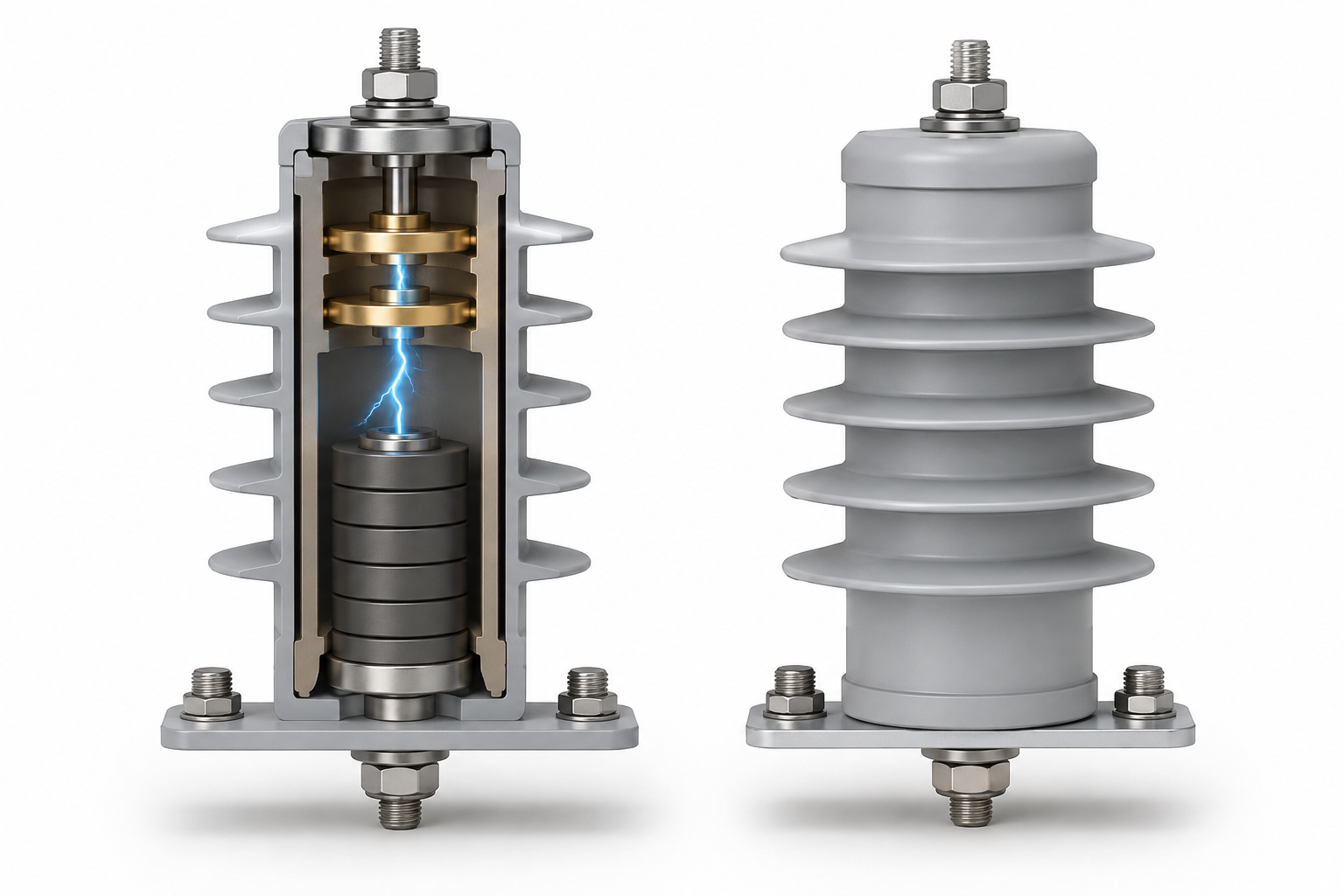
A valve-type arrester uses series spark gaps combined with silicon carbide (SiC) blocks. Under normal operating voltage, the gaps stay open, blocking current flow.When a surge hits, the gaps break down (spark over), allowing the SiC blocks to conduct the surge current to ground. Once the surge passes, the gaps need to interrupt the follow current from the system before returning to their non-conducting state.
This gap-based design was the industry standard for decades, but it comes with inherent limitations: the response isn’t instantaneous, since the gap has to spark over first, and the mechanical gap components are subject to wear over time.
How Does a Metal Oxide (ZnO) Lightning Arrester Work?
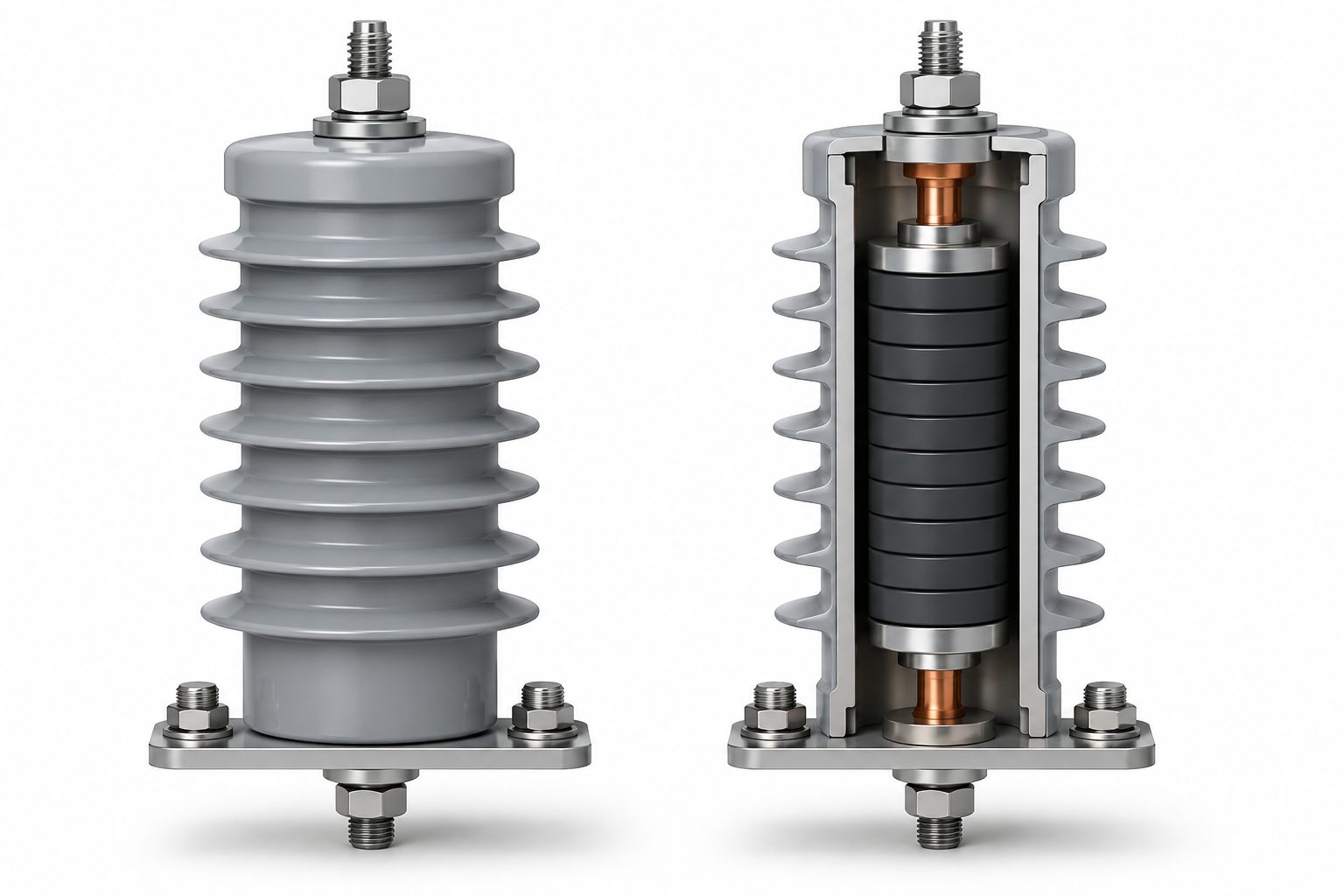
Metal oxide arresters use zinc oxide (ZnO) blocks with highly non-linear resistance, and critically, they don’t need spark gaps at all. At normal system voltage, the ZnO blocks present very high resistance, allowing only a tiny leakage current to pass. The moment voltage rises during a surge, the resistance drops sharply, letting the surge current flow to ground almost instantly.
Why Gapless Design Matters
Without a gap to spark over first, ZnO arresters respond faster and offer a lower protective level, meaning connected equipment sees less voltage stress during a surge event. This is one of the main reasons ZnO has become the preferred technology across most new installations.
Explore LES Ecotonik’s Lightning Arrester Manufacturer solutions in Pune for ZnO-based protection systems designed for industrial and commercial projects.
Valve Type vs ZnO: Key Differences at a Glance
| Factor | Valve Type (Gapped SiC) | Metal Oxide (ZnO, Gapless) |
|---|---|---|
| Response time | Slower — depends on gap spark-over | Faster — near-instant resistance drop |
| Protection level | Higher residual voltage | Lower residual voltage |
| Moving/mechanical parts | Yes (spark gaps) | No |
| Maintenance needs | Higher, due to gap wear | Lower |
| Typical use today | Legacy/older installations | New industrial, commercial, and residential projects |
| Size and footprint | Generally bulkier | More compact |
Which One Should You Choose for Your Pune Project?
For New Industrial and Commercial Installations
ZnO arresters are the clear choice. Faster response, lower protective level, and less maintenance make them better suited to protecting sensitive modern electrical and electronic equipment, which is increasingly the norm in industrial parks and commercial developments across Pune.
For Legacy System Upgrades
If you’re maintaining or upgrading an older installation that currently uses valve-type arresters, it’s worth evaluating whether a switch to ZnO makes sense, especially if the existing gapped units are aging or showing signs of wear. In most cases, upgrading improves protection without requiring a full system redesign.
For Residential and Small Commercial Setups
ZnO arresters are typically preferred here too, mainly due to their compact size and lower maintenance requirements — practical advantages for smaller installations where space and upkeep matter more.
Frequently Asked Questions
Pricing varies by manufacturer and rating, but ZnO arresters are the dominant choice in new installations largely because their lower maintenance needs and better performance offset any difference in upfront cost over the arrester’s lifespan.
Technically yes, but most modern electrical codes and project specifications favor metal oxide arresters due to their superior response time and lower protection level, making valve type an increasingly rare choice for new work.
Valve type arresters typically have a visibly larger housing to accommodate the internal spark gap assembly, while ZnO arresters are more compact. Checking the manufacturer’s nameplate or datasheet is the most reliable way to confirm.
No, that’s the defining feature of metal oxide arresters. The ZnO blocks themselves provide the non-linear resistance needed to block normal voltage and conduct surge current, eliminating the need for a mechanical gap.
Choosing the Right Arrester Technology for Pune
For most new projects in Pune, whether industrial, commercial, or residential, metal oxide (ZnO) arresters offer clear advantages over older valve-type technology: faster response, lower protection level, and less maintenance over the system’s lifetime. Valve-type arresters still exist in legacy installations, but they’re increasingly the exception rather than the standard.
LES Ecotonik System has been manufacturing lightning arresters and protection systems for industrial, commercial, and residential clients, with ISO-certified production and compliance with IEC 62305 standards.
Not sure which arrester technology fits your Pune project? Get in touch with LES Ecotonik System for the right recommendation based on your site and equipment needs.
What are the Benefits of Using a Local Surge Protection Device Manufacturer in Ahmedabad for Solar Parks?
Published:August:3,2026 8Min Read
What are the Benefits of Using a Local Surge Protection Device Manufacturer in Ahmedabad for Solar Parks?
Quick Answer
Working with a local surge protection device manufacturer in Ahmedabad gives Gujarat solar developers faster delivery, SPDs engineered for local grid and weather conditions, easier on-site technical support, lower logistics costs, and quicker compliance with IEC and CPRI testing standards, reducing downtime and equipment loss across solar parks.
Introduction
Gujarat has become one of India’s fastest-growing solar hubs, with large-scale parks in Charanka, Dholera, Kutch, and across the Ahmedabad-Gandhinagar belt feeding thousands of megawatts into the grid. As solar infrastructure expands, LES Ecotonik System, a leading Surge Protection Device manufacturer in Ahmedabad, is helping developers protect critical electrical assets from lightning-induced surges and switching transients. For EPC contractors and asset owners, the question isn’t whether surge protection is needed; it’s who should supply it.
Why Solar Parks in Gujarat Need Reliable Surge Protection
Gujarat’s Exposure to Lightning and Voltage Transients
Solar parks are built on flat, open land with rows of metal-framed panels and long DC/AC cable runs, exactly the conditions that attract direct and induced lightning strikes. Gujarat’s pre-monsoon thunderstorms and coastal weather patterns near Kutch and Saurashtra add to this risk, while grid-side switching and load fluctuations create additional transient surges unrelated to weather.
What Gets Damaged When Surge Protection Fails
Without properly rated Surge Protective Devices (SPDs), a single transient event can damage string inverters, central inverters, SCADA and monitoring systems, combiner boxes, and even panel bypass diodes. Repair and replacement of inverters alone can halt generation for days, directly hitting a plant’s PLF (Plant Load Factor) and revenue.
Key Benefits of Choosing a Local Surge Protection Device Manufacturer in Ahmedabad
Faster Delivery and Reduced Project Downtime
Solar EPC timelines are tight, and commissioning delays are expensive. A manufacturer based in Ahmedabad can dispatch DC and AC SPDs within days rather than weeks, and replace a damaged unit during the O&M phase without the plant losing generation time waiting on an interstate or international shipment.
SPDs Engineered for Local Grid and Site Conditions
Voltage fluctuation patterns, soil resistivity, and grid stability vary by region. A manufacturer with direct experience supplying Gujarat’s solar corridor understands local DISCOM grid behavior and can recommend the appropriate SPD class (Type 1, Type 2, or combined Type 1+2) and the discharge current rating for each site, rather than offering a generic one-size-fits-all product.
Easier On-Site Technical Support and Maintenance
SPDs need periodic inspection, and their status indicators need to be checked after every major storm season. A local manufacturer can send technicians for site visits, commissioning support, and warranty service far more easily than a company operating from another state or country — a meaningful advantage for O&M teams managing multiple sites across Gujarat.
Lower Logistics Costs and Import Duties
Importing SPDs adds freight charges, customs duties, and currency risk to project budgets. Sourcing locally in Ahmedabad removes these costs and shortens the supply chain, which matters on utility-scale projects where thousands of SPD units are required across combiner boxes and inverter stations.
Faster Compliance and Documentation
Solar projects require test certificates and compliance documentation for IEC 61643 and, for Indian projects, CPRI-tested products. A local manufacturer can typically provide these documents faster and coordinate directly with project consultants, easing the approval process during plant commissioning and insurance audits.
What to Look for in a Surge Protection Device Manufacturer
Certifications and Testing
Confirm the manufacturer’s SPDs are tested to IEC 61643 standards and, where applicable, CPRI-approved for the Indian market. ISO 9001, 14001, and 45001 certifications also indicate consistent manufacturing quality and safety practices.
Product Range for Solar Applications
A capable manufacturer should offer DC-rated SPDs for the panel and combiner-box side, AC-rated SPDs for inverter and grid-interconnection points, and coordinated Type 1+2 protection for sites with direct lightning exposure.
Experience with Solar EPC Projects
Ask for references from completed solar park installations, not just general industrial or residential surge protection work. Solar-specific experience means the manufacturer already understands string configurations, DC arc risks, and inverter protection requirements.
How LES Ecotonik Systems Supports Solar Developers in Ahmedabad
LES Ecotonik Systems has been manufacturing lightning and surge protection solutions since 2005, with ISO 9001, 14001, and 45001 certification and CPRI-tested products. Our Surge Protective Devices range includes DC and AC SPDs suited to solar park combiner boxes, inverter rooms, and substation interconnection points, backed by local technical support for developers working across Gujarat, including surge protection in the Ahmedabad region.
People Also Ask
Most solar plants need a combination of DC-rated SPDs at combiner boxes and Type 1+2 AC-rated SPDs near inverters and grid interconnection points, sized to the site’s lightning exposure and cable lengths.
Solar farms sit on open land with extensive metal framing and long cable runs, making them more exposed to direct and induced lightning surges than typical rooftop or indoor installations.
SPDs should be visually inspected after every major storm and checked during scheduled O&M visits; most manufacturers recommend replacement after a confirmed surge event or per the status indicator on the device.
Yes, IEC 61643 governs SPD performance and testing globally, and Indian solar projects typically also require CPRI test certification for local compliance.
Conclusion
For solar developers building or maintaining parks across Gujarat, the manufacturer behind your surge protection system matters as much as the product itself. A local surge protection device manufacturer in Ahmedabad offers faster delivery, site-appropriate SPD design, easier on-site support, and lower total project cost, advantages that directly protect uptime and long-term plant performance.
Planning surge protection for a solar park in Gujarat?
Talk to LES Ecotonik Systems for CPRI-tested SPDs engineered for solar applications, with local delivery and technical support across Ahmedabad.
How to Protect Data Centers and IT Parks in Pune from Power Surges and Lightning Damage
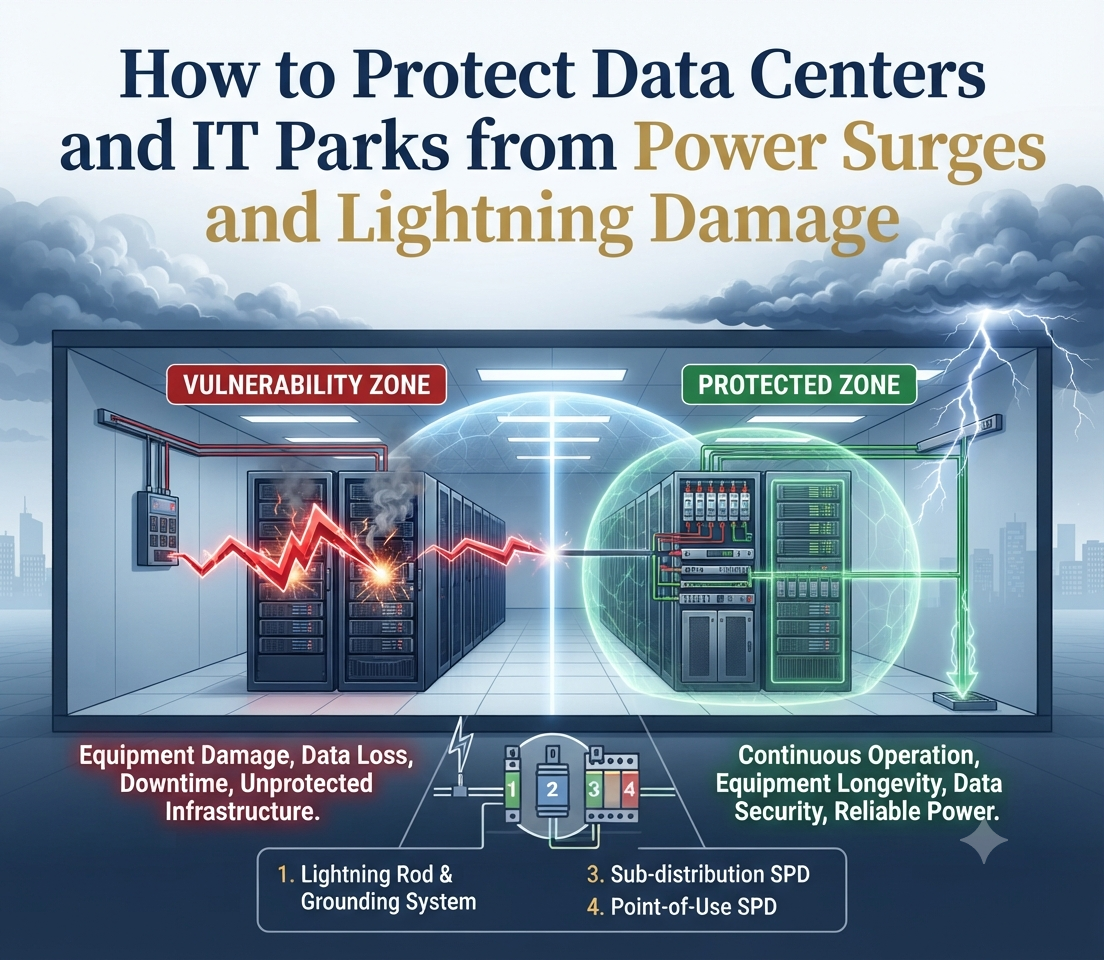
How to Protect Data Centers and IT Parks in Pune from Power Surges and Lightning Damage
Pune has grown into one of India’s biggest technology hubs, home to countless data centers, IT parks, and business campuses. With this growth comes a serious challenge that many facility managers overlook until it is too late: power surges and lightning strikes. A single surge event can damage servers, corrupt data, and bring operations to a halt for hours or even days. This is why choosing the right Surge Protection Device Manufacturer in Pune is not just a technical decision, it is a business continuity decision.
Why Data Centers in Pune Are at Risk
Pune experiences heavy monsoon activity along with frequent thunderstorms during the transition seasons. IT parks located on the outskirts of the city, near open land or elevated areas, face a higher exposure to atmospheric discharges. Add to this the dense concentration of electronic equipment inside server rooms, and you have an environment where even a small voltage spike can cause massive financial loss.
Common causes of surges in Pune’s business districts include:
- Direct or nearby lightning strikes hitting rooftop equipment or overhead lines
- Grid switching operations by the utility provider
- Faulty transformers or unstable voltage from the local supply network
- Internal switching of large motors, UPS systems, or HVAC units
- Poor or aging earthing infrastructure that fails to dissipate fault current safely
The Real Cost of Ignoring Surge Protection
Many facility owners assume that a UPS system alone is enough protection. This is a costly misunderstanding. A UPS manages power continuity, but it does not stop a transient voltage spike from entering sensitive circuits. Once a surge reaches servers, networking racks, or building management systems, the damage is often instant and irreversible.
The consequences can include:
- Complete server hardware failure requiring expensive replacement
- Loss of critical business data and customer records
- Extended downtime that affects service level agreements with clients
- Fire hazards caused by overheated or damaged wiring
- Increased insurance premiums following repeated equipment claims
How LES Ecotonik Systems Helps Protect Pune’s IT Infrastructure
At LES Ecotonik Systems, we design surge protection solutions specifically suited for high density electrical environments like data centers and IT parks. Our products are engineered to intercept transient voltages before they reach sensitive equipment, redirecting excess energy safely to earth.
As a trusted Surge Protection Device Manufacturer in Pune, LES Ecotonik Systems offers a layered protection approach that includes:
- Type 1 surge protection devices installed at the main incoming panel to handle direct lightning energy
- Type 2 devices at distribution boards to manage residual surges
- Type 3 point of use protection for critical servers, networking equipment, and control panels
- Coordinated protection design that ensures every stage works together without gaps
You can explore our complete range on our Surge Protective Devices page, where each product is built to meet international performance standards.
Steps IT Parks in Pune Should Take Today
- Conduct a risk assessment of the facility, identifying entry points for surges such as power lines, data lines, and antenna cables.
- Install a tiered surge protection system rather than relying on a single device.
- Pair surge protection with a solid earthing and bonding network, since surge devices are only as effective as the earth path they rely on.
- Schedule periodic testing and maintenance, since surge protection devices absorb energy over time and need inspection.
- Work with an experienced team that understands local weather patterns and grid behavior in Pune.
Why Choose a Local, Experienced Manufacturer
Working with a Surge Protection Device Manufacturer in Pune that understands the region’s climate and grid characteristics gives facility managers a real advantage. LES Ecotonik Systems has been active in the lightning and surge protection industry since 2005, supporting projects across data centers, manufacturing plants, telecom towers, and commercial complexes. Our team assists clients from the initial site assessment right through to installation and after sales support.
Some of the reasons IT parks and data center operators in Pune prefer working with a local, experienced manufacturer include:
- Faster response time for site visits, testing, and emergency support
- Better understanding of local voltage fluctuation patterns and grid quality
- Ability to source spare parts and replacement modules without long delays
- Familiarity with local building codes and electrical safety requirements
- Long term relationship building that supports future expansion of the facility
Ongoing Maintenance Keeps Protection Effective
Surge protection is not a one time installation. Devices absorb energy every time they operate, and over years of service, their performance can degrade. IT parks in Pune should build a maintenance schedule that includes:
- Visual inspection of surge protection devices for status indicators showing wear
- Periodic replacement of protection modules once they reach end of life
- Testing of earth resistance values, since surge protection performance depends heavily on a low resistance earth path
- Documentation of maintenance history for audit and insurance purposes
- Review of the protection scheme whenever new equipment or expansion is added to the facility
Conclusion
Power surges and lightning strikes are not rare events in Pune, they are a recurring seasonal risk that every IT park and data center must plan for. Relying only on a UPS or basic circuit breakers leaves critical infrastructure exposed. By partnering with an experienced Surge Protection Device Manufacturer in Pune like LES Ecotonik Systems, businesses can protect their equipment, safeguard their data, and avoid costly downtime.
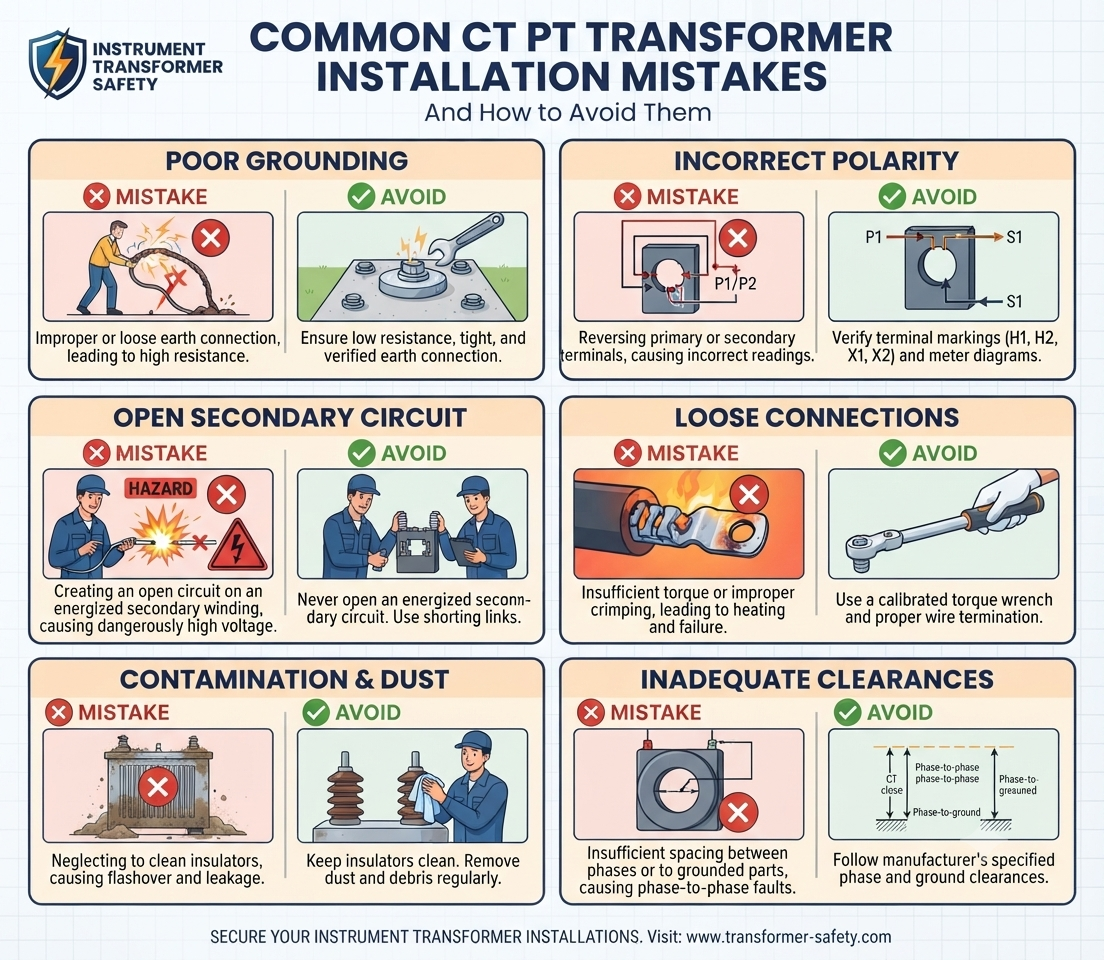
Common CT PT Transformer Installation Mistakes and How to Avoid Them
Top 10 Benefits of Proper Earthing and Bonding for Industrial Facilities
Introduction
Current transformers and potential transformers form the backbone of accurate metering and reliable protection in any electrical network. These units are small in size but carry enormous responsibility, since every relay trip decision and every billing reading depends on the values they report. When installation goes wrong, the consequences are rarely visible right away. They surface weeks or months later as nuisance tripping, inaccurate bills, or a protection system that fails silently during a real fault. As an experienced CT PT Transformer Manufacturer, LES Ecotonik Systems has worked with panel builders, electrical contractors, and substation teams across India, and the same handful of installation errors keep showing up on site visits.
What Earthing and Bonding Actually Do
Why Installation Quality Cannot Be an Afterthought
A CT or PT is only as good as the way it is wired, mounted, and earthed. Getting it right the first time saves site teams from repeated call backs, failed audits, and costly downtime later.
Mistake 1: Mixing Up Polarity Markings
Every CT and PT has clearly marked polarity terminals, usually labeled P1, P2, S1, and S2. When these are connected in the wrong sequence, protection relays receive a distorted picture of current direction. During an actual fault, this can mean the relay looks the other way instead of tripping, or it trips when nothing is wrong.
- Double check polarity marks against the manufacturer nameplate before wiring
- Use a dedicated polarity tester before the system is energized
- Never assume terminal position based on habit from a different transformer brand
Mistake 2: Energizing a CT With Its Secondary Left Open
This is one of the most dangerous mistakes on any site. A current transformer is designed to always have a closed secondary loop. If the secondary circuit is opened while the primary is still carrying current, the CT can generate voltage high enough to injure a technician or damage the insulation permanently.
- Always place a shorting link across the secondary terminals before disconnecting any meter or relay
- Keep dedicated shorting blocks on hand at every panel where CTs are installed
- Brief every technician on this rule before they are allowed to touch CT wiring
Mistake 3: Weak or Missing Earthing on the Transformer Body
CT and PT bodies must be earthed independently from their secondary circuit earth point. Skipping this step, or bonding it incorrectly, creates two problems at once. It leaves a shock hazard on the metal casing, and it introduces measurement drift because the reference potential is no longer stable.
- Provide a separate, dedicated earth connection for the transformer body
- Confirm a single earthing reference point is used to avoid circulating currents between multiple grounds
- Verify earth continuity with a proper test before the panel is commissioned
Mistake 4: Picking the Wrong Ratio or Accuracy Class
A transformer selected without matching the actual load profile leads to two very different but equally costly outcomes. An undersized ratio saturates during fault conditions and blinds the protection scheme exactly when it is needed most. An oversized ratio gives poor resolution at normal load, which shows up as inaccurate billing over time.
- Study the expected load current and fault current before finalizing the ratio
- Match the accuracy class to the actual use case, since metering and protection have different requirements
- Involve your CT PT Transformer Manufacturer at the design stage instead of after procurement is already finalized
Mistake 5: Careless Mounting and Ignoring Vibration
Transformers installed near large motors, compressors, or heavy switchgear experience continuous low level vibration. Over months, this loosens terminal screws and mounting brackets, creating intermittent faults that are notoriously hard to trace back to their source.
- Follow the mounting orientation and torque values specified by the manufacturer
- Add vibration dampening supports in areas close to rotating machinery
- Schedule a physical check of mounting hardware during every routine maintenance visit
Mistake 6: Rushing Through or Skipping Commissioning Tests
Under project deadline pressure, some teams treat commissioning tests as optional paperwork rather than a genuine verification step. This is where hidden wiring errors and insulation weaknesses should be caught, before the system goes live and a fault exposes them the hard way.
- Run ratio tests, polarity checks, and insulation resistance tests as a mandatory step, not an optional one
- Keep signed test records on file for every unit installed
- Repeat key tests periodically as part of an ongoing maintenance calendar
Mistake 7: Overloading the Secondary Circuit Beyond Its Burden Rating
Every CT is rated for a maximum burden, meaning the total load its secondary circuit can safely support without accuracy loss. Connecting too many meters and relays to one CT, or running excessively long secondary cables, quietly pushes the burden past its design limit.
- Calculate the total connected burden, including the resistance added by long cable runs
- Select a CT with burden capacity that comfortably covers the intended application
- Keep secondary wiring as short and direct as the installation allows
How LES Ecotonik Systems Supports Correct Installation
LES Ecotonik Systems does not stop at delivering a transformer to site. As a trusted CT PT Transformer Manufacturer, our technical team works alongside panel builders and electrical contractors to review wiring diagrams, confirm ratio and burden selection, and guide commissioning tests so that every installation performs exactly as designed from day one.
Conclusion
Most CT and PT related failures in the field are not caused by faulty equipment. They come from small installation shortcuts that seemed harmless at the time. Reversed polarity, an open secondary, weak earthing, a mismatched ratio, loose mounting, skipped tests, and an overloaded burden are all avoidable with a careful, disciplined installation process. As a dependable CT PT Transformer Manufacturer, LES Ecotonik Systems is ready to guide your team through selection, installation, and testing so your metering and protection systems stay accurate and safe for years to come.
Top 10 Benefits of Proper Earthing and Bonding for Industrial Facilities
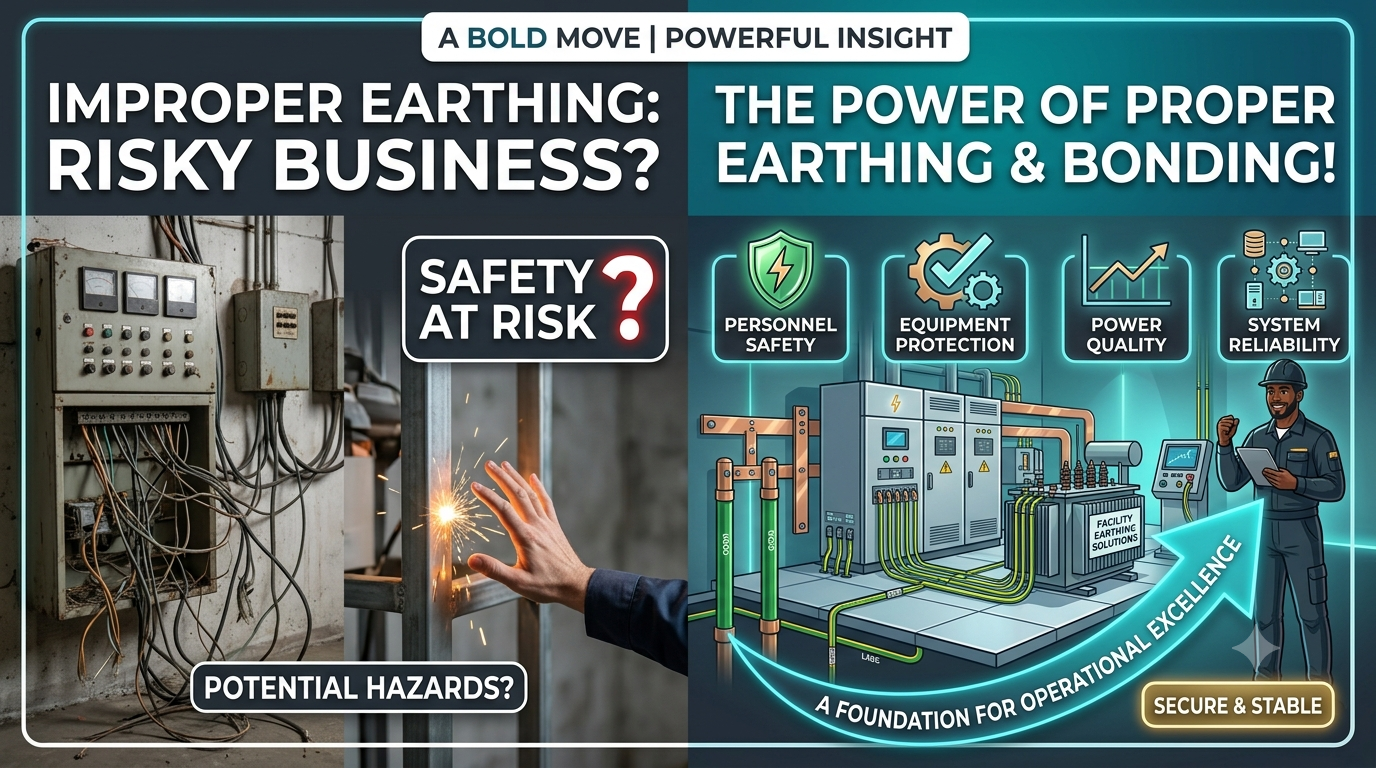
Top 10 Benefits of Proper Earthing and Bonding for Industrial Facilities
Introduction
Every industrial facility depends on a stable and safe electrical system, and at the heart of that safety lies one often underestimated component: earthing and bonding. Without a correctly designed earthing system, even the most advanced machinery and protection devices cannot function reliably. As a leading Earthing and Bonding Manufacturer in Bhubaneswar, LES Ecotonik Systems works closely with manufacturing plants, refineries, and processing units to build earthing systems that stand the test of time.
What Earthing and Bonding Actually Do
Earthing provides a safe path for fault current to travel into the ground, while bonding connects all metallic parts of a structure so they remain at the same electrical potential. Together, these two systems prevent electric shock, reduce fire risk, and protect equipment from voltage imbalances. For industrial units in Bhubaneswar, where humidity, soil resistivity, and coastal weather patterns vary significantly, a properly engineered earthing design is essential.
Top 10 Benefits for Industrial Facilities
- Protection of Human Life:A correctly bonded system ensures that exposed metal parts never carry dangerous voltage, protecting workers from accidental electric shock during equipment failure.
- Reduced Equipment Damage: When fault current has a clear and low-resistance path to earth, sensitive machinery and control panels are far less likely to suffer internal damage during electrical faults.
- Improved Surge Protection Performance: Surge protection devices can only perform well when connected to a low-resistance earth. Without solid earthing, even the best surge arrester will underperform.
- Fire Risk Reduction:Uncontrolled fault currents generate heat. A proper earthing and bonding network channels this energy safely away, lowering the chance of electrical fires in production areas.
- Stable Voltage Reference:Bonding keeps all connected equipment at the same potential, preventing dangerous voltage differences between machines, structures, and piping systems.
- Compliance with National Standards: Facilities that follow IS 3043 and related earthing standards avoid regulatory penalties and pass safety audits with confidence.
- Lower Insurance and Liability Risk: Insurers often review electrical safety documentation before issuing industrial policies. A verified earthing system can support better terms and fewer disputes during claims.
- Extended Equipment Lifespan:Motors, transformers, and control systems experience less electrical stress when earthing resistance is kept within recommended limits, extending their operational life.
- Better Performance of Sensitive Electronics: PLCs, sensors, and automation systems are highly sensitive to electrical noise. Correct bonding minimizes interference and supports accurate, stable operation.
- Protection During Lightning Events: A well-designed earthing network works alongside lightning protection systems to safely dissipate strike energy, reducing the risk of catastrophic damage to structures and equipment.
Common Earthing Mistakes Seen in Industrial Plants
- Using undersized earth electrodes that cannot handle actual fault currents
- Ignoring soil resistivity testing before installation
- Failing to bond metallic pipework, ladders, and structural steel
- Skipping periodic earth resistance testing after installation
- Mixing incompatible metals, which leads to corrosion over time
How LES Ecotonik Systems Supports Industrial Clients in Bhubaneswar
As an established Earthing and Bonding Manufacturer in Bhubaneswar, LES Ecotonik Systems(Link: Home page) provides complete earthing solutions including chemical earth electrodes, earthing strips, exothermic welding for permanent connections, and full bonding networks designed for industrial environments. Our engineers begin every project with a soil resistivity study, ensuring the system is designed around actual site conditions rather than generic assumptions.
Designing an Earthing System That Lasts
A durable earthing system is built on more than just correct sizing; it depends on the right materials and installation practices suited to local ground conditions. Facilities in Bhubaneswar should consider the following when planning a new system or upgrading an existing one:
- Selecting corrosion-resistant materials suited to local soil chemistry and moisture levels
- Using chemical earth electrodes in areas where soil resistivity is naturally high
- Installing multiple earth pits connected in parallel to reduce overall resistance
- Keeping earth pits away from underground pipelines or foundations to avoid interference
- Maintaining clear documentation of pit locations and resistance readings for future reference
Getting Started
Industrial facility owners in Bhubaneswar looking to upgrade or install a new earthing system should start with a professional site assessment. Our team at LES Ecotonik Systems can visit your facility, test soil conditions, and recommend the right combination of electrodes, conductors, and bonding points.
Conclusion
Earthing and bonding are not optional add-ons; they are the foundation of electrical safety in any industrial facility. From protecting workers to extending equipment life and supporting surge protection performance, the benefits are too significant to ignore. As a dependable Earthing and Bonding Manufacturer in Bhubaneswar, LES Ecotonik Systems is ready to help your facility build a safer, more reliable electrical environment.