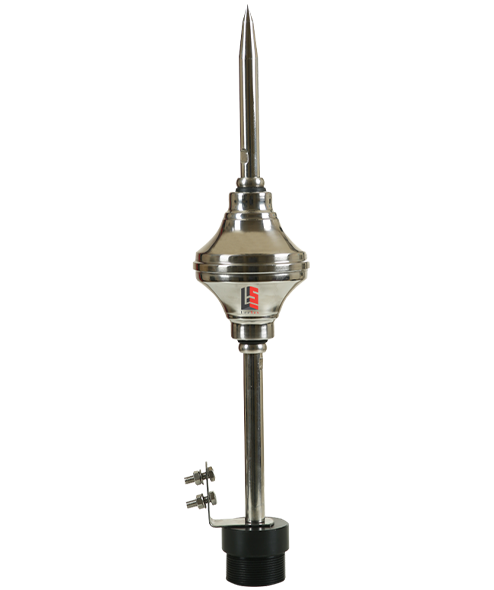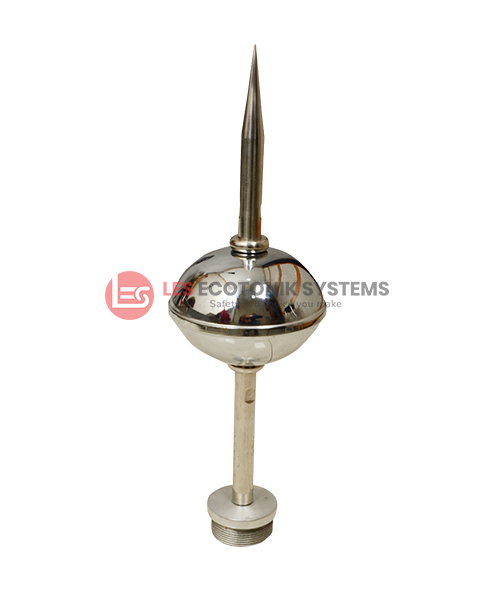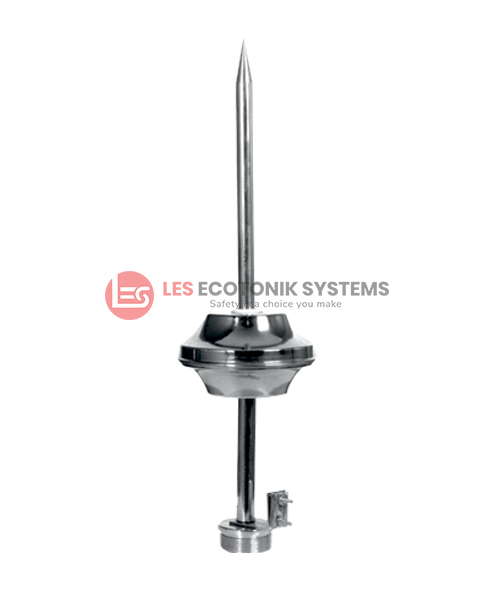
Growing Uses of Lightning Arresters in Modern Industry

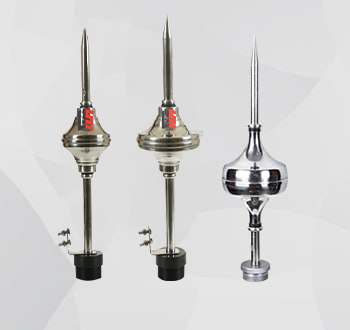
Lightning Arrester manufacturer in Hyderabad

Growing Uses of Lightning Arresters in Modern Industry

Lightning arresters have evolved from basic safety devices into sophisticated guardians of industrial infrastructure, protecting against devastating surges in an era of escalating electrical demands. As industries digitize and expand, their role in preventing downtime, equipment failure, and safety hazards has surged, making them indispensable across sectors.

Why Lightning Protection Matters Now

Modern industries face intensified lightning risks due to sprawling facilities, taller structures, and reliance on sensitive electronics. These devices divert high-voltage strikes safely to ground, using technologies like metal-oxide varistors (MOVs) that activate in microseconds to clamp surges without disrupting power flow. In storm-prone regions, unprotected systems suffer up to 30% more failures, amplifying costs from repairs and lost production.

Global electrification trends, including renewable integration and smart grids, heighten vulnerability to transient overvoltages. Industries now prioritize layered protection—arresters at entry points, panels, and endpoints—to ensure resilience, with studies showing 20–25% downtime reductions post-installation.

Power Sector Transformations

In power substations and transmission lines, lightning arresters shield transformers and insulators from direct strikes and induced surges. Strategic placement at overhead lines and switchyards prevents cascading blackouts, vital as grids incorporate solar farms and wind turbines prone to voltage spikes. Advanced models with real-time monitoring predict degradation, enabling proactive swaps and cutting outage risks by 30% in high-exposure zones.

Utilities report fewer flashovers during monsoons, sustaining supply to factories and cities. This reliability supports India’s push for 500 GW renewable capacity by 2030, where arresters ensure stable integration without grid instability.

Manufacturing Resilience Boost

Factories housing CNC machines, robotics, and PLC controls deploy arresters to safeguard against surges that halt assembly lines. In automotive and electronics plants, they protect multimillion-rupee setups, with implementations yielding 25% fewer surge-induced breakdowns. Indoor variants at distribution boards filter switching transients, common during motor startups.

Chemical and textile mills in humid climates benefit most, as arresters integrate with surge protective devices (SPDs) for multi-stage defense. This setup minimizes fire ignition from arcing, enhancing worker safety and compliance with IEC standards.

Data Centers and Telecom Surge

Hyperscale data centers demand unwavering uptime, where even brief surges erase data or fry servers. Arresters at UPS inputs and PDUs absorb lightning energy, reducing unplanned outages by 15–20% per industry benchmarks. Telecom towers, with antennas acting as strike magnets, use them alongside down-conductors to protect base stations and fiber optics.

Edge computing growth amplifies needs, as remote nodes in industrial IoT face rural storm exposure. Polymer-housed arresters withstand pollution, offering 25+ year lifespans and remote diagnostics via IoT for zero-touch maintenance.

Infrastructure and Transportation Safeguards

Airports, railways, and ports install arresters on signaling, runway lights, and control towers to avert disruptions. Lightning-induced rail faults delay millions annually; modern systems with early streamer emission (ESE) tech initiate upward leaders faster, broadening protection zones. Metro rail networks in cities like Hyderabad exemplify this, integrating arresters with grounding grids for fault-free operations.

Bridges and EV charging stations emerge as hotspots, where arresters counter vehicle-induced surges alongside atmospheric ones. This fortifies smart city visions, ensuring EV infrastructure reliability amid electrification booms.

Renewable Energy Frontier

Solar farms and wind turbines atop hills invite strikes, damaging inverters and panels costing crores. Arresters at DC-AC junctions mitigate backfeeds, with Type 1+2 hybrids handling 100kA surges per phase. Offshore wind demands corrosion-resistant models, extending asset life by decades.

Hybrid microgrids for remote industries blend these protections seamlessly. As India targets net-zero, arresters enable safer green transitions, slashing insurance premiums through proven strike diversion.

Oil, Gas, and Heavy Industries

Petrochemical refineries zone arresters across flammable zones to prevent spark-ignited blasts. In explosive atmospheres, intrinsically safe designs comply with ATEX/IECEx, channeling energy sans residue. Mining operations protect draglines and crushers, where downtime equals massive revenue hits.

Steel mills with arc furnaces integrate high-energy arresters, filtering melt-shop transients. These sectors see ROI via halved repair cycles, underscoring arresters’ pivot to predictive, zoned defense.

Smart City and EV Evolution

Urban skyscrapers and EV hubs deploy networked arresters syncing with building management systems (BMS). They forecast strikes via weather APIs, auto-isolating loads preemptively. Rapid charger arrays, drawing mega-amperes, pair arresters with filters to avert grid feedback.

This convergence supports sustainable urbanization, protecting 5G nodes and autonomous vehicles from EMP-like effects.

Lightning Arrester Manufacturer in Hyderabad: LES Ecotonik System Excellence

For Hyderabad’s booming industries, LES Ecotonik System stands as the Lightning Arrester Manufacturer in Hyderabad crafting arresters with precision-engineered MOV stacks for superior surge handling. Their solutions blend global standards with local storm resilience, ideal for Telangana’s variable weather.

Top Industrial Lightning Arrester Suppliers in Hyderabad

Among Top industrial lightning arrester suppliers in Hyderabad, LES Ecotonik System delivers bulk-ready stocks with customization for substations and factories. Their logistics ensure 48-hour deployments, minimizing project delays.

Trusted Lightning Protection Equipment Manufacturers in Hyderabad

LES Ecotonik System earns its spot as Trusted lightning protection equipment manufacturers in Hyderabad through IS/IEC-certified testing and field-proven durability. Clients praise their end-to-end audits, from site surveys to commissioning.

Premium Surge Protection System Manufacturers in Hyderabad

As Premium surge protection system manufacturers in Hyderabad, LES Ecotonik System offers hybrid SPDs integrating arresters for 360° defense, tailored for data centers and renewables. Their MOV tech handles repetitive strikes without degradation.

Professional Lightning Rod Suppliers for Industries in Hyderabad

LES Ecotonik System excels as Professional lightning rod suppliers for industries in Hyderabad, providing ESE and conventional rods with copper-bonded downleads. Heavy-duty mounts suit petrochemicals and ports.

Advanced Lightning Protection Solutions Providers in Hyderabad

Leading as Advanced lightning protection solutions providers in Hyderabad, LES Ecotonik System incorporates IoT monitoring for arresters, alerting via apps on leakage currents. This predictive edge suits smart factories.

Conclusion

Lightning arresters’ growing uses underscore their shift from reactive shields to proactive, smart sentinels in modern industry, driving efficiency and safety amid digital and green shifts. Partnering with innovators like LES Ecotonik System ensures Hyderabad industries stay ahead, fortified against nature’s fury. Embrace these solutions today for resilient operations tomorrow.

Integrated Electrical Safety: From Lightning Arresters to Grounding

Best Lightning Arrester Manufacturer in Hyderabad

Integrated Electrical Safety: From Lightning Arresters to Grounding

Introduction

In 2026, electrical safety in factories can’t be thought of as just separate parts. Today’s power grids are quicker, more sensitive, and more connected than they used to be. This makes them open to damage from both weather and issues inside the system. To really protect these grids, we need to think about electrical safety as a whole—a system where everything works together perfectly. This includes everything from the equipment on the roof to what’s buried underground. For those in charge of buildings in Gurgaon, Hyderabad, and Chennai, it’s not enough to just have a lightning rod. They need to consider how that rod shares data with the surge protectors and grounding system to handle 200,000 amps of electricity almost instantly.

LES (Lightning & Earthing Solutions) is a top maker of lightning arresters and we concentrate on this complete way of thinking. We believe that a system is only as good as its worst part. Even the best lightning rod won’t help if the grounding pit has high resistance. The electricity will go back into the building and damage the electronics you’re trying to keep safe. This blog looks at what happens when lightning strikes, from when it first hits to when it’s suppressed and safely dissipated.

The Three Pillars of Integrated Safety

To have total protection from lightning in cities like Pune or Bengaluru, a good system should have three layers:

Outer Protection (The Shield)

This is the first defense. As a top lightning arrestor maker in Gurgaon, we use Early Streamer Emission (ESE) tech to catch the lightning away from buildings. This stops lightning from hitting the building.

Inner Protection (The Filter)

Even if the lightning rod works well, the strike makes a big Electromagnetic Pulse (EMP), which causes power surges in power lines close by. Surge Protection Devices (SPDs) then act as a second protection, stopping voltage increases from reaching servers or PLCs.

Grounding (The Drain)

This is where the energy leaves. As an earthing maker, we make sure the current has low resistance when it goes into the ground. This keeps people safe and prevents electric shock hazards.

Localized Challenges in 2026 India

India’s varied geography means that a one-size-fits-all approach won’t work. What’s good for a lightning protection company in Jaipur might not be good enough for one in Kolkata.

Coastal Issues (Mumbai & Chennai)

Near the sea, salty air can rust outdoor arresters, and high humidity can damage indoor surge protection devices. Here, a good system uses stainless steel arresters made for marine environments and sealed SPDs to keep the whole safety system rust-free and working well.

Grounding issues (Jaipur & Nagpur)

In dry, rocky areas, it’s hard to get good grounding. Our system uses early streamer emission terminals with chemical earthing and ground enhancement materials to keep a low-resistance path to ground, even in dry soil.

City problems (Bengaluru & Delhi)

In busy tech parks, a lightning strike on one building can affect others through shared power grids. A complete safety plan here includes careful bonding between buildings to keep them all at the same electrical potential and prevent side flashes.

Why Integration is the Future of Safety

In 2026, the increasing complexity of our infrastructure, including 5G towers and EV charging stations, means a fragmented safety approach is risky. Partnering with a lightning arrester manufacturer that knows electrical physics ensures your investment can withstand strikes.

If you need a lightning arrester manufacturer in Hyderabad or an earthing expert in Pune, LES offers the engineering to weather the storm. We offer more than parts; we guarantee that your work stands strong, even during severe weather.

The Success Loop: How Interception and Grounding Sync

A great lightning arrester maker in Hyderabad or Bengaluru really knows how to handle impedance. Many think only the lightning rod matters, but the cable and earth pit are just as important.

Least Resistance Path

When our ESE terminal catches a strike, the energy needs to flow down the building. If the cable has sharp turns or bad links, the lightning might jump to the building’s wiring. LES Ecotonik System makes sure there is a straight path with low impedance.

The Dissipation Zone

When the energy gets to the ground, the earthing system has to soak it up. As an earthing and bonding maker, we use special backfill mixes that grow the rod’s electrical footprint, so the soil can take in the big current without a dangerous rise in voltage near people.

Conclusion: The Power of a Unified Defense

In today’s electrical systems, just installing something and assuming it’s safe isn’t enough. A great air terminal isn’t worth much if the grounding is bad, and strong machinery needs good surge protection to be safe. The best way to protect your infrastructure, equipment, and team is to switch from a scattered approach to a complete electrical safety strategy.

If you go with an integrated solution from a top Lightning Arrester maker, you get rid of any weak spots in your safety plan. Whether you run a tall building in Gurgaon, a data center in Hyderabad, or a factory in Pune, Lightning & Earthing Solutions can give you the coordinated engineering you need to turn a wild lightning strike into something harmless and managed. As a trusted Lightning Arrester manufacturer in Hyderabad we deliver advanced protection systems designed to safeguard commercial, industrial, and high-rise structures with complete reliability and compliance.

Accuracy Classes of CT PT Transformers Explained

Leading CT PT Transformer Manufacturer & Supplier in Delhi

Accuracy Classes of CT PT Transformers Explained

Current Transformers (CTs) and Potential Transformers (PTs) are the backbone of modern electrical measurement and protection systems. Their primary role is to step down high currents and voltages to safe, measurable levels while maintaining accuracy. Among the many technical parameters that define their performance, accuracy class is one of the most critical.

Understanding accuracy classes helps engineers, utilities, and industrial users select the right transformer for metering, protection, and monitoring. This article breaks down accuracy classes in a clear, structured way, explaining what they mean, why they matter, and how they impact real-world electrical systems.

What Is Accuracy Class in CT PT Transformers?

Accuracy class refers to the maximum permissible error a transformer can have under specified conditions. It defines how closely the output current or voltage matches the scaled value of the primary input.

Accuracy is evaluated based on:

Ratio error

Phase angle error

Burden conditions

Operating current or voltage range

Different applications demand different accuracy levels, which is why multiple accuracy classes exist.

Why Accuracy Class Matters in Electrical Systems

Accuracy class directly influences:

Billing correctness

Energy auditing reliability

Protection system performance

Grid stability and fault detection

Even small errors can lead to significant revenue loss, incorrect protection tripping, or system instability in large networks.

Difference Between Metering and Protection Accuracy

Accuracy classes are broadly divided into two categories:

Metering Accuracy

Designed for precise measurement during normal operating conditions.

Protection Accuracy

Designed to remain reliable during fault conditions, where current or voltage may surge far beyond normal levels.

Understanding this distinction is essential when selecting CTs and PTs.

Accuracy Classes of Current Transformers (CTs)

Metering CT Accuracy Classes

Metering CTs are designed to measure current accurately within a defined range.

Common metering classes include:

Class 0.1 – Very high precision, used in calibration labs

Class 0.2 – High-accuracy commercial metering

Class 0.5 – Standard industrial metering

Class 1.0 – General monitoring applications

Lower class numbers indicate higher accuracy.

Protection CT Accuracy Classes

Protection CTs prioritize performance during faults rather than precision during normal operation.

Common protection classes include:

5P – Moderate protection accuracy

10P – Higher tolerance, suitable for severe faults

The number indicates the percentage error limit, while “P” stands for protection.

Understanding ALF (Accuracy Limit Factor)

ALF defines how much current a CT can handle while maintaining its accuracy limit.

For example:

5P10 means 5% error at 10 times rated current

Higher ALF values are critical for effective relay operation during faults.

Accuracy Classes of Potential Transformers (PTs)

Metering PT Accuracy Classes

Metering PTs step down high voltage for measurement and billing.

Common classes include:

Class 0.1 – Precision energy measurement

Class 0.2 – Revenue metering

Class 0.5 – Industrial metering

Class 1.0 – Indication and monitoring

Voltage accuracy is especially critical in tariff-based billing systems.

Protection PT Accuracy Classes

Protection PTs ensure correct voltage signals during abnormal conditions.

Common protection classes include:

3P – Standard protection

6P – Higher error tolerance for fault conditions

Protection PTs must maintain signal integrity even during voltage disturbances.

Role of Burden in Accuracy Performance

Burden refers to the load connected to the secondary of a CT or PT.

Factors influencing burden include:

Cable length

Relay impedance

Meter input resistance

Exceeding rated burden leads to:

Increased ratio error

Phase displacement

Reduced accuracy

Correct burden calculation is essential for maintaining accuracy class performance.

How Operating Range Affects Accuracy

Accuracy classes are guaranteed only within a defined operating range.

For CTs:

Accuracy is specified between 5% and 120% of rated current (metering CTs)

For PTs:

Accuracy applies near rated voltage

Outside these ranges, errors may increase significantly.

Impact of Accuracy Class on Energy Billing

Inaccurate transformers can result in:

Over-billing or under-billing

Regulatory disputes

Financial losses

High-accuracy classes are mandatory for:

Utility billing points

Export-import meters

Energy trading systems

Selecting the correct accuracy class protects both supplier and consumer.

Accuracy Class and Protection Coordination

Protection CTs and PTs must:

Feed relays accurately during faults

Avoid saturation

Maintain waveform integrity

Incorrect accuracy selection can lead to:

Delayed fault clearance

False tripping

Equipment damage

Protection accuracy is about reliability, not precision.

International Standards Governing Accuracy Classes

Accuracy classes are defined by international standards such as:

IEC standards

Utility-specific technical codes

Project specifications

Compliance ensures compatibility and acceptance across power networks.

Choosing the Right Accuracy Class for Your Application

Selection depends on:

Purpose (metering or protection)

System voltage and current

Fault level

Regulatory requirements

A balanced selection ensures optimal performance without unnecessary cost escalation.

Importance of Selecting a CT PT Transformer Manufacturer in Delhi

Working with a reliable CT PT Transformer Manufacturer in Delhi ensures that accuracy classes are not just specified on paper but achieved in real-world conditions.

A competent manufacturer offers:

Precision-engineered cores

Accurate winding techniques

Rigorous testing procedures

Compliance with applicable standards

Manufacturing quality directly impacts accuracy consistency.

How a CT PT Transformer Manufacturer in Delhi Ensures Accuracy Compliance

A trusted CT PT Transformer Manufacturer in Delhi follows strict quality controls at every production stage.

Key practices include:

Core material testing

Ratio and polarity verification

Burden and accuracy testing

Heat and insulation endurance tests

These measures ensure transformers meet declared accuracy classes under operational stress.

LES Ecotonik System and Precision Accuracy Engineering

LES Ecotonik System is known for delivering CT PT transformers that meet stringent accuracy requirements through advanced manufacturing and testing practices.

Their approach emphasizes:

High-grade magnetic materials

Controlled production processes

Comprehensive routine and type testing

Application-specific accuracy solutions

LES Ecotonik System focuses on delivering reliable measurement and protection performance across diverse electrical applications.

Conclusion

Accuracy classes define how effectively CT PT transformers perform their critical role in measurement and protection. Selecting the right class ensures precise billing, reliable protection, and long-term system stability.

Partnering with a trusted CT PT Transformer Manufacturer in Delhi ensure that declared accuracy levels are consistently achieved in real operating environments. With a strong focus on precision engineering, testing discipline, and application expertise, LES Ecotonik System continues to support modern power systems with dependable CT PT transformer solutions.

Future Trends in Lightning Arrester Manufacturing

Kolkata Lightning Arrester Manufacturer | High-Quality Surge Protection

Future Trends in Lightning Arrester Manufacturing

Lightning protection systems have become a critical part of modern infrastructure as industries expand, urban skylines grow taller, and electrical systems become more complex.

Lightning arresters, once considered a passive safety component, are now evolving into advanced protective technologies driven by innovation, data, and sustainability.

Manufacturers are rethinking design, materials, testing, and performance standards to meet future demands.

This article explores the emerging trends that are shaping the future of lightning arrester manufacturing and how these advancements are redefining electrical safety across sectors.

Rising Demand for Advanced Lightning Protection

Climate change, urban density, and increased power consumption have led to a noticeable rise in lightning-related risks.

Industries can no longer rely on conventional protection methods.

Key demand drivers include:

Expansion of renewable energy systems

Growth of smart grids and substations

Increase in high-rise commercial buildings

Higher sensitivity of electronic equipment

Manufacturers are responding by developing smarter, faster, and more reliable lightning arresters.

Shift Toward High-Performance Materials

Material science is playing a major role in the evolution of lightning arresters.

Traditional materials are gradually being replaced or enhanced with advanced composites and alloys.

Future-focused materials offer:

Higher energy absorption capacity

Improved thermal stability

Better resistance to corrosion and pollution

Longer service life

These improvements help arresters perform consistently under extreme electrical and environmental stress.

Evolution of Metal Oxide Technology

Metal oxide varistor (MOV) technology continues to dominate lightning arrester design, but its formulation is becoming more refined.

Modern MOV developments focus on:

Faster response times

Lower residual voltage

Reduced leakage current

Enhanced ageing resistance

These refinements directly improve protection reliability in high-voltage applications.

Integration With Smart Monitoring Systems

One of the most transformative trends in lightning arrester manufacturing is digital integration.

Smart monitoring is turning arresters into active safety components rather than passive devices.

Smart-enabled arresters can:

Monitor leakage current in real time

Detect ageing or degradation

Alert operators before failure

Support predictive maintenance

This trend aligns lightning protection with Industry 4.0 practices.

Emphasis on Predictive Maintenance

Future manufacturing is moving away from reactive maintenance toward predictive strategies.

Lightning arresters are now being designed to provide actionable performance data.

Benefits include:

Reduced unexpected failures

Extended equipment lifespan

Lower maintenance costs

Improved system uptime

Manufacturers are embedding sensors and diagnostics directly into arrester designs.

Enhanced Testing and Quality Assurance

Testing standards for lightning arresters are becoming more stringent.

Future-ready manufacturers are investing in advanced testing laboratories to simulate real-world conditions.

Testing advancements include:

High-energy impulse testing

Pollution and humidity simulation

Thermal endurance testing

Mechanical stress evaluation

These practices ensure consistent quality and global compliance.

Sustainability in Manufacturing Processes

Sustainability is no longer optional in electrical manufacturing.

Lightning arrester producers are adopting greener practices throughout the production lifecycle.

Key sustainability initiatives include:

Use of eco-friendly raw materials

Energy-efficient manufacturing processes

Reduction of hazardous waste

Extended product lifespan to reduce replacements

Sustainable manufacturing aligns safety with environmental responsibility.

Compact and Space-Saving Designs

As electrical infrastructure becomes more compact, lightning arresters are being redesigned for smaller footprints without compromising performance.

Modern design trends focus on:

Compact housing

Lightweight construction

Modular installation compatibility

Easy retrofitting into existing systems

This makes future arresters suitable for both new and upgraded installations.

Customization for Industry-Specific Applications

The future of lightning arrester manufacturing lies in customization.

Different industries face unique electrical challenges that demand tailored solutions.

Customized arresters are now designed for:

Renewable energy plants

Railways and metro systems

Data centers

Industrial automation facilities

Manufacturers offering application-specific designs gain a strong competitive advantage.

Increased Focus on Pollution Resistance

Industrial pollution, coastal salinity, and urban dust significantly impact arrester performance.

Future designs prioritize resistance to environmental contamination.

Advanced solutions include:

Silicone rubber housings

Improved creepage distance

Self-cleaning surface designs

Enhanced sealing techniques

These features ensure reliable performance in harsh environments.

Global Compliance and Standardization

As markets globalize, lightning arrester manufacturers are aligning products with international standards.

Future-ready arresters comply with:

IEC standards

Utility-specific requirements

Export market certifications

Project-specific technical specifications

Standardization improves acceptance across global infrastructure projects.

Importance of Choosing a Lightning Arrester Manufacturer in Kolkata

Selecting a reliable Lightning Arrester Manufacturer in Kolkata is crucial as future technologies demand higher precision and quality.

Manufacturers must combine innovation, testing excellence, and engineering expertise to meet evolving safety expectations.

A competent manufacturer ensures:

Advanced material usage

Compliance with modern standards

Consistent product performance

Long-term technical support

The right manufacturing partner directly influences system safety and durability.

How a Lightning Arrester Manufacturer in Kolkata Adapts to Future Trends

A forward-thinking Lightning Arrester Manufacturer in Kolkata continuously invests in research, testing, and process optimization.

Staying ahead of trends ensures their products remain relevant and reliable.

Adaptation strategies include:

Continuous product innovation

Smart technology integration

Sustainable manufacturing upgrades

Industry-specific solution development

Such adaptability is essential for long-term industry leadership.

LES Ecotonik System and the Future of Lightning Protection

LES Ecotonik System stands at the forefront of innovation in lightning arrester manufacturing by embracing advanced materials, smart monitoring capabilities, and stringent quality standards.

Their future-oriented approach focuses on:

High-performance metal oxide technology

Environment-resistant designs

Precision manufacturing

Compliance with evolving safety norms

LES Ecotonik System delivers solutions engineered to protect modern infrastructure against increasingly complex lightning threats.

Conclusion

The future of lightning arrester manufacturing is being shaped by technological innovation, sustainability, and intelligent design.

As electrical systems grow more complex and sensitive, arresters must evolve to deliver faster response, higher reliability, and smarter diagnostics.

Partnering with a trusted Lightning Arrester Manufacturer in Kolkata access to advanced protection solutions built for tomorrow’s challenges.

With a strong commitment to quality, innovation, and safety, LES Ecotonik System continues to redefine lightning protection standards for modern infrastructure.

Upgrading Old Earthing & Bonding Systems: Why It’s No Longer Optional

Trusted Earthing & Bonding Manufacturer in Jaipur

Upgrading Old Earthing & Bonding Systems: Why It’s No Longer Optional

Electrical safety standards have evolved significantly over the years, but many buildings and industrial facilities still rely on outdated earthing and bonding systems installed decades ago.

While these systems may have once met safety norms, today they often fall short of current electrical loads, modern equipment sensitivity, and updated regulatory requirements.

Upgrading old earthing and bonding systems is no longer just a best practice—it is a necessity for safety, compliance, and operational reliability.

This article explains why aging systems fail, the risks they pose, and how modern upgrades improve electrical safety across industries.

Understanding the Role of Earthing and Bonding

Earthing and bonding are fundamental to electrical safety. While often mentioned together, they serve distinct but interconnected purposes.

Earthing provides a low-resistance path for fault currents to dissipate safely into the ground.

Bonding ensures that all conductive parts remain at the same electrical potential, preventing dangerous voltage differences.

Together, they protect people, equipment, and structures from electric shock, fire hazards, and equipment damage.

Why Older Systems Are Becoming Unsafe

Many legacy earthing and bonding systems were designed for electrical environments that no longer exist.

Older facilities typically had lower power consumption, fewer sensitive electronics, and simpler distribution networks.

Today’s challenges include:

Increased electrical loads

High-speed electronic equipment

Automation and digital control systems

Renewable energy integration

Old systems struggle to handle these demands, increasing the risk of failure.

Common Problems Found in Aging Earthing Systems

Upgrading begins with identifying weaknesses. Older systems often suffer from predictable issues:

Corroded earth electrodes

Increased soil resistance due to dryness or construction changes

Loose or degraded bonding connections

Inadequate conductor sizes

Non-compliance with updated standards

These issues reduce fault current dissipation and compromise safety.

Impact of Corrosion on System Performance

Corrosion is one of the biggest threats to earthing and bonding effectiveness.

Over time, moisture, soil chemicals, and environmental exposure degrade conductors and electrodes.

Consequences include:

Increased earth resistance

Intermittent grounding paths

Unpredictable fault behavior

Modern upgrades use corrosion-resistant materials designed for long-term stability.

Changing Electrical Loads and Their Risks

Electrical systems today operate at much higher loads than in the past.

Equipment such as data centers, CNC machines, VFDs, and medical devices require stable grounding to function safely.

Old systems not designed for such loads may lead to:

Equipment malfunction

Electrical noise interference

Frequent system trips

Increased fire risk

Upgrading ensures compatibility with modern electrical infrastructure.

Safety Hazards of Inadequate Bonding

Bonding failures are particularly dangerous because they often go unnoticed until an accident occurs.

Poor bonding allows different metal parts to carry different voltages, creating shock hazards.

Typical risks include:

Electric shock to personnel

Dangerous touch and step voltages

Equipment casing becoming live during faults

Upgraded bonding systems equalize potentials, drastically reducing these risks.

Compliance With Modern Electrical Standards

Electrical safety regulations are continuously updated to reflect technological advancements and safety research.

Older earthing systems often fail to meet current requirements.

Upgrading helps achieve compliance with:

National electrical codes

Industrial safety regulations

Insurance and audit requirements

International safety standards

Non-compliance can result in penalties, shutdowns, or liability issues.

Role of Soil Conditions in System Performance

Over time, soil conditions around earth electrodes change due to construction, landscaping, or climate effects.

Dry soil significantly increases resistance.

Modern upgrades address this by:

Using chemical earthing methods

Enhancing moisture retention

Increasing electrode depth or quantity

These solutions ensure stable earth resistance year-round.

Fire Prevention Through Better Grounding

Poor earthing and bonding are major contributors to electrical fires.

Fault currents that cannot dissipate properly generate excessive heat, damaging insulation and nearby materials.

Upgrading systems:

Enables rapid fault current discharge

Reduces overheating

Prevents insulation breakdown

This directly lowers fire risk in industrial and commercial facilities.

Benefits of Upgrading Earthing & Bonding Systems

Modern upgrades offer long-term operational and safety benefits:

Enhanced personnel safety

Improved equipment reliability

Reduced electrical noise

Longer system lifespan

Lower maintenance costs

The investment pays for itself by preventing failures and downtime.

Planning an Effective Upgrade Strategy

Upgrading is not just about replacing components—it requires careful planning.

Key steps include:

Site assessment and soil testing

Measurement of existing earth resistance

Identification of bonding gaps

Selection of appropriate materials

Compliance verification

A systematic approach ensures effective and lasting results.

Choosing the Right Earthing & Bonding Manufacturer in Jaipur

Selecting a trusted Earthing & Bonding Manufacturer in Jaipur is critical when upgrading old systems.

The manufacturer’s experience, material quality, and technical expertise directly influence system performance and lifespan.

A reliable manufacturer provides:

Application-specific earthing solutions

Compliance with safety standards

Durable, corrosion-resistant materials

Engineering support for system design

Choosing the right partner ensures a safe and future-ready installation.

How an Earthing & Bonding Manufacturer in Jaipur Adds Value

A professional Earthing & Bonding Manufacturer in Jaipur goes beyond supplying products.

They assist in system evaluation, customization, and performance optimization.

Key value additions include:

Site-specific design recommendations

Advanced testing and quality control

Long-term performance assurance

Technical documentation and guidance

This holistic approach ensures successful system upgrades.

LES Ecotonik System and Modern Earthing Solutions

LES Ecotonik System specializes in designing and manufacturing advanced earthing and bonding solutions tailored for modern electrical environments.

Their products are engineered to deliver consistent performance even under challenging soil and load conditions.

With a focus on safety, durability, and compliance, LES Ecotonik System ensures:

Low earth resistance stability

Long-term corrosion resistance

Enhanced fault current handling

Reduced maintenance requirements

Their solutions support seamless upgrades from legacy systems to modern standards.

Conclusion

Upgrading old earthing and bonding systems is no longer optional in today’s high-demand electrical environments.

Aging infrastructure poses serious safety, compliance, and operational risks that can no longer be ignored.

By partnering with a trusted Earthing & Bonding Manufacturer in Jaipur organizations can ensure safe, compliant, and future-ready electrical systems.

With proven engineering expertise and reliable products, LES Ecotonik System provides modern solutions that enhance safety, protect assets, and deliver long-term value.