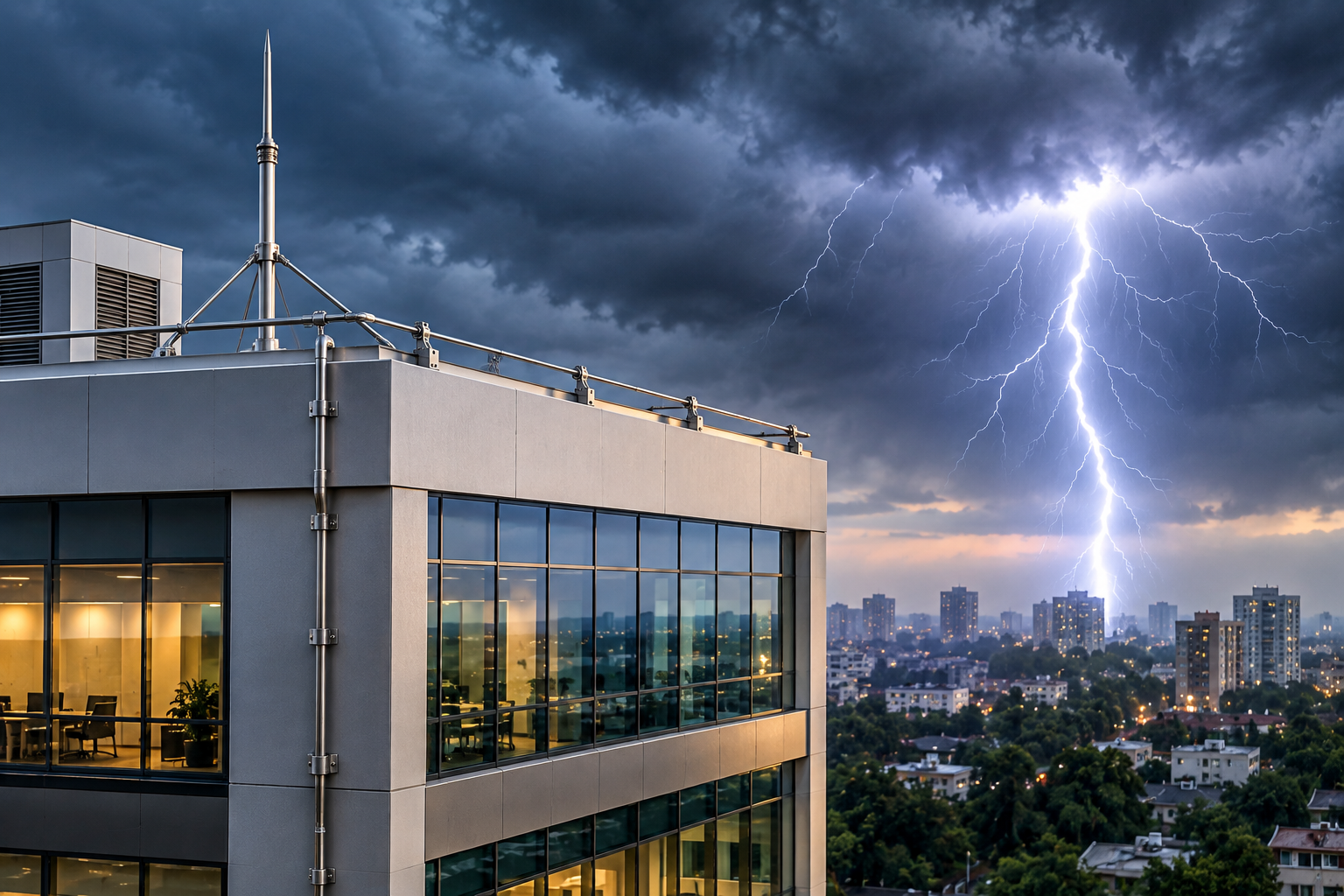
How Far Does One Lightning Arrester Protect? Understanding Protection Radius Explained

Pune’s Trusted Lightning Arrester Manufacturer | Safety & Protection Experts

Introduction

When a building owner, architect, or facility manager decides to install a lightning protection system, one of the first questions that comes up is: how far does one lightning arrester actually protect? This is not just a technical question. It is a practical one that directly affects how many units you need, where to place them, and how much of your structure is truly safe.

The answer lies in a concept called the protection radius. Understanding protection radius is the key to designing a lightning protection system that works properly, covers your entire structure, and meets international safety standards. This blog explains protection radius in plain, simple language so that anyone, from a building contractor to a homeowner, can understand it clearly and make the right decisions.

What Is a Protection Radius?

Protection radius is the area around a lightning arrester within which structures are considered protected from a direct lightning strike. Think of it as a cone of safety with the tip at the top of the arrester and the base at ground level. Any structure that falls within this zone is shielded because the arrester will attract the strike and safely divert it to the ground.

The size of this protection cone depends on several factors including the type of lightning arrester, its installation height, the class of protection required, and the standard used for design. Protection radius is not an absolute guarantee. It is a calculated safety zone based on engineering standards and probability. A correctly designed system with properly calculated protection radius significantly reduces the chance of a direct strike on your structure.

How Is Protection Radius Calculated?

The calculation of protection radius follows international standards, primarily IEC 62305. Three main methods are used.

The rolling sphere method imagines a sphere rolling across and around the structure. Any area the sphere can touch is considered vulnerable. The arrester is positioned to intercept the sphere before it touches the structure. The sphere radius ranges from 20 metres for Class I high protection to 60 metres for Class IV basic protection.

The protection angle method defines a cone-shaped zone based on the height of the air terminal and a specified angle. The angle varies by protection class and terminal height. For example, at 20 metres height with Class I protection, the angle may be as small as 25 degrees.

The mesh method applies to flat rooftop surfaces where a grid of conductors is laid to distribute coverage across the surface rather than relying on a single point of protection.

Conventional Lightning Arrester: What Protection Radius Can It Provide?

A conventional lightning arrester, also called a Franklin rod or spike arrester, works by offering a preferred low-resistance path that lightning will naturally choose over the surrounding structure. It does not actively attract lightning.

The protection radius of a conventional arrester depends almost entirely on installation height. A unit mounted at 10 metres height can protect a radius of roughly 10 to 30 metres depending on the protection class and calculation method. For large or wide structures, multiple conventional arresters are needed to achieve full coverage, and the spacing must be carefully planned to eliminate gaps.

ESE Lightning Arrester: How Protection Radius Is Different

An ESE lightning arrester works differently. ESE stands for Early Streamer Emission. It actively emits an upward streamer when it detects an approaching lightning strike, intercepting the downward bolt from a greater distance and attracting it from a wider area.

Because of this active mechanism, an ESE arrester delivers a significantly larger protection radius than a conventional arrester at the same installation height. Protection radius for ESE systems is calculated per NF C 17-102 and UNE 21186 standards. In practical terms, an ESE arrester at 10 metres height with an advance time of 60 microseconds can protect a radius of 70 to 107 metres depending on the protection class selected.

This is why ESE arresters are the preferred choice for large industrial campuses, warehouses, stadiums, airports, telecom towers, and wide-span commercial structures where maximum area coverage from fewer units is essential.

Key Factors That Affect Protection Radius in Practice

Several real-world factors influence actual protection radius on the ground.

Installation height matters most. The higher the air terminal, the larger the protection cone. Even a small increase in height meaningfully expands coverage.

Protection class changes the radius too. Class I, which is the highest level for critical or high-risk structures, uses a tighter protection angle and smaller rolling sphere, giving a more precise but narrower zone. Class IV allows wider coverage but only for lower-risk applications.

Nearby obstructions such as tall trees, adjacent buildings, or elevated equipment can create shadow zones where the arrester coverage is reduced. The down conductor and earthing system quality also plays a major role. A protection radius calculation assumes the entire system, from air terminal to earth electrode, is correctly installed and working. A poor earthing system reduces effective protection even if the arrester itself is positioned perfectly.

Why Correct Protection Radius Planning Matters

In cities like Chennai, which faces heavy monsoon seasons and high lightning density, and in Pune, where industrial and IT infrastructure is expanding rapidly, getting the protection radius right is not optional. It is a safety necessity.

A building that is only partially covered because the protection radius was not correctly calculated is just as dangerous as a building with no protection at all. Coverage gaps are invisible but their consequences are not. This is why lightning protection system design must always be carried out by qualified engineers using proper risk assessment and standard-based calculations, not guesswork.

How LES Ecotonik Systems Gets the Protection Radius Right as a Trusted Lightning Arrester Manufacturer in Chennai

Calculating protection radius accurately requires both technical knowledge and real field experience. LES Ecotonik Systems, one of India’s most trusted names in lightning protection, brings both to every project. As a leading Lightning Arrester Manufacturer in Chennai, LES Ecotonik System conducts thorough site assessments, performs risk analysis as per IEC 62305, and designs protection layouts that ensure complete, gap-free, and standard-compliant coverage for every structure. Whether you need a single ESE arrester for a residential tower or a multi-point conventional system for an industrial campus, LES Ecotonik Systems delivers precision-engineered solutions with full documentation and post-installation support.

Choose Complete Coverage with LES Ecotonik Systems, Your Lightning Arrester Manufacturer in Pune

No building owner should have to guess whether their structure is fully protected. As a leading Lightning Arrester Manufacturer in Pune, LES Ecotonik Systems provides detailed protection radius drawings, compliance certificates, and professional installation services that give you complete confidence. With over three decades of experience, ISO 9001, 14001, and 45001 certification, and products tested by CPRI Government of India, LES Ecotonik Systems is the partner you need for protection that covers every corner. Visit www.leslightning.com or contact LES Ecotonik Systems today for a site-specific protection radius assessment and a complete lightning safety solution.

Conclusion

Protection radius is the foundation of any effective lightning protection system. Getting it right means understanding the arrester type, installation height, protection class, and calculation method. A conventional arrester protects a smaller height-dependent zone while an ESE arrester extends coverage across a much wider area from a single point. Both work well when correctly specified and installed. What matters most is that the system is designed by experts who calculate coverage accurately and leave no gaps. With a trusted Lightning Arrester Manufacturer in Chennai and Lightning Arrester Manufacturer in Pune like LES Ecotonik Systems by your side, you get not just a product but a complete protection solution backed by engineering expertise, certification, and a genuine commitment to your safety.

Essential Role of ESE Lightning Arresters in Industrial Safety

Top Lightning Arrester Manufacturer in Chennai – Reliable Surge Protection

Essential Role of ESE Lightning Arresters in Industrial Safety

Industrial environments operate with high value equipment, complex electrical systems, and continuous production cycles. Any unexpected disruption can lead to major financial loss, operational downtime, and safety risks. Among the various natural threats faced by industries, lightning is one of the most unpredictable and dangerous.

A single lightning strike can damage electrical systems, destroy machinery, and even endanger human lives. This is where ESE lightning arresters play a crucial role. Designed with advanced technology, these systems provide early protection against lightning strikes, ensuring safety and continuity in industrial operations.

This blog explores the essential role of ESE lightning arresters in industrial safety in a simple, clear, and professional way.

Understanding Lightning and Its Impact on Industries

Lightning is a powerful natural electrical discharge that occurs between clouds or between the cloud and the ground. When it strikes industrial structures, the consequences can be severe.

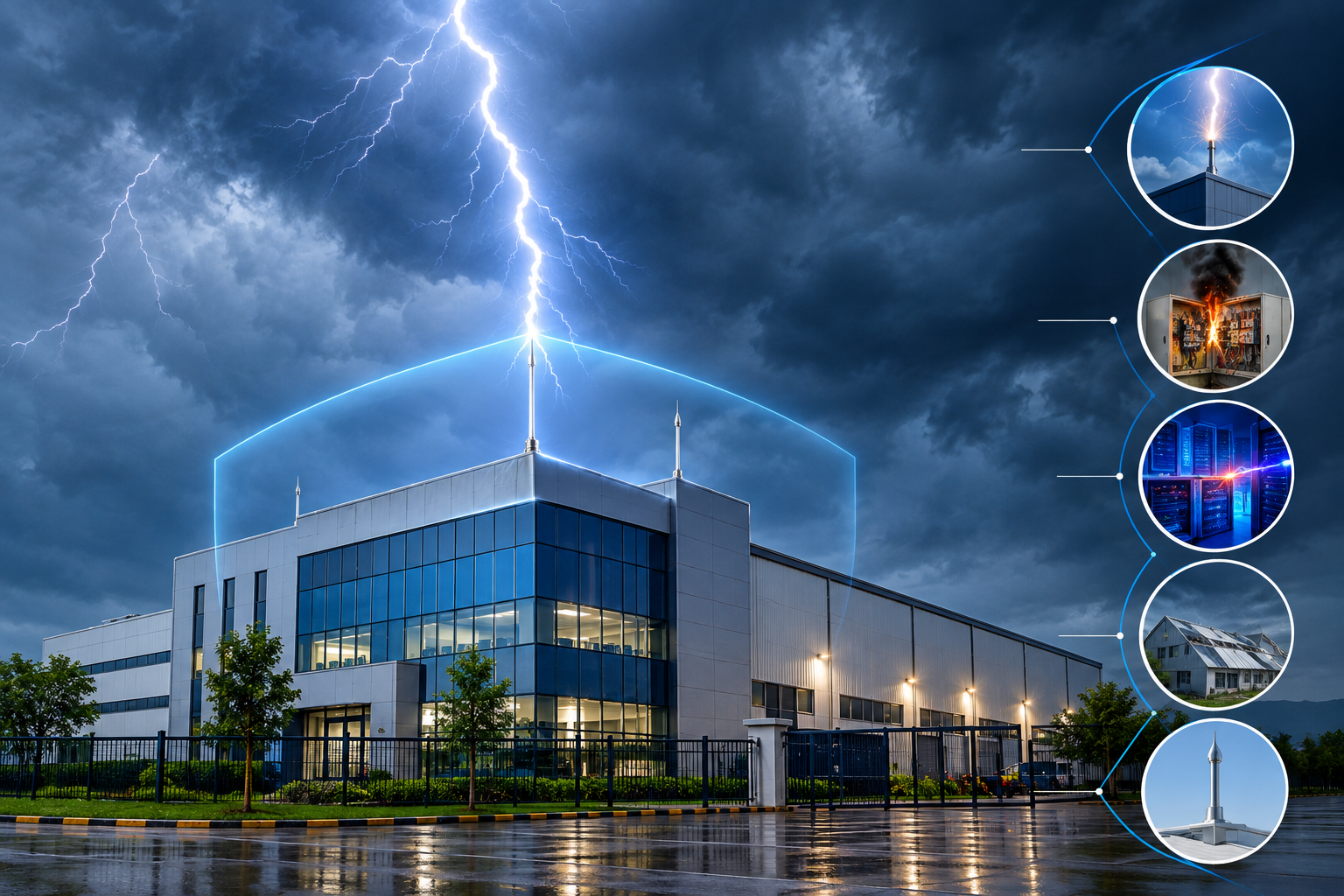
Industrial facilities often contain sensitive equipment, control panels, transformers, and communication systems. These components are highly vulnerable to voltage surges caused by lightning. Even a minor surge can lead to equipment malfunction, data loss, or complete system failure.

In addition to equipment damage, lightning can also cause fires, explosions, and safety hazards for workers. Industries such as manufacturing, oil and gas, textiles, and power plants are particularly at risk due to the presence of conductive materials and large open structures.

What is an ESE Lightning Arrester

ESE stands for Early Streamer Emission. An ESE lightning arrester is an advanced lightning protection system designed to intercept lightning strikes before they directly hit a structure.

Unlike conventional lightning rods, ESE systems actively generate an upward streamer earlier than other objects in the surrounding area. This allows the arrester to attract the lightning strike safely and direct it to the ground through a controlled path.

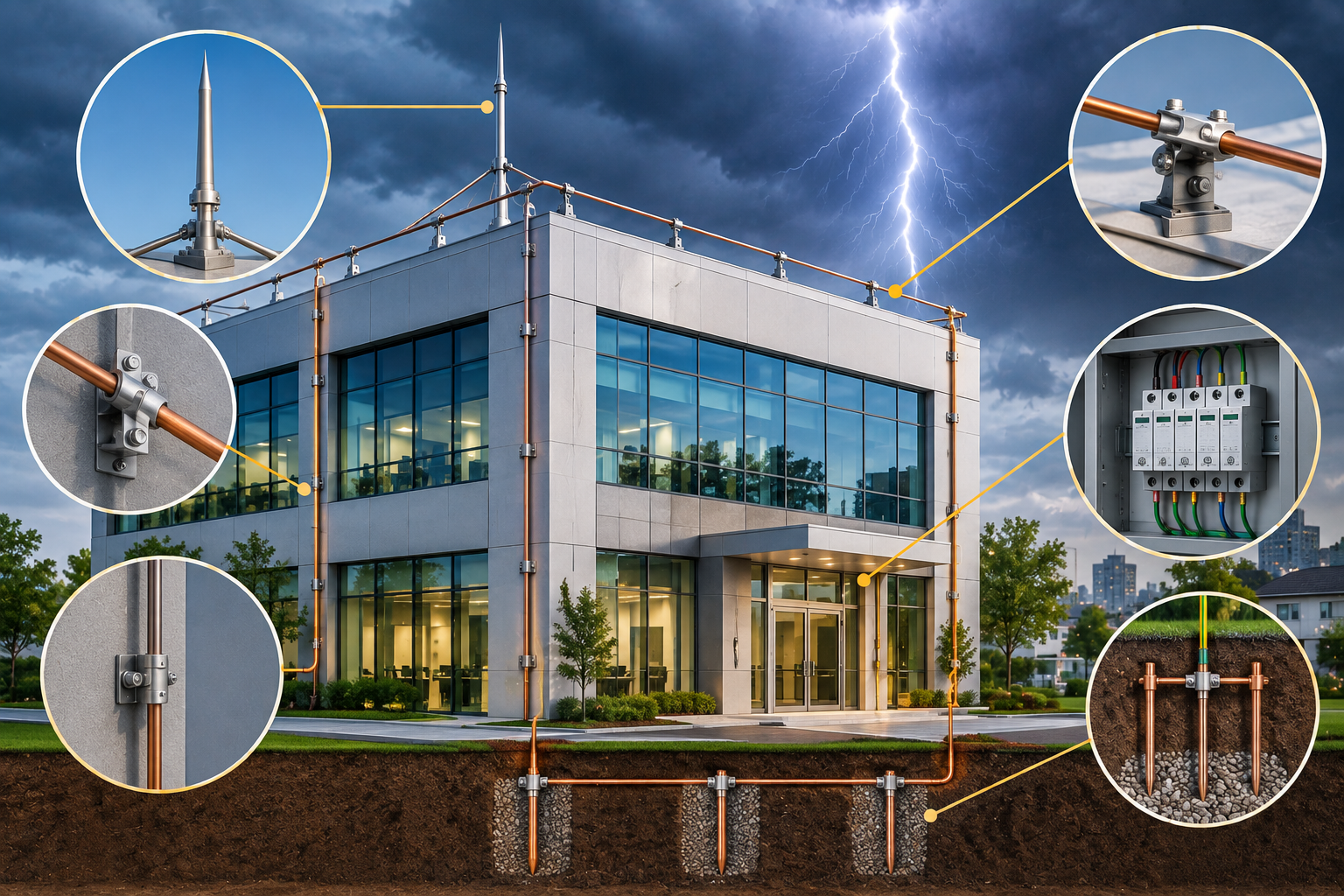
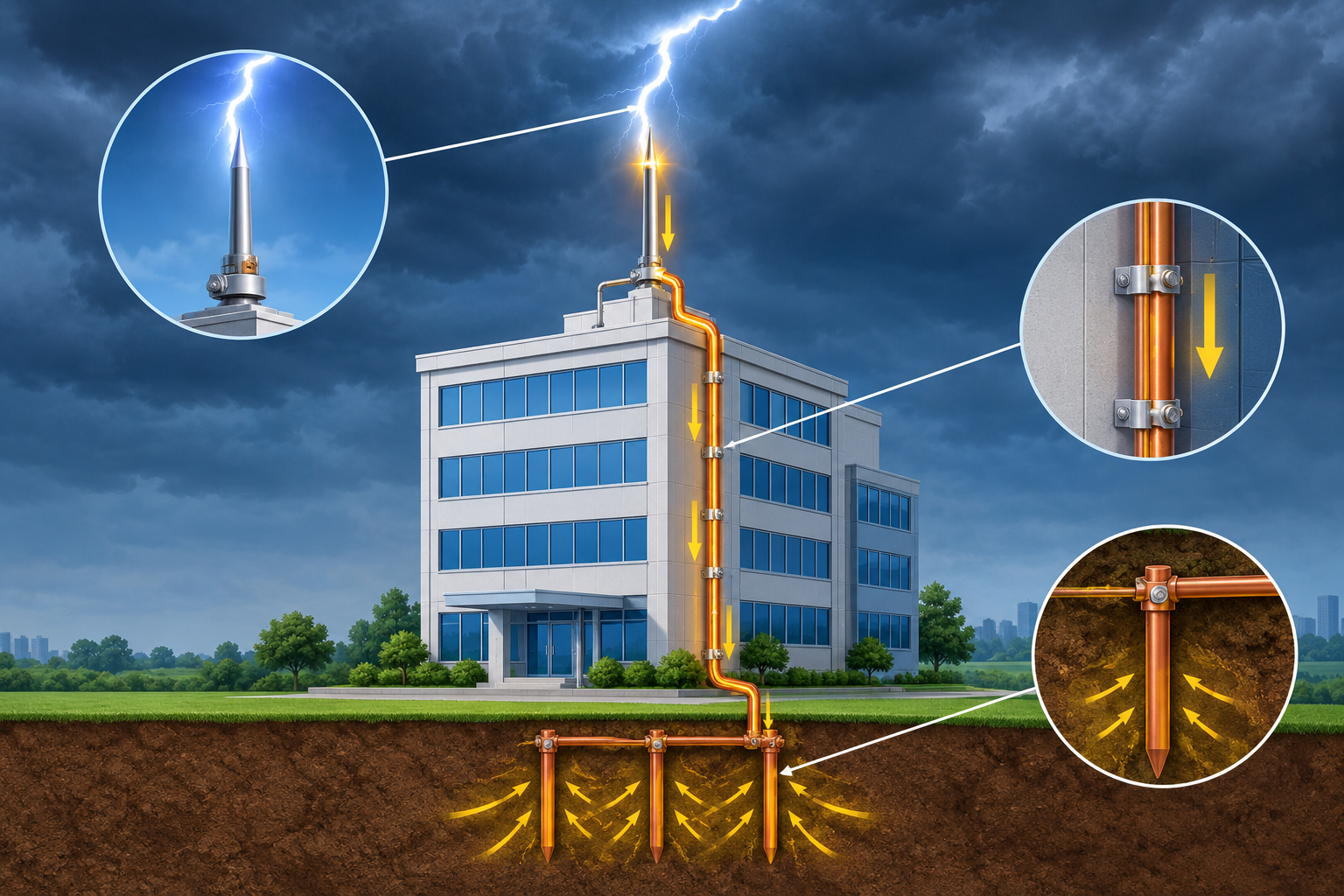
The main components of an ESE lightning protection system include the air terminal, down conductor, and grounding system. Together, they create a safe route for the lightning current to dissipate into the earth without causing damage.

How ESE Lightning Arresters Work

The working principle of an ESE lightning arrester is based on early emission of upward streamers. When a thunderstorm approaches, the electric field around the structure increases.

The ESE device senses this increase and generates a high voltage pulse that triggers the formation of an upward streamer. This streamer travels upward to meet the downward lightning leader, effectively capturing the strike before it reaches other parts of the structure.

Once the lightning is captured, the current flows through the down conductor and safely disperses into the ground. This controlled path prevents the lightning from damaging buildings, equipment, or people.

Key Benefits of ESE Lightning Arresters in Industrial Safety

Enhanced Protection Coverage

ESE lightning arresters provide a wider protection radius compared to conventional systems. This means fewer units are required to protect large industrial areas, making them efficient and cost effective.

Reduced Equipment Damage

By intercepting lightning strikes and safely directing the current to the ground, ESE systems protect sensitive equipment from voltage surges. This helps in maintaining the longevity and performance of machinery.

Improved Operational Continuity

Industrial downtime can lead to significant losses. ESE lightning arresters minimize disruptions by preventing damage to critical systems, ensuring smooth and uninterrupted operations.

Increased Worker Safety

Worker safety is a top priority in any industrial setup. ESE systems reduce the risk of electric shocks, fires, and explosions caused by lightning, creating a safer working environment.

Cost Savings in the Long Run

Although the initial investment may seem high, ESE lightning arresters help save costs by preventing damage, reducing maintenance, and avoiding production losses.

Importance of Proper Installation and Grounding

The effectiveness of an ESE lightning arrester depends on proper installation and grounding. Even the best system can fail if it is not installed correctly.

The air terminal must be placed at the highest point of the structure to ensure maximum coverage. The down conductor should provide a low resistance path for the lightning current. The grounding system must be designed to safely dissipate the electrical energy into the earth.

Regular inspection and maintenance are also essential to ensure the system functions properly during thunderstorms.

Applications of ESE Lightning Arresters in Industries

ESE lightning arresters are widely used across various industries due to their reliability and efficiency.

Manufacturing Units

Protect machinery, control panels, and automated systems from lightning damage.

Warehouses and Storage Facilities

Prevent fire hazards and protect stored goods from electrical surges.

Power Plants and Substations

Ensure uninterrupted power supply by safeguarding critical electrical infrastructure.

Telecommunication Towers

Protect communication equipment from lightning induced damage.

Oil and Gas Facilities

Reduce the risk of explosions and ensure safety in highly sensitive environments.

Compliance with Safety Standards

Industrial safety regulations often require the installation of effective lightning protection systems. ESE lightning arresters are designed to comply with international standards and guidelines.

Adhering to these standards ensures that industries meet legal requirements and maintain a safe working environment. It also enhances the credibility and reliability of the organization.

Choosing the Right Lightning Arrester Manufacturer in Chennai

Selecting a reliable supplier is crucial for ensuring the effectiveness of a lightning protection system. A trusted Lightning Arrester Manufacturer in Chennai will provide high quality products that meet industry standards and offer consistent performance.

Key factors to consider include product certification, technical expertise, customization options, and after sales support. A good manufacturer will also assist with system design, installation guidance, and maintenance services.

Why LES ECOTONIK SYSTEMS is a Preferred Choice

LES ECOTONIK SYSTEMS has established itself as a dependable name in the field of lightning protection solutions. With a strong focus on innovation and quality, the company offers advanced ESE lightning arresters designed for industrial safety.

Their products are built to deliver reliable performance under challenging conditions. LES ECOTONIK SYSTEMS emphasizes precision engineering, durability, and compliance with safety standards.

By understanding the unique requirements of different industries, the brand provides customized solutions that ensure maximum protection and efficiency.

Partnering with a Trusted Lightning Arrester Manufacturer in Chennai

Working with an experienced Lightning Arrester Manufacturer in Chennai ensures that industries receive not just products, but complete protection solutions.

From site assessment to system design and installation, a professional manufacturer plays a vital role in ensuring the success of the lightning protection system. Partnering with experts like LES Ecotonik System helps industries achieve long term safety, reliability, and peace of mind.

Conclusion

Lightning is a powerful natural force that can cause severe damage to industrial facilities. Investing in a reliable protection system is not just a precaution but a necessity.

ESE lightning arresters offer advanced protection by intercepting lightning strikes early and safely directing them to the ground. Their wide coverage, efficiency, and reliability make them an ideal choice for industrial applications.

Choosing the right Lightning Arrester Manufacturer in Chennai such as LES ECOTONIK SYSTEMS ensures high quality solutions, expert support, and long term safety. By implementing effective lightning protection systems, industries can safeguard their assets, protect their workforce, and ensure uninterrupted operations.

Streamlining CT/PT Transformer Manufacturing for Better Performance

 CT PT Transformer Manufacturer in Ahmedabad

Streamlining CT/PT Transformer Manufacturing for Better Performance

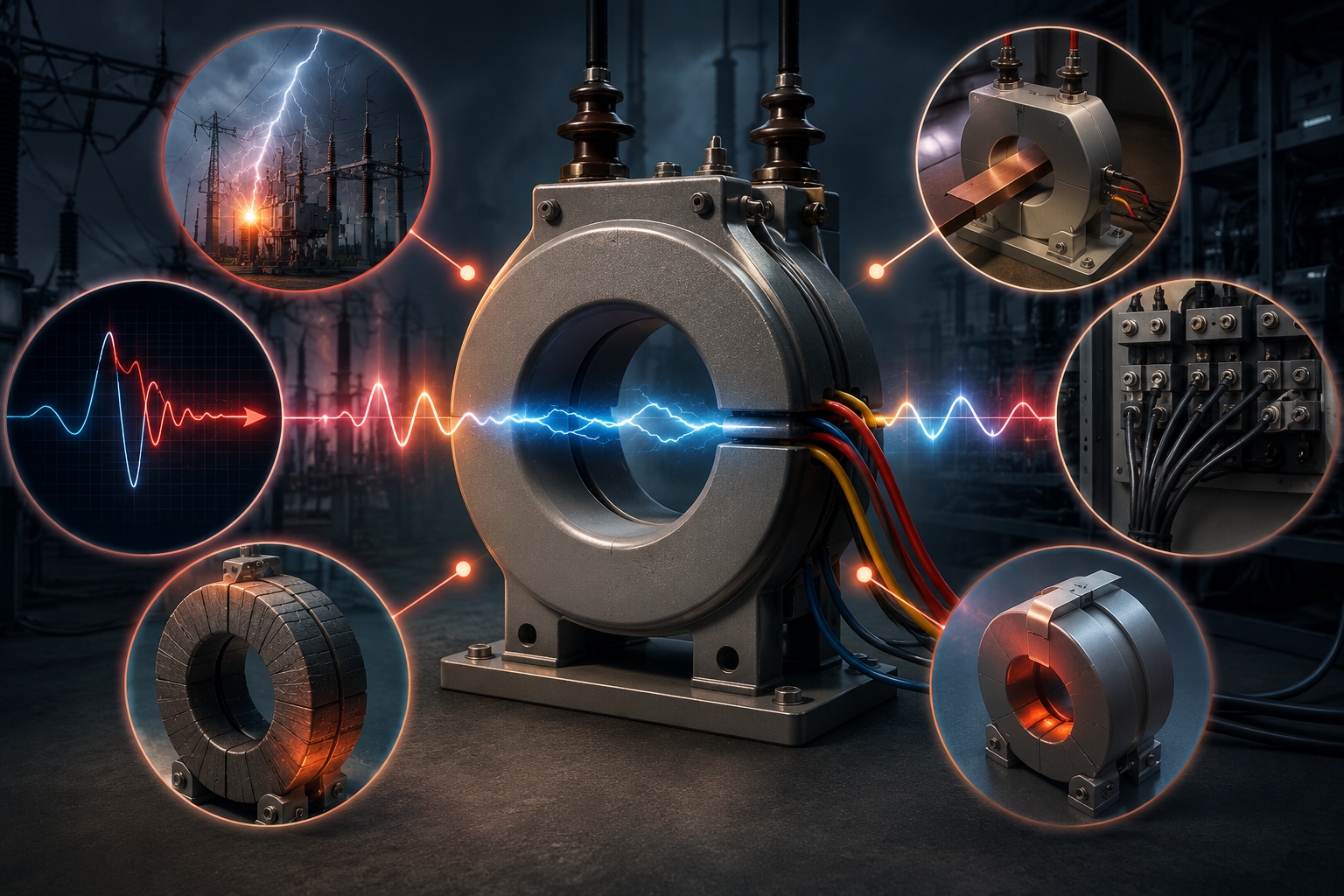
In modern electrical systems, transformers play a vital role in ensuring the safe and efficient distribution of electricity. Among them, CT (Current Transformer) and PT (Potential Transformer) units are critical for measuring, monitoring, and protecting power distribution networks. Accurate performance of CT/PT transformers directly impacts system reliability, energy efficiency, and operational safety.

The manufacturing of these transformers requires precision engineering, high-quality materials, and stringent testing processes to ensure they meet performance standards. With growing demand from industrial, commercial, and utility sectors, manufacturers are focused on streamlining production processes to enhance transformer accuracy, durability, and cost-effectiveness.

This blog explores how CT/PT transformer manufacturing is evolving, the key factors affecting transformer performance, and why partnering with reliable suppliers is essential for high-quality electrical infrastructure.

1. Importance of CT/PT Transformers in Power Systems

CT and PT transformers serve as measuring and monitoring devices in electrical networks. Their primary functions include:

  • Current Transformers (CTs) – These measure high currents by stepping them down to a safe level for metering and protection devices. CTs are crucial for load monitoring, fault detection, and relay operations.
  • Potential Transformers (PTs) – PTs step down high voltage to standard values for metering and instrumentation. They ensure that voltage levels are accurately monitored and controlled in the distribution system.

Accurate CT/PT transformers are vital for maintaining system stability, preventing equipment damage, and ensuring precise billing and energy management in industrial and commercial setups.

2. Key Factors in Transformer Manufacturing

Manufacturing CT/PT transformers involves multiple steps, each contributing to the overall performance and reliability of the device:

  • Core Material Quality – High-grade magnetic cores ensure minimal losses, high efficiency, and accurate measurement.
  • Winding Precision – Accurate winding of primary and secondary coils affects transformer ratio, linearity, and measurement precision.
  • Insulation and Safety – Proper insulation prevents leakage currents, enhances durability, and ensures compliance with safety standards.
  • Testing and Calibration – Every transformer undergoes rigorous testing for accuracy, burden handling, temperature rise, and dielectric strength to meet industry specifications.

3. Innovations in CT/PT Transformer Design

Modern CT/PT transformers are evolving to meet the growing demands of energy management, automation, and smart grids. Key innovations include:

  • Compact and Lightweight Designs – Facilitating easier installation, reduced material usage, and lower transportation costs.
  • Enhanced Accuracy Classes – Meeting stringent international standards for energy metering and protective relaying.
  • Integration with Digital Systems – Allowing smart monitoring, remote data acquisition, and predictive maintenance for power distribution networks.
  • Environmentally Friendly Materials – Reducing environmental impact while maintaining performance standards.

4. Partnering with a Trusted CT/PT Transformer Manufacturer

Choosing a reliable manufacturer is crucial for obtaining high-quality, performance-optimized CT/PT transformers. LES Ecotonik System, a leading CT PT Transformer Manufacturer in Ahmedabad, provides precision-engineered solutions tailored to industrial, commercial, and utility requirements.

They are also recognized among Power distribution transformer supplier Ahmedabad and Electrical measuring transformer manufacturer Ahmedabad, offering products tested for efficiency, accuracy, and durability. Partnering with a trusted manufacturer ensures access to transformers that meet regulatory standards and operational requirements, reducing downtime and maintenance costs.

5. Comprehensive Transformer Supply Solutions

In addition to manufacturing, LES Ecotonik System serves as trusted CT PT transformer dealers in Ahmedabad, providing a wide range of transformers for varied applications. Their solutions cater to power distribution, industrial machinery, energy metering, and instrumentation systems.

By offering a complete portfolio, they simplify procurement, installation, and maintenance, enabling businesses to standardize equipment, optimize performance, and maintain high-quality measurement and protection across electrical systems.

6. Energy Metering and Industrial Applications

For precise monitoring and energy management, LES Ecotonik System provides Energy metering transformer supplier Ahmedabad services. Their CT/PT transformers are designed to support accurate billing, energy auditing, and system diagnostics in industrial, commercial, and utility networks.

Reliable energy metering helps reduce energy losses, improve efficiency, and ensure fair billing in commercial and industrial operations. By supplying high-performance metering transformers, LES Ecotonik System ensures accurate, consistent, and safe operation for modern power systems.

7. Benefits of Streamlined Manufacturing

Streamlined CT/PT transformer manufacturing provides multiple benefits to businesses and utilities:

  • Enhanced Accuracy – Precision engineering reduces measurement errors in critical electrical systems.
  • Operational Efficiency – Faster production and testing cycles ensure timely delivery and reliable performance.
  • Cost-Effectiveness – Efficient manufacturing reduces material waste, production time, and overall costs.
  • Longevity and Durability – High-quality components and rigorous quality control ensure long-lasting transformers suitable for industrial use.
Conclusion

CT/PT transformers play a vital role in maintaining the safety, accuracy, and efficiency of today’s electrical networks. Their reliable performance is crucial for precise energy measurement, effective equipment protection, and seamless monitoring across industrial, commercial, and utility sectors.

Collaborating with a reputable CT PT Transformer Manufacturer in Ahmedabad such as LES Ecotonik System provides access to top-quality solutions, including CT PT transformer dealers in Ahmedabad, Energy metering transformer supplier Ahmedabad, and Power distribution transformer supplier Ahmedabad.

By combining advanced engineering, innovative manufacturing techniques, and dependable supply chains, businesses can ensure precise energy monitoring, safeguard critical equipment, and enhance overall operational efficiency. Optimized CT/PT transformer production not only meets the demands of modern infrastructure but also supports smarter, safer, and more sustainable power systems for the future.

Electrical Safety Strategies for Modern Commercial Spaces

LES Ecotonik System

Electrical Safety Strategies for Modern Commercial Spaces

In today’s fast-paced commercial environment, ensuring electrical safety is critical for protecting personnel, equipment, and business operations. Modern commercial spaces, including office complexes, shopping centers, hospitals, and IT hubs, rely on complex electrical systems to maintain lighting, HVAC, communication networks, and critical equipment.

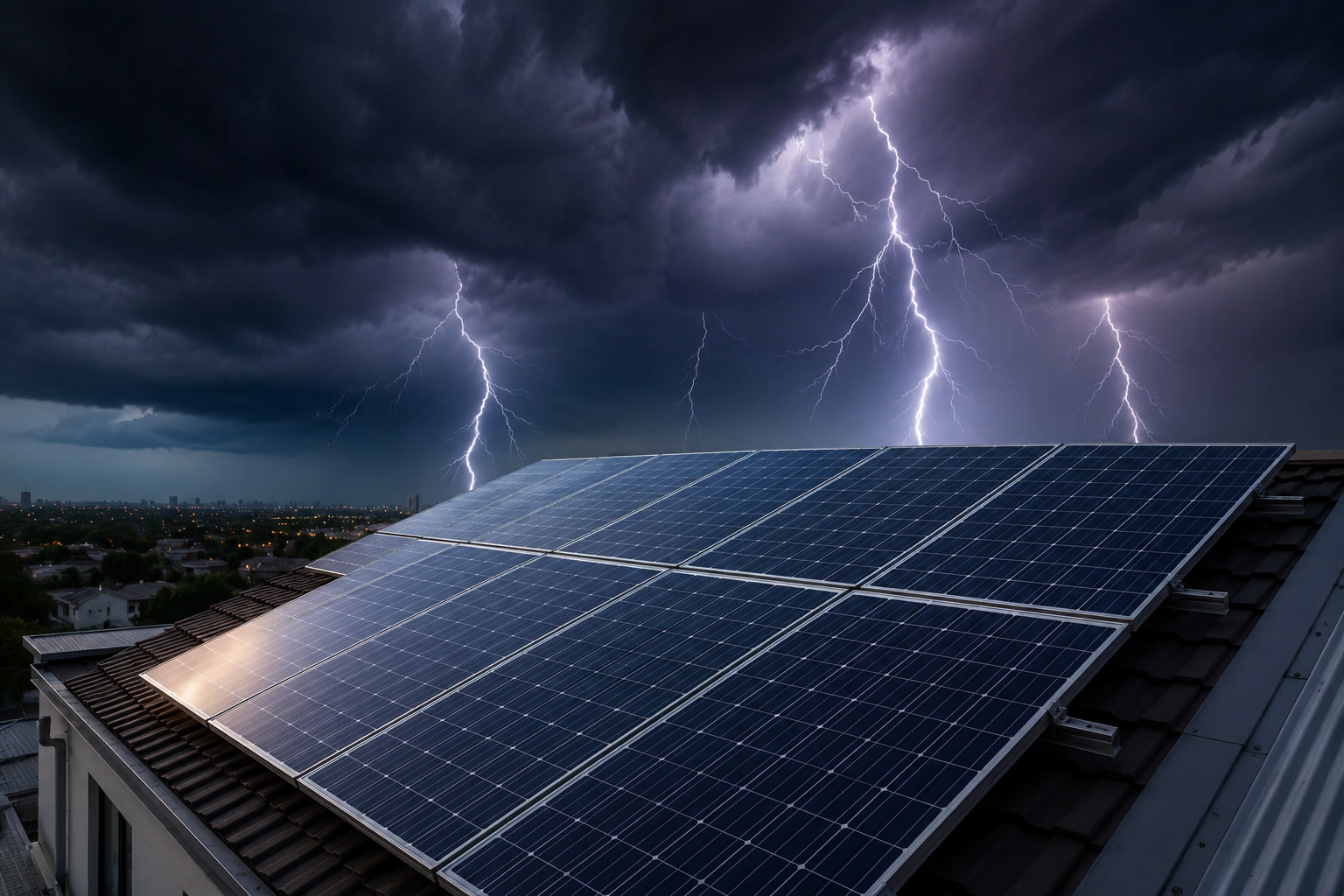
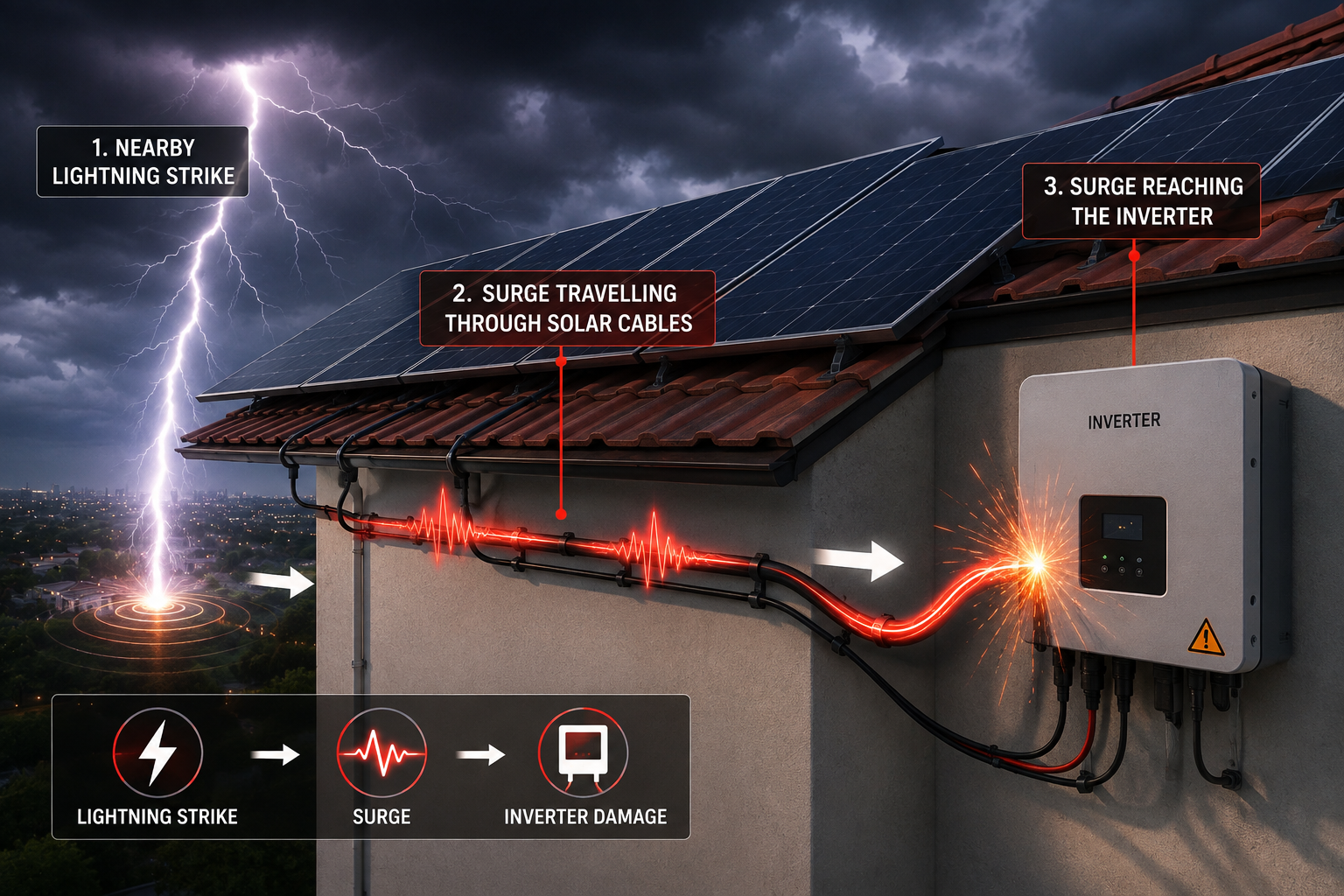
One of the most significant risks these spaces face is damage caused by lightning strikes. Direct or indirect lightning strikes can lead to power surges, equipment failure, fires, and safety hazards for occupants. Implementing comprehensive electrical safety strategies, including effective lightning protection systems, is essential to safeguard commercial infrastructure and ensure uninterrupted operations.

By combining advanced protection devices, proper system design, and professional installation, businesses can mitigate lightning-related risks while adhering to regulatory standards. This blog explores key strategies for electrical safety in modern commercial spaces and highlights the role of specialized manufacturers and service providers.

1. Understanding Lightning Risks in Commercial Spaces

Lightning is a natural phenomenon capable of producing millions of volts of electricity in a fraction of a second. In commercial buildings, lightning can affect electrical systems in several ways:

  • Direct strikes – When lightning hits a building directly, it can damage structural elements, electrical systems, and sensitive equipment.
  • Indirect strikes – Lightning can induce voltage surges through power lines, communication cables, and metallic structures, harming electronics and machinery.
  • Electrical fires – Surges caused by lightning can trigger sparks, short circuits, and fires, posing serious safety hazards.

Awareness of these risks is the first step in developing a robust electrical safety strategy for commercial spaces. Proper planning and protection measures reduce the likelihood of damage and improve safety for occupants and equipment.

2. Components of a Lightning Protection System

A comprehensive lightning protection system integrates multiple components to safeguard commercial infrastructure effectively. Key elements include:

  • Lightning rods – Conductive rods installed on rooftops to attract lightning strikes safely.
  • Down conductors – Copper or aluminum cables that carry lightning current from the rod to the ground.
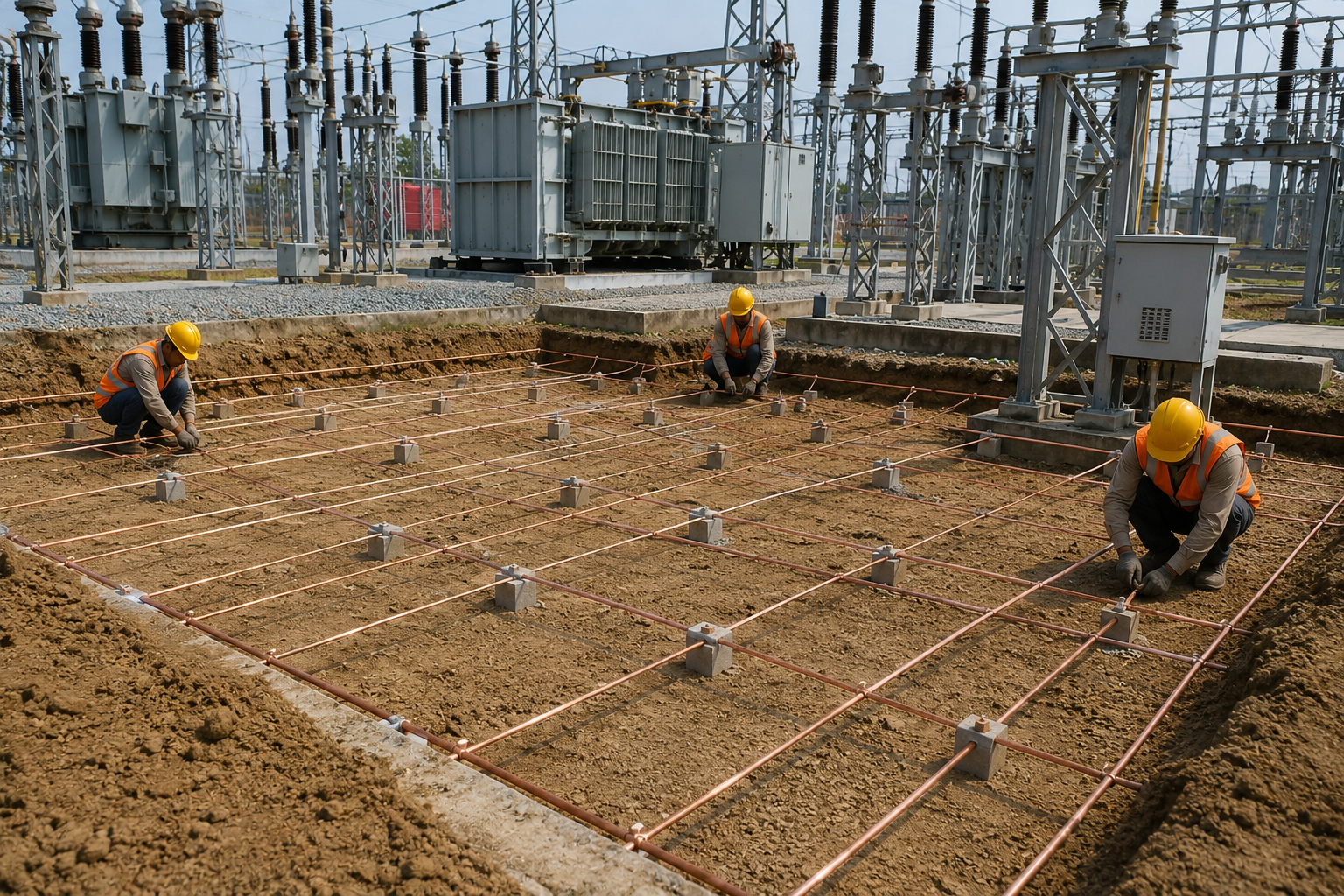
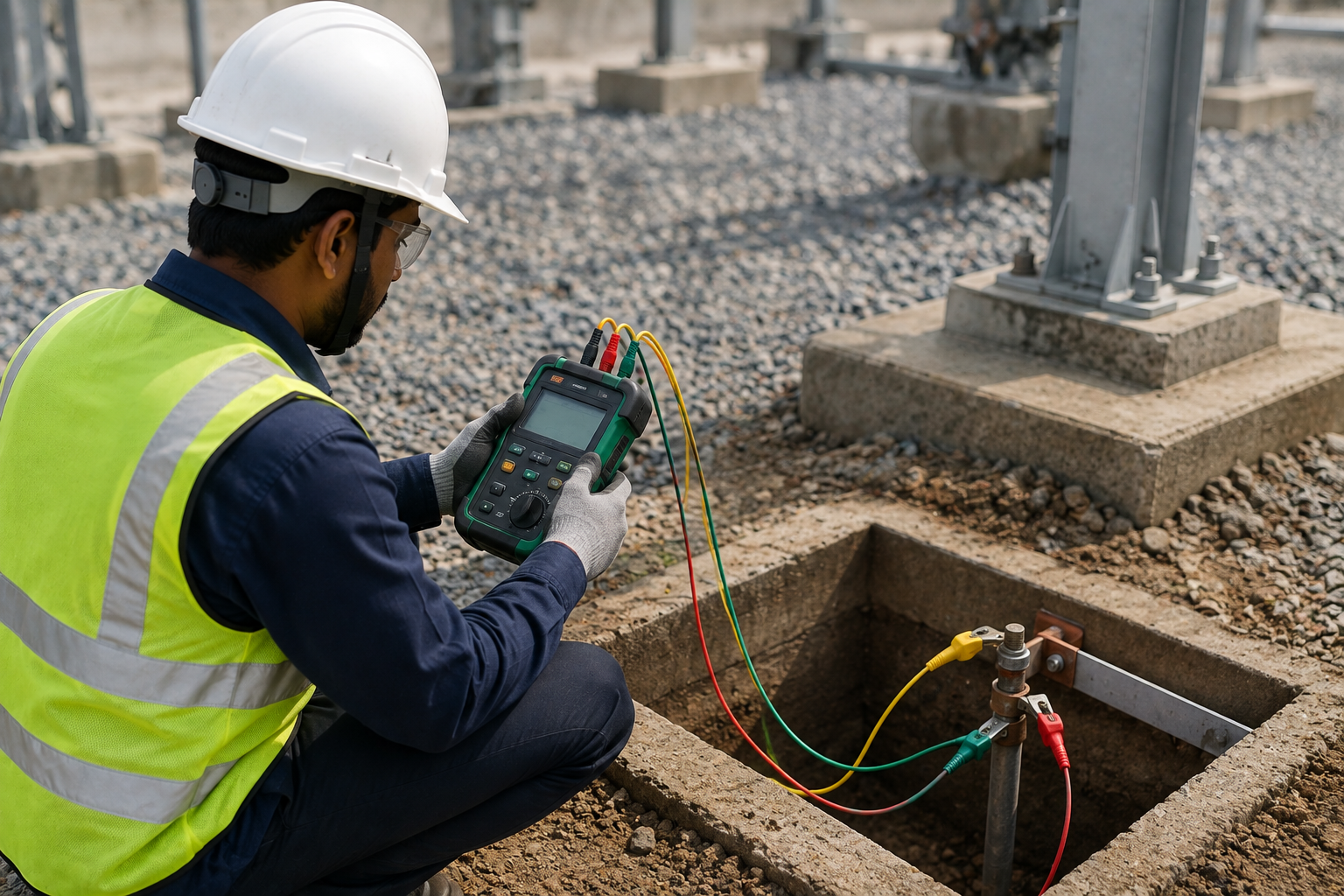
  • Grounding systems – Electrodes and grounding networks dissipate electricity into the earth, minimizing risk to equipment and structures.
  • Surge protection devices (SPDs) – Installed on electrical and communication lines, SPDs prevent voltage surges from reaching sensitive electronics.

Proper design, installation, and maintenance of these components are crucial for ensuring reliable protection in modern commercial spaces.

3. Integrating Electrical Safety Measures

Lightning protection should be part of a broader electrical safety strategy in commercial buildings. Key practices include:

  • Regular system inspection – Periodic checks of grounding, conductors, and rods ensure optimal performance and detect wear or corrosion.
  • Equipment protection – Surge protectors safeguard computers, servers, and other sensitive electronics from induced surges.
  • Safety protocols – Clear guidelines for occupants during thunderstorms, including power shutdown procedures, enhance overall safety.
  • Compliance with standards – Adhering to local and international codes, such as IEC 62305 for lightning protection, ensures legal and operational compliance.

Integrating these measures minimizes downtime, protects assets, and maintains a safe environment for building occupants.

4. Partnering with a Trusted Lightning Arrester Manufacturer

Selecting a reliable manufacturer is essential for ensuring the effectiveness of lightning protection systems. LES Ecotonik System, a leading Lightning Arrester Manufacturer in Bhopal, provides high-quality solutions tailored for commercial spaces.

They are recognized among Lightning rod manufacturer in Bhopal and Lightning safety equipment supplier Bhopal, offering certified components designed for durability, efficiency, and compliance with safety standards. Partnering with a trusted manufacturer guarantees access to advanced materials and expert guidance for system design and implementation.

5. Installation Services for Commercial Buildings

Professional installation is critical for the performance of any lightning protection system. LES Ecotonik System offers Lightning protection installation services Bhopal, ensuring that rods, conductors, and grounding systems are correctly positioned, securely connected, and fully functional.

Expert installation reduces risks associated with improper grounding, loose connections, or insufficient coverage. It also ensures that systems are integrated seamlessly with existing electrical infrastructure, optimizing protection for all equipment and occupants.

6. Durable and Customized Solutions

Commercial buildings require durable and reliable components capable of withstanding environmental factors and frequent use. LES Ecotonik System provides Durable lightning rod manufacturers for commercial buildings in Bhopal, delivering products engineered for long-term performance and resistance to corrosion, weather, and physical stress.

Customized solutions allow businesses to implement systems suited to building height, layout, and electrical load requirements. With precision-engineered rods, robust grounding systems, and high-performance surge protection devices, commercial spaces gain comprehensive protection against lightning and electrical hazards.

7. Enhancing Operational Reliability

Investing in quality lightning protection not only ensures safety but also improves operational reliability. By preventing surges and electrical faults, commercial buildings reduce equipment downtime, avoid costly repairs, and maintain uninterrupted services.

LES Ecotonik System also provides a full range of maintenance and monitoring services, helping facility managers track system performance, schedule inspections, and update components as needed. This proactive approach ensures sustained safety and efficiency for modern commercial spaces.

Final Thoughts

Electrical safety in commercial buildings is essential for protecting assets, personnel, and operational continuity. Lightning protection systems, when designed, installed, and maintained correctly, offer a robust safeguard against surges, direct strikes, and electrical faults.

Partnering with a trusted Lightning Arrester Manufacturer in Bhopal like LES Ecotonik System provides access to high-quality solutions, including Lightning protection installation services Bhopal, Durable lightning rod manufacturers for commercial buildings in Bhopal, and Reliable lightning safety equipment supplier Bhopal.

By implementing these strategies, commercial spaces can achieve enhanced safety, operational reliability, and compliance with international electrical standards, ensuring long-term protection for both occupants and equipment.