How to Evaluate the Performance of a Lightning Arrester System

Best Lightning Arrester Manufacturer in Kolkata

Common Mistakes in Earthing & Bonding and How to Avoid Them

Introduction

Lightning is a powerful natural phenomenon capable of causing catastrophic damage to electrical systems, buildings, and infrastructure. To mitigate these risks, lightning protection systems—especially lightning arresters—play an essential role. These devices provide a controlled path for lightning currents to safely discharge into the earth, thereby protecting equipment, property, and human life.

However, simply installing a lightning arrester system is not enough. Regular evaluation and testing are crucial to ensure it performs efficiently under real lightning conditions. A malfunctioning system may not show visible symptoms but could fail when it matters most, resulting in massive losses.

This blog explores in depth how to evaluate the performance of a lightning arrester system, the key parameters to assess, testing procedures, maintenance strategies, and how professional guidance can ensure your system remains reliable and compliant with international safety standards.

Understanding the Function of a Lightning Arrester System

A lightning arrester is designed to divert high-voltage surges—caused by lightning strikes or transient overvoltages—safely to the ground. It acts as a protective shield between the power system and lightning energy.

The key components of a typical lightning arrester system include:

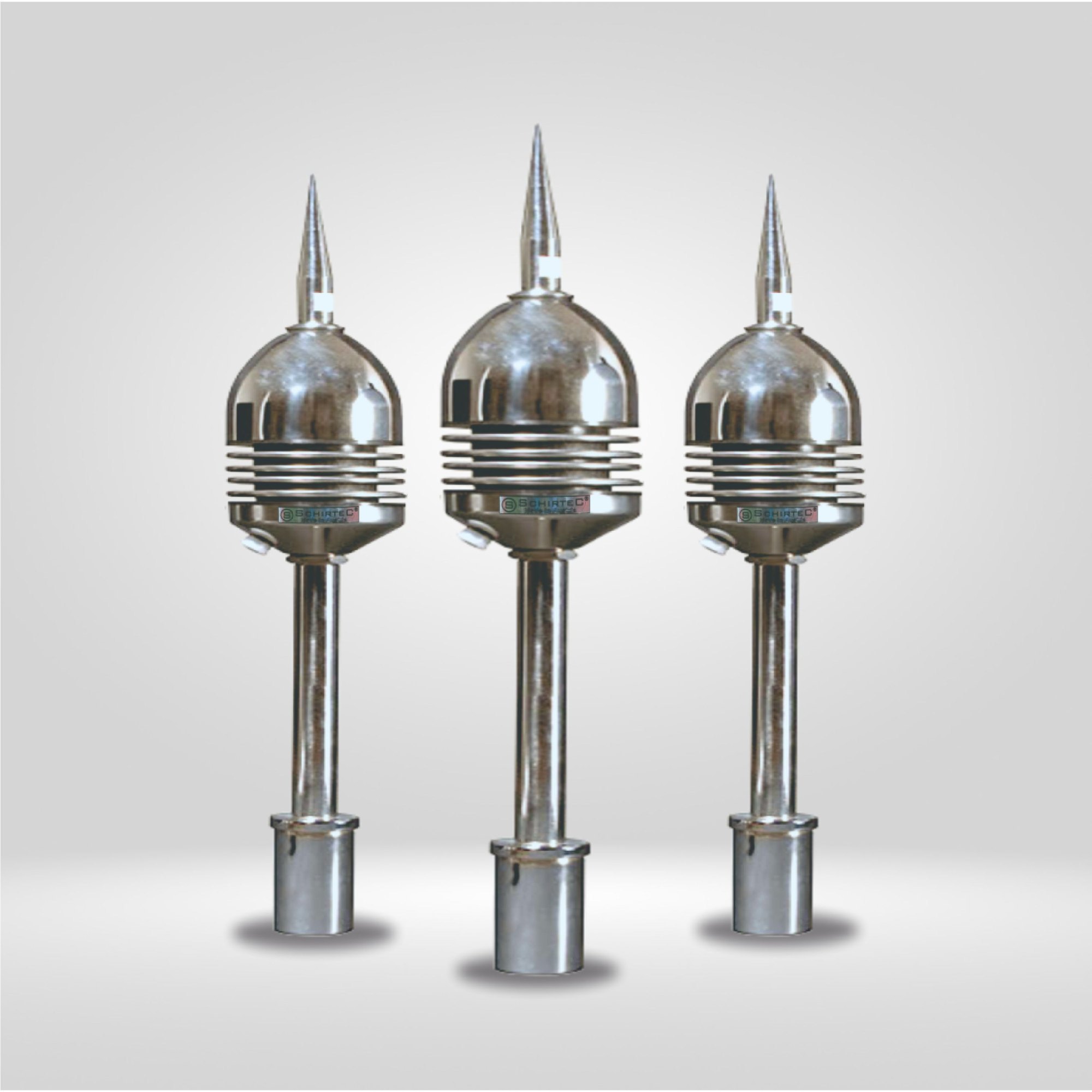
Air Terminals (Lightning Rods): Capture lightning strikes.
Down Conductors: Provide a low-resistance path for the discharge.
Earth Termination System: Safely dissipates the lightning current into the ground.
Surge Protection Devices (SPDs): Protect sensitive electrical equipment from transient voltages.

When all these components work in harmony, the lightning arrester system ensures that excess energy bypasses critical electrical systems, maintaining safety and operational integrity.

Why Performance Evaluation Is Important

Even a well-installed lightning protection system can deteriorate over time due to environmental factors, corrosion, wear and tear, or accidental damage. Regular evaluation ensures that:

• The system maintains low resistance paths to the ground.
• All components are intact and functional.
• The earthing network efficiently disperses lightning energy.
• Compliance with standards like IEC 62305 or IS/IEC 62561 is maintained.

Periodic assessment prevents unexpected failures during lightning strikes and ensures that your investment continues to protect assets effectively.

Key Performance Parameters to Evaluate

1. Earth Resistance

The grounding system is the most vital part of a lightning protection system. High earth resistance can reduce the efficiency of current dissipation, increasing the risk of side flashes or electrical damage.

Acceptable Range: Typically, earth resistance should be less than 10 ohms for most installations.
Evaluation Method: Conduct periodic earth resistance testing using earth testers or fall-of-potential methods.

2. Continuity of Down Conductors

Each down conductor must maintain a continuous, low-resistance connection between the air terminal and the earth termination system. Breaks, loose connections, or corrosion can cause the system to fail.

Evaluation Method: Perform continuity testing using a digital low-resistance ohmmeter.
Ideal Condition: Resistance should be uniform and minimal along all paths.

3. Visual Inspection of Components

Visual checks are the simplest yet most effective method to identify physical deterioration. Look for corrosion, cracks, loose joints, or damaged conductors.

• Inspect air terminals for rust or wear.
• Check bonding connections for integrity.
• Ensure all fasteners and clamps are tight and secure.

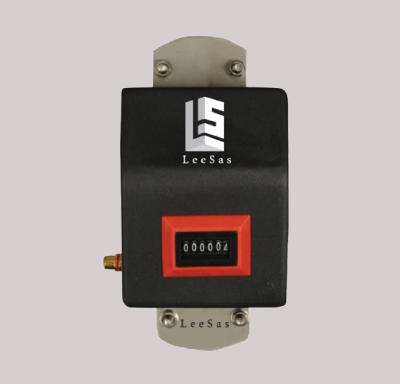
4. Lightning Event Counters

Modern lightning protection systems include event counters that record each lightning discharge. These counters help estimate how often the system is exposed to lightning and whether maintenance is required.

Evaluation Method: Check counter readings during periodic inspections.
Action: Investigate and retest the system after significant strike events.

5. Surge Protection Devices (SPDs)

SPDs protect sensitive electronics from transient voltages. Their performance degrades with repeated surges, so regular checks are necessary.

Evaluation Method: Test SPD response using specialized surge testers.
Replacement Criteria: Replace if response times increase or protective capability drops.

Step-by-Step Process for Evaluating a Lightning Arrester System

Step 1: Preliminary Visual Inspection

Inspect the system physically for:
• Corrosion, wear, or mechanical damage.
• Improper routing of conductors.
• Signs of flashover or burn marks.
• Missing clamps or protective covers.

Step 2: Continuity Testing

Use an ohmmeter to verify electrical continuity of the down conductors, connectors, and bonding paths.
Ensure all paths provide low resistance.
Repair or replace sections with excessive resistance.

Step 3: Earth Resistance Testing

Perform grounding resistance tests under different moisture conditions (dry and wet seasons) to obtain accurate readings.
Record results and compare with initial installation data.
If resistance increases significantly, consider reconditioning or expanding the grounding system.

Step 4: SPD and Counter Evaluation

Test surge devices and lightning counters.
Replace SPDs that show reduced efficiency.
Reset counters after inspections to track new lightning events.

Step 5: Documentation and Compliance Check

Maintain detailed records of all test results, maintenance activities, and corrective actions.
Ensure compliance with IEC 62305-3 and IS 2309 standards.
Include photographs of inspection points for visual reference.

Common Issues That Affect Performance

Corrosion of Conductors and Terminals: Especially in coastal or industrial environments, corrosion can increase resistance.
Poor Soil Conductivity: Dry or rocky soil increases grounding resistance, reducing effectiveness.
Improper Bonding: Unbonded metallic structures can cause side flashes.
Lack of Maintenance: Accumulated dirt, debris, or damage often go unnoticed until failure occurs.
Inadequate Installation: Substandard materials or faulty installation compromise long-term safety.

Recognizing and addressing these issues promptly ensures continuous protection.

Maintenance Best Practices for Long-Term Reliability

A lightning protection system requires consistent attention. Here’s how to ensure optimal performance:

• Annual Testing: Perform full-system tests at least once a year.
• Post-Lightning Inspection: Inspect immediately after a known strike.
• Component Replacement: Replace any corroded, worn, or damaged parts promptly.
• Environmental Protection: Use corrosion-resistant materials and protective coatings.
• Professional Certification: Get systems inspected by certified lightning protection experts periodically.

Proactive maintenance saves costs in the long term and prevents catastrophic system failures.

Modern Technologies in Lightning Arrester Evaluation

Recent advancements in technology have revolutionized the way lightning systems are monitored and tested. Some modern methods include:

• Remote Monitoring Systems: These track lightning strikes, earth resistance, and system integrity in real time.
• Infrared Thermography: Detects hotspots or loose connections invisible to the naked eye.
• Ground Impedance Measurement: Provides more accurate data compared to traditional resistance testing.
• Digital Reporting Tools: Automatically generate compliance reports for audits and recordkeeping.

Integrating these technologies enhances accuracy, efficiency, and reliability in system evaluation.

Ensuring Quality with LES Ecotonik System – Trusted Lightning Arrester Manufacturer in Kolkata

As a reputed Lightning Arrester Manufacturer in Kolkata, LES Ecotonik System is known for its precision-engineered products that meet global safety and performance standards. The company’s lightning protection solutions are designed with durability, efficiency, and ease of maintenance in mind.

Their range includes advanced surge arresters, high-performance grounding kits, and monitoring devices that make evaluation and upkeep straightforward.LES Ecotonik System commitment to innovation ensures that their products provide unmatched reliability in protecting against high-voltage surges and lightning events.

LES Ecotonik System’s Expertise in Performance Evaluation and Testing

LES Ecotonik System doesn’t just manufacture high-quality lightning arresters—they also provide professional guidance for performance evaluation and testing. Their experts assist in conducting detailed inspections, grounding resistance analysis, and SPD assessments to ensure your system functions at peak performance.

With years of experience and adherence to IEC 62305 and IS 2309 standards, LES Ecotonik System ensures that your lightning protection system remains compliant, efficient, and future-ready.

Why Choose LES Ecotonik System – Reliable Lightning Arrester Manufacturer in Kolkata

When it comes to lightning safety, choosing a trusted partner like LES Ecotonik System, a leading Lightning Arrester Manufacturer in Kolkata, guarantees quality and dependability. Their solutions are engineered for diverse applications—from industrial complexes and telecom towers to commercial and residential infrastructure.

LES Ecotonik System emphasizes precision design, corrosion-resistant materials, and advanced testing methods, ensuring every product delivers consistent protection and performance.

Final Thoughts

Evaluating the performance of a lightning arrester system is not merely a maintenance task—it’s an essential safety practice that ensures the protection of lives, property, and critical infrastructure. Regular inspections, testing, and proper recordkeeping guarantee that the system remains efficient and reliable even under extreme lightning conditions.

By partnering with LES Ecotonik System, a trusted Lightning Arrester Manufacturer in Kolkata you can be confident that your lightning protection systems meet the highest standards of safety and performance. With their expertise and advanced testing methods, you can protect your assets effectively, minimize downtime, and ensure compliance with international standards—safeguarding your operations today and in the future.
Common Mistakes in Earthing & Bonding and How to Avoid Them

Top Earthing & Bonding Products Manufacturer in Jaipur

Common Mistakes in Earthing & Bonding and How to Avoid Them

Introduction

In the world of electrical engineering and safety, earthing and bonding are two crucial systems that ensure the protection of both people and property from electrical hazards. Despite being fundamental to any electrical installation, they are often misunderstood, improperly designed, or poorly maintained. Such mistakes not only lead to system inefficiency but also increase the risk of electric shock, equipment failure, and even fire.

Understanding the common mistakes in earthing and bonding—and how to avoid them—can significantly improve the safety, performance, and longevity of electrical systems. This article explores the key errors commonly seen in these systems, their consequences, and practical steps to ensure compliance with modern safety standards.

The Role of Earthing and Bonding in Electrical Safety

Before diving into the mistakes, it’s important to distinguish between earthing and bonding:

Earthing (or grounding): involves connecting non-current-carrying parts of electrical equipment to the earth. It ensures that in case of insulation failure, fault current has a safe path to ground.

Bonding: involves connecting metallic parts together to equalize potential differences, preventing dangerous voltage between conductive parts that can cause electric shock.

Together, they form a safety network that prevents electrocution, equipment damage, and voltage instability in electrical installations.

Why Proper Earthing and Bonding Are Essential

The primary reasons for implementing an effective earthing and bonding system include:

Protection of life and property: Prevents electric shocks and fire hazards.

Equipment protection: Provides a safe discharge path for lightning and fault currents.

Voltage stabilization: Maintains system voltage within safe limits.

Compliance: Meets safety codes and electrical standards like IEC, IS, or IEEE regulations.

However, the benefits are often undermined by improper installation, neglect, or lack of understanding of these systems.

Common Mistake 1: Inadequate Grounding System Design

One of the most frequent mistakes is improper or inadequate design of the earthing system. Many installations rely on a “one-size-fits-all” approach rather than designing grounding according to soil resistivity, load requirements, and fault current levels.

For example, using a single earth electrode for an industrial setup may not be sufficient to handle high fault currents. Similarly, not considering soil type and moisture content can lead to high resistance paths, reducing grounding efficiency.

How to Avoid It:

• Conduct a soil resistivity test before installation.
• Design grounding networks based on site-specific data.
• Use multiple electrodes or grid earthing for industrial facilities.
• Follow relevant standards such as IS 3043 or IEEE 80.

Common Mistake 2: Poor Connections and Corrosion Issues

Loose connections, corroded joints, or improper welding are common problems that compromise grounding systems over time. Corrosion increases the resistance at connection points, making the grounding system ineffective.

How to Avoid It:

• Use copper-bonded or tinned connectors to prevent corrosion.
• Apply anti-oxidation compounds on joints.
• Inspect and tighten all connections regularly.
• Protect exposed metal parts with corrosion-resistant coatings or covers.

Regular maintenance can greatly extend the life and performance of grounding systems.

Common Mistake 3: Using Incompatible Materials

Mixing metals such as copper, aluminum, and steel in grounding systems can lead to galvanic corrosion. Over time, one of the metals deteriorates faster, creating unsafe resistance levels and potential open circuits.

How to Avoid It:

• Use the same metal type throughout the system whenever possible.
• If mixing is unavoidable, use bimetallic connectors to minimize corrosion.
• Follow manufacturer guidelines for material compatibility.

Common Mistake 4: Improper Sizing of Conductors

Grounding and bonding conductors are sometimes undersized to cut costs, but this can be dangerous. If the conductor cannot handle fault currents, it may overheat or melt, leading to electrical fires or system failure.

How to Avoid It:

• Size conductors based on maximum expected fault current and duration.
• Follow standards such as IEC 60364 and IS 3043 for sizing requirements.
• Consider future load expansions when choosing conductor sizes.

Proper sizing ensures both safety and system reliability.

Common Mistake 5: Ignoring Periodic Testing and Maintenance

Earthing and bonding systems are not “install and forget” components. Soil conditions, corrosion, and mechanical wear can degrade their performance over time. Unfortunately, many organizations neglect regular inspection and testing, leading to unnoticed system failure.

How to Avoid It:

• Conduct earth resistance testing at least annually.
• Inspect all connections for wear, corrosion, or looseness.
• Record test data and track performance over time.
• Replace or upgrade components when resistance values exceed permissible limits.

Scheduled maintenance ensures continuous protection against faults.

Common Mistake 6: Neglecting Equipotential Bonding

A frequent oversight in installations is incomplete or missing equipotential bonding, especially in large facilities. Without proper bonding between metallic parts, potential differences can develop, creating electric shock risks even if grounding exists.

How to Avoid It:

• Bond all exposed conductive parts, metal pipes, and structural steel.
• Use bonding jumpers in metallic enclosures and conduit systems.
• Verify that all equipment grounding terminals are interconnected.

Equipotential bonding is essential for minimizing voltage differences during fault conditions.

Common Mistake 7: Overlooking Lightning Protection Integration

A lightning protection system (LPS) must be integrated with the earthing system. Failing to connect both systems correctly can cause dangerous potential rises or incomplete dissipation of lightning current.

How to Avoid It:

• Combine lightning and electrical earthing into a single, interconnected system.
• Ensure all down conductors and grounding electrodes are bonded together.
• Use surge protection devices (SPDs) for additional protection.

This ensures that lightning energy is safely dispersed without damaging electrical systems.

Common Mistake 8: Not Documenting or Labeling the System

Many maintenance teams face challenges due to lack of documentation or labeling of grounding points and bonding connections. Without proper records, testing, troubleshooting, or future upgrades become complex and error-prone.

How to Avoid It:

• Keep detailed as-built drawings of all earthing and bonding networks.
• Label all grounding points clearly.
• Maintain maintenance logs and testing records for reference.

Documentation ensures traceability and compliance during audits or safety inspections.

Common Mistake 9: Overlooking Environmental Factors

Environmental conditions such as soil moisture, temperature, and pollution levels can significantly impact the performance of earthing systems. For instance, dry or rocky soil increases earth resistance, while coastal areas promote corrosion.

How to Avoid It:

• Choose grounding materials suited to local environments.
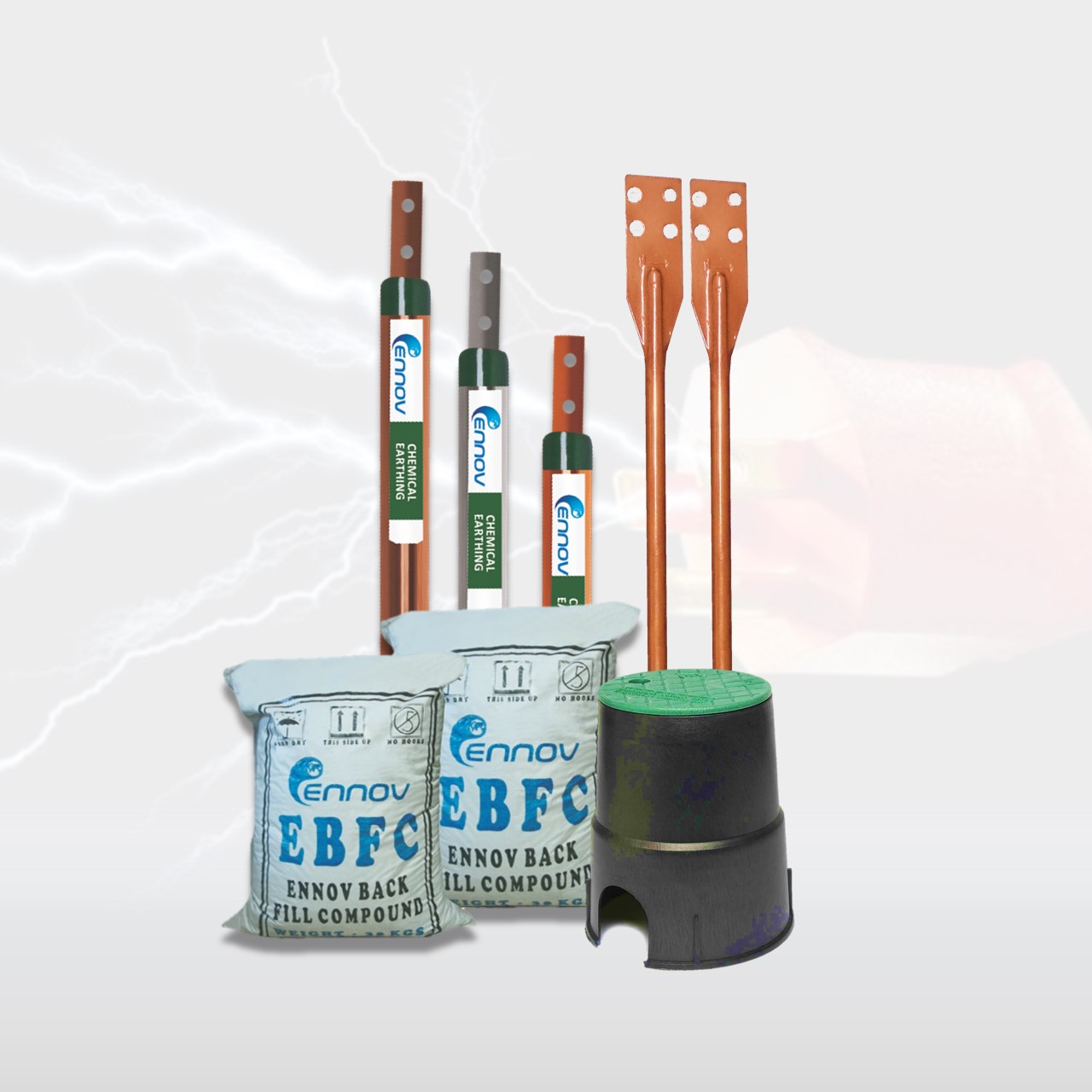
• For high-resistance soil, use chemical earthing with conductive compounds.
• Apply moisture-retaining backfill compounds like bentonite or graphite.

Adapting to local environmental conditions ensures long-term efficiency.

Common Mistake 10: Lack of Professional Supervision and Standards Compliance

Improper installation by unqualified personnel is one of the most significant contributors to faulty earthing and bonding systems. Non-compliance with standards can lead to hazardous installations that fail under fault conditions.

How to Avoid It:

• Engage certified electrical engineers for design and installation.
• Ensure compliance with national and international standards (IS, IEC, IEEE).
• Regularly audit and inspect installations to ensure ongoing compliance.

Professional oversight guarantees that systems are both safe and effective.

Ensuring Reliable Performance with LES Ecotonik System — A Trusted Earthing & Bonding Manufacturer in Jaipur

As a reputed Earthing & Bonding Manufacturer in Jaipur, LES Ecotonik System understands the critical role of grounding in electrical safety. Their advanced products are engineered to deliver stable, low-resistance earthing that meets international performance standards.

LES Ecotonik System’s solutions include high-conductivity earth electrodes, maintenance-free earthing kits, and durable bonding accessories—each designed for optimal safety and longevity. Whether for residential, industrial, or commercial projects, their systems ensure dependable fault protection with minimal maintenance.

Innovation and Quality by LES Ecotonik System in Earthing Solutions

What sets LES Ecotonik System apart is its dedication to innovation and quality. The company employs cutting-edge technology to manufacture corrosion-resistant materials, ensuring low resistance and consistent performance even in harsh conditions.

Each product undergoes rigorous quality testing to ensure compliance with IS 3043, IEC 62561, and IEEE standards. By integrating quality materials and precision engineering, LES Ecotonik System provides customers with lasting solutions that eliminate common grounding errors and performance issues.

Why Choose LES Ecotonik System — The Leading Earthing & Bonding Manufacturer in Jaipur

Choosing LES Ecotonik System , a trusted Earthing & Bonding Manufacturer in Jaipur, ensures that your electrical installations are protected by systems designed for reliability, safety, and long-term performance. Their products not only meet regulatory standards but also deliver value through reduced maintenance, extended lifespan, and superior protection.

For industries that cannot afford downtime or safety lapses, LES Ecotonik System’s earthing and bonding solutions are the foundation of secure electrical operations.

Final Thoughts

Mistakes in earthing and bonding can have devastating consequences, from electrical failures to life-threatening hazards. By understanding and avoiding these common errors—such as poor design, corrosion, improper connections, and lack of testing—organizations can achieve safer, more efficient electrical systems.

Partnering with an expert like LES Ecotonik System, a leading Earthing & Bonding Manufacturer in Jaipur ensures that your grounding solutions are designed and built with precision, safety, and compliance in mind. Investing in quality earthing and bonding isn’t just a technical decision—it’s a commitment to safety, reliability, and long-term cost savings for every electrical system.

The Cost Benefits of Investing in Quality Lightning Arresters

Best Lightning Arrester Supplier in Noida

The Cost Benefits of Investing in Quality Lightning Arresters

Introduction

When it comes to protecting infrastructure, electrical systems, and sensitive equipment from sudden surges, lightning arresters stand as the first line of defense. In areas prone to thunderstorms or unpredictable weather patterns, the financial losses due to lightning strikes can be massive. While some businesses hesitate to invest in premium-quality lightning arresters due to their initial cost, the long-term savings and protection they provide make them an indispensable component of electrical safety systems.

This blog explores in detail how high-quality lightning arresters contribute to cost efficiency, asset protection, and operational stability—making them one of the smartest investments for industries, commercial facilities, and even residential projects.

Understanding Lightning Arresters and Their Role

A lightning arrester is a crucial device designed to protect electrical systems from lightning-induced voltage spikes. Installed at strategic points within a power or communication system, it redirects high-voltage surges safely into the ground, ensuring that the connected equipment remains unharmed.

When a lightning strike occurs, the arrester provides a low-resistance path for the surge current to flow into the earth. Once the surge passes, it quickly returns to its insulating state, allowing normal current flow to resume. This simple yet powerful function helps prevent fires, electrical damage, and equipment breakdowns caused by transient overvoltages.

The Economic Impact of Lightning Damage

Lightning strikes cause billions of dollars in damages every year worldwide. Industries, manufacturing facilities, data centers, and even households are vulnerable. Damages can manifest in various ways, including:

Equipment failure: Sensitive electronics, control panels, and communication devices often fail after a surge.

Production downtime: Interrupted operations can lead to significant revenue loss, especially in manufacturing or IT sectors.

Repair and replacement costs: Fixing or replacing damaged components is often far more expensive than preventive protection.

Safety hazards: Damaged electrical systems can lead to fires or injuries, adding to liability costs.

When considering these risks, investing in a high-quality lightning arrester appears not as an optional expense but as a financial safeguard.

Why Quality Matters in Lightning Protection

Not all lightning arresters are created equal. The performance of a lightning arrester depends on its design, materials, and ability to respond to surges effectively. Substandard devices may fail to withstand large surges, degrade quickly, or lose their protective properties over time.

A quality lightning arrester offers:

High surge handling capacity: Ensures the system can withstand multiple high-energy strikes.

Durability and longevity: Quality materials resist corrosion, temperature variation, and environmental degradation.

Consistent performance: Maintains reliable protection even under varying operating conditions.

Minimal maintenance: Reduces operational costs in the long run.

Investing in a durable, tested arrester may seem expensive upfront, but it drastically reduces repair and replacement costs over the system’s lifespan.

The True Cost of Low-Quality Lightning Arresters

Choosing cheaper, low-quality arresters often leads to hidden expenses over time. The following are common cost traps:

Frequent replacements: Inferior materials degrade faster, requiring more frequent maintenance or replacement.

Incomplete protection: Poor-quality arresters may not handle full surge loads, leaving some equipment vulnerable.

System downtime: Failures during storms can halt operations, leading to unplanned outages and repair costs.

Higher insurance premiums: Repeated claims from lightning damage may increase business insurance costs.

Therefore, the cheaper option at the purchase stage often becomes the more expensive choice over time.

Long-Term Savings with Quality Lightning Arresters

A premium lightning arrester provides measurable long-term economic benefits:

Reduced maintenance costs: Durable arresters need less frequent inspections and part replacements.

Prevention of downtime: Protecting against power interruptions ensures continuous operation.

Increased equipment lifespan: Avoiding repeated surge exposure prolongs the life of electrical systems.

Energy efficiency: Quality arresters maintain steady voltage levels, contributing to efficient power use.

Enhanced ROI: The protection they provide ensures that expensive systems, such as transformers, control units, and communication networks, remain functional for years.

Over a 10- to 15-year period, the cost of a high-quality arrester is often negligible compared to the financial protection it provides.

Supporting Sustainable Infrastructure

Another overlooked aspect of quality lightning protection is sustainability. By preventing equipment failures and reducing waste from burnt-out electrical systems, industries indirectly contribute to environmental conservation. Preventing unnecessary replacements also minimizes raw material usage and energy consumption associated with manufacturing and logistics.

Moreover, advanced lightning arresters today are designed with eco-friendly materials and recyclable components, aligning with global green manufacturing standards. Thus, quality arresters are not just cost-effective—they are environmentally responsible.

Key Industries That Benefit from Reliable Lightning Protection

The application of lightning arresters spans across multiple sectors. Some industries that experience the most significant benefits include:

Energy and Power: Protects substations, transformers, and transmission lines.

Telecommunications: Safeguards signal towers and data centers.

Manufacturing: Prevents disruptions to automated production systems.

Oil and Gas: Protects field equipment from remote lightning strikes.

Residential and Commercial Buildings: Ensures safety and power stability for sensitive home and office electronics.

In each of these cases, a single surge can cost millions in damages, making a robust lightning protection system indispensable.

Key Factors to Consider Before Investing

Before purchasing a lightning arrester, several factors must be evaluated to ensure maximum efficiency and cost savings:

System voltage rating: The arrester should match the system’s operating voltage.

Energy absorption capacity: Higher energy-handling capacity ensures better surge protection.

Environmental resistance: For outdoor installations, materials must resist UV, humidity, and pollution.

Certifications: Choose arresters that comply with international safety and performance standards such as IEC 60099-4.

Manufacturer reputation: Always choose trusted manufacturers with proven quality assurance.

By considering these aspects, businesses can make a strategic investment that pays off in both safety and long-term savings.

How LES Ecotonik System Ensures Cost Efficiency as a Lightning Arrester Manufacturer in Noida

As a leading Lightning Arrester Manufacturer in Noida, LES Ecotonik System focuses on delivering arresters that combine superior technology with economic value. Each product undergoes rigorous testing to meet international standards for surge protection and energy absorption.

LES Ecotonik System’s arresters are designed to perform efficiently in India’s diverse climatic conditions, ensuring maximum reliability with minimal maintenance costs. Their advanced materials and production methods result in arresters that last longer and protect better—translating into tangible financial benefits for every user.

Technological Innovation and Testing Excellence by LES Ecotonik System

LES Ecotonik System continually invests in innovation to ensure that its lightning arresters are not only robust but also efficient and sustainable. The company employs advanced simulation tools and test benches to verify performance under extreme surge conditions.

This commitment to excellence ensures that every arrester delivers consistent protection across its lifespan—reducing replacement frequency, repair expenses, and overall system downtime. Clients benefit not just from high-quality protection but also from predictable maintenance costs and long-term reliability.

Why Choose LES Ecotonik System for Reliable Protection Solutions

When industries in Noida and beyond seek durable, cost-effective lightning protection, LES Ecotonik System stands as a trusted partner. As a reputed Lightning Arrester Manufacturer in Noida, the company combines technical expertise, innovation, and ethical manufacturing to deliver unmatched product value.

Their lightning arresters ensure that businesses don’t just save money—they gain peace of mind, operational stability, and a safer working environment.

FINAL THOUGHTS

In today’s unpredictable environment, investing in quality lightning arresters is a financial and operational necessity. The long-term cost savings, reduced downtime, and equipment protection they offer far outweigh the initial expenditure. Businesses that prioritize quality over short-term savings enjoy years of uninterrupted productivity and safety.

With industry leaders like LES Ecotonik System, a trusted Lightning Arrester Manufacturer in Noida you gain more than just surge protection—you gain an assurance of reliability, sustainability, and financial prudence. When every second of uptime matters, choosing the right arrester is not just a technical decision; it’s a strategic investment in your organization’s success.

Types of Devices Produced by Surge Protection Device Manufacturers

Top Earthing & Bonding Manufacturer in Pune

Types of Devices Produced by Surge Protection Device Manufacturers

industrial operations. However, with this dependence comes vulnerability. Power surges — sudden spikes in voltage — pose a serious threat to sensitive equipment, potentially leading to malfunction, data loss, downtime, and even fire hazards. This is where surge protection devices (SPDs) come into play. Surge protection devices are engineered to safeguard electrical systems and electronic appliances from these unpredictable voltage spikes. By redirecting excess energy safely to the ground, SPDs ensure continuity, reliability, and safety in both residential and industrial applications. But not all SPDs are created equal — manufacturers design a wide range of devices, each tailored to a specific use case. This blog explores the various types of devices produced by surge protection device manufacturers, highlighting their role in different sectors, and why choosing the right device is critical for long-term safety and performance.

Understanding the Basics of Surge Protection

Before diving into the types of devices, it’s important to understand what a surge is. A power surge occurs when the flow of electricity is suddenly interrupted and then starts again, or when something sends electricity flowing back into the system. Common causes include:

  • Lightning strikes
  • Switching operations in power grids
  • Faulty wiring or overloaded circuits
  • Sudden equipment start-ups and shutdowns

SPDs detect these surges and divert the excess energy into the grounding system. Without them, sensitive equipment could sustain irreparable damage.

Key Categories of Surge Protection Devices

Surge protection devices can be classified into different types based on their application, design, and installation point in the electrical system. Below are the most common categories produced by manufacturers.

1. Type 1 Surge Protection Devices

Type 1 SPDs are installed at the service entrance of a building, directly between the utility pole and the main electrical panel. They are designed to withstand direct lightning strikes and are the first line of defense.

Applications: Industrial facilities, high-rise buildings, residential complexes in lightning-prone areas.

Features:

  • Withstand high surge currents.
  • Typically used in conjunction with Type 2 devices for layered protection.

2. Type 2 Surge Protection Devices

Type 2 SPDs are installed at the distribution level, inside sub-panels or distribution boards. They protect electrical systems and connected devices from residual surges that bypass Type 1 protection or originate from within the system itself.

Applications: Commercial buildings, hospitals, schools, data centers.

Features:

  • Protects against surges caused by switching operations.
  • Ensures sensitive equipment like computers, servers, and medical devices are safe.

3. Type 3 Surge Protection Devices

Type 3 SPDs are installed close to sensitive loads, often directly at the outlet or equipment connection point. These are considered the “last line of defense” against surges.

Applications: Home appliances, office electronics, communication systems.

Features:

  • Protects against low-level surges.
  • Often integrated into power strips and plug-in adapters.

4. Data and Signal Line Surge Protectors

While most surges travel through power lines, others can enter via communication and data lines. Manufacturers produce specialized SPDs to safeguard telephone systems, internet cables, coaxial cables, and industrial data lines.

Applications: Telecommunication towers, IT infrastructure, broadcasting facilities.

Features:

  • Prevent data loss and equipment malfunction.
  • Essential for industries where uninterrupted communication is critical.

5. DC Surge Protection Devices

As renewable energy systems like solar and wind power gain popularity, the demand for DC surge protection has surged. These devices are designed to protect photovoltaic panels, inverters, and battery storage systems from transient overvoltages.

Applications: Solar power plants, electric vehicle charging stations, battery systems.

Features:

  • Specifically engineered for DC circuits.
  • Withstand environmental stresses such as heat and UV exposure.
6. Industrial-Grade Surge Protectors

Industries with heavy machinery and automation systems require robust SPDs capable of handling higher loads and ensuring uninterrupted operations.

Applications: Manufacturing plants, refineries, logistics hubs.

Features:

  • Rugged construction.
  • Advanced monitoring systems for predictive maintenance.
7. Custom Surge Protection Devices

Some industries have unique requirements that off-the-shelf SPDs cannot meet. Manufacturers also produce customized solutions tailored to specific voltage ranges, environments, or equipment configurations.

Applications: Military facilities, aerospace systems, specialized medical equipment.

Features:

  • High precision.
  • Designed for mission-critical operations.
Why Multiple Types of Devices Are Necessary

Power surges can enter and affect a system at multiple points. This is why manufacturers recommend a layered protection approach — using Type 1 at the service entrance, Type 2 at distribution panels, and Type 3 near sensitive equipment. This ensures comprehensive defense against both external and internal surges. Additionally, with the rise of smart homes, IoT devices, and renewable energy integration, it is no longer enough to rely on a single form of protection. A combination of AC, DC, and data line SPDs is now essential for safety and efficiency.

Trends in Surge Protection Device Manufacturing

Manufacturers are increasingly adopting advanced technologies and sustainable practices in SPD production. Some notable trends include:

  • Smart SPDs: Integration of IoT technology to monitor surge activity in real-time.
  • Eco-Friendly Designs: Use of recyclable materials and energy-efficient production methods.
  • Compact Solutions: Miniaturized devices for modern electronics without compromising performance.
  • High-Reliability Standards: Compliance with global safety certifications like IEC 61643 and UL 1449.

These advancements not only improve the efficiency of SPDs but also ensure they remain relevant in evolving energy landscapes.

Choosing the Right Surge Protection Device Manufacturer

When selecting a surge protection device, the quality and expertise of the manufacturer play a vital role. Reliable manufacturers prioritize safety, durability, and compliance with global standards. They also provide after-sales support, customization options, and training to ensure optimal usage.

Why LES Ecotonik System Stands Out as a Surge Protection Device Manufacturer in Noida

LES Ecotonik System has established itself as a trusted Surge Protection Device Manufacturer in Noida, offering a wide range of products designed for both standard and specialized applications. With a focus on research-driven innovation, the company delivers SPDs that meet international safety norms while addressing industry-specific challenges.

Innovative Solutions from LES Ecotonik System

As a reputed Surge Protection Device Manufacturer in Noida, LES Ecotonik System emphasizes quality, reliability, and customer-centric design. Their products cater to residential, commercial, and industrial sectors, ensuring safety from transient overvoltages. By combining advanced materials with modern manufacturing techniques, they provide devices that last longer and perform under extreme conditions.

Partnering with LES Ecotonik System for Reliable Surge Protection

Businesses and households alike benefit from partnering with a professional Surge Protection Device Manufacturer in Noida like LES Ecotonik System. Their expertise, coupled with continuous product development, ensures that clients receive cutting-edge surge protection tailored to their needs.

Take away

Surge protection devices are more than optional accessories — they are essential components of modern electrical infrastructure. With increasing reliance on sensitive electronics, renewable energy, and data-driven systems, the role of SPDs has never been more important. From Type 1 service entrance protectors to specialized data line and DC surge protectors, manufacturers play a crucial role in safeguarding equipment and lives. LES Ecotonik System, a leading Surge Protection Device Manufacturer in Noida exemplifies how innovation, reliability, and customer focus can create long-lasting solutions for today’s challenges. For industries, businesses, and homeowners seeking peace of mind, investing in the right SPDs from trusted manufacturers is not just a choice — it’s a necessity.

Modern Materials Used by Lightning Arrester Manufacturers

trusted Earthing & Bonding Manufacturer in Pune

Introduction

Lightning is a powerful natural phenomenon capable of causing massive damage to structures, electrical systems, and human lives. To mitigate these risks, lightning arresters are installed in residential, commercial, and industrial infrastructures. These devices serve as the first line of defense, channeling high-voltage surges safely to the ground. But what makes lightning arresters effective is not only their design but also the modern materials used in their manufacturing.

The shift from traditional copper rods to advanced composites, polymers, and alloys has transformed lightning protection. Modern materials not only improve efficiency but also enhance durability, reduce maintenance, and adapt to diverse environmental conditions.

This blog explores the latest materials used by lightning arrester manufacturers, why they matter, and how they contribute to building safer power systems and infrastructures.

Evolution of Lightning Arresters

The concept of lightning protection goes back to the 18th century when Benjamin Franklin introduced the lightning rod. Early systems relied heavily on pure copper and galvanized iron rods. While effective at conducting current, these materials faced long-term challenges like corrosion, wear, and inefficiency in high-frequency surges.

Today’s lightning arresters are much more advanced, integrating composite insulators, polymer housings, zinc oxide elements, and advanced alloys. These innovations allow for better conductivity, minimal leakage currents, and superior performance even under extreme conditions.

Key Materials Used in Modern Lightning Arresters

1. Zinc Oxide (ZnO) Blocks

One of the most revolutionary additions in lightning arresters is the use of zinc oxide blocks as the core material in surge-diverting elements.

High Nonlinear Resistance: Allows the arrester to block normal voltage while instantly conducting surge currents.

Improved Reliability: Unlike silicon carbide, zinc oxide provides better energy absorption and reduced power losses.

Compact Design: Enables smaller, lighter arresters without compromising safety.

2. Copper and Copper Alloys

Copper remains a primary conductor in lightning protection systems due to its exceptional conductivity.

High Conductivity: Ensures safe dissipation of lightning surges.

Alloying Benefits: Copper alloys offer improved resistance to corrosion and mechanical stress.

Flexibility: Ideal for grounding wires and connections.

3. Aluminum and Aluminum Alloys

Aluminum has emerged as a cost-effective and lightweight alternative.

Lightweight: Reduces structural load, especially in high-rise applications.

Corrosion Resistance: Suitable for coastal and humid regions.

Ease of Handling: Easier to transport and install compared to heavier metals.

4. Composite Insulators

Instead of porcelain, many modern lightning arresters now use composite polymer insulators.

Shatter-Resistant: Unlike porcelain, they do not crack under stress.

Lightweight and Flexible: Reduces transportation and installation costs.

Superior Weather Resistance: Performs well in polluted and coastal areas.

5. Silicone Rubber Housings

Silicone rubber is commonly used as the outer sheath for lightning arresters.

Hydrophobic Properties: Water droplets bead off instead of forming conductive films.

Long-Term Durability: Resistant to UV radiation, ozone, and pollution.

Low Maintenance: Reduces cleaning frequency compared to porcelain housings.

6. Stainless Steel Components

Fasteners, fittings, and connectors are often made of stainless steel.

Corrosion Resistance: Essential for outdoor installations.

Mechanical Strength: Withstands wind, vibration, and mechanical stress.

Long Life: Extends arrester lifespan with minimal wear.

Advantages of Using Modern Materials

The adoption of advanced materials in lightning arrester manufacturing offers several critical benefits:

Extended Lifespan: Materials like silicone rubber and zinc oxide increase service life.

High Energy Handling: Modern arresters can absorb higher surge currents without damage.

Low Maintenance: Polymer housings reduce the need for regular cleaning and upkeep.

Eco-Friendly Alternatives: Composite and recyclable materials support sustainable construction.

Cost Efficiency: Reduced failures and longer lifespans lower total ownership costs.

Applications of Advanced Lightning Arresters

Modern lightning arresters find applications across multiple sectors, including:

Residential Buildings: Protecting home electrical systems.

Industrial Plants: Safeguarding machinery and production lines.

Telecommunication Towers: Preventing surges in sensitive equipment.

Power Grids and Substations: Ensuring grid stability and preventing widespread outages.

Renewable Energy Systems: Protecting wind turbines and solar power plants from surge damage.

Future Trends in Lightning Arrester Materials

The industry continues to evolve, with research focused on creating smarter and more resilient systems.

Nanotechnology: Nano-coatings for improved conductivity and resistance.

Smart Arresters: Materials embedded with IoT sensors for real-time monitoring.

Eco-Materials: Sustainable polymers to reduce environmental impact.

Hybrid Alloys: Combining the best properties of copper, aluminum, and composites.

Importance of Choosing the Right Manufacturer

While advanced materials play a significant role, their performance depends heavily on the expertise of the manufacturer. Trusted manufacturers ensure:

Strict Quality Control: Each arrester is tested for compliance with international standards.

Material Authenticity: Use of certified and durable materials.

Customization: Solutions tailored to specific environments and applications.

After-Sales Support: Guidance on installation, maintenance, and replacement.

Growing Demand for Lightning Arrester Manufacturer in Kolkata

As urban infrastructure expands, the need for robust lightning protection systems in Kolkata is higher than ever. Power plants, residential complexes, IT parks, and industrial zones rely on effective solutions to safeguard operations. The growing demand for a trusted Lightning Arrester Manufacturer in Kolkata reflects the city’s focus on safety, resilience, and sustainability.

Why LES Ecotonik System Leads as a Lightning Arrester Manufacturer in Kolkata

When it comes to innovation, reliability, and advanced material usage, LES Ecotonik System stands out as a leading Lightning Arrester Manufacturer in Kolkata. Their solutions integrate the latest technologies, including zinc oxide varistors, polymer housings, and eco-friendly designs, ensuring maximum protection with minimal maintenance. With a focus on durability and compliance, they provide tailored solutions for residential, commercial, and industrial applications.

Final Thoughts: Partnering with LES Ecotonik System for Safer Tomorrow

Modern materials have revolutionized lightning arrester technology, making systems more efficient, durable, and sustainable. From zinc oxide blocks to silicone rubber housings, these innovations ensure that structures and electrical networks remain protected against nature’s most unpredictable force.

Choosing the right Lightning Arrester Manufacturer in Kolkata crucial for ensuring safety and long-term reliability. With its expertise, advanced materials, and commitment to excellence, LES Ecotonik System delivers lightning protection solutions that safeguard homes, industries, and entire communities. By partnering with such trusted manufacturers, we move toward a safer, more resilient tomorrow.