
Common Misconceptions About Surge Protection Devices

 Surge Protection Manufacturer in delhi

Common Misconceptions About Surge Protection Devices

INTRODUCTION

In today’s increasingly electrified world, the demand for safe, consistent, and reliable power is higher than ever. We rely on sophisticated electronic devices in our homes, offices, factories, and data centers to maintain the smooth flow of work, entertainment, and security. Yet despite their critical role, these devices are under constant threat from one of the most unpredictable hazards in the electrical ecosystem: power surges. Power surges can be triggered by anything from lightning strikes and grid switching to equipment failures and even internal building wiring issues. That’s why surge protection devices (SPDs) have become indispensable in modern electrical systems. However, there are still widespread myths and misconceptions about SPDs what they do, how they work, and what level of protection they offer. This comprehensive guide will break down these misconceptions and help you better understand surge protection devices, ensuring your electrical infrastructure stays resilient and secure.

Why Surge Protection Matters

Let’s begin with the basics. A power surge is a sudden, brief increase in voltage that can damage or destroy electrical equipment. These surges can occur in milliseconds, with voltages spiking far beyond what a device is designed to handle.

Without proper surge protection, even a minor surge can:

  • Permanently damage sensitive electronics
  • Disrupt critical operations
  • Lead to costly repairs and downtime
  • Compromise safety

As we connect more sensitive electronics to the power grid, from computers to smart home devices, surge protection becomes a foundational element of electrical safety.

How Surge Protection Devices Work

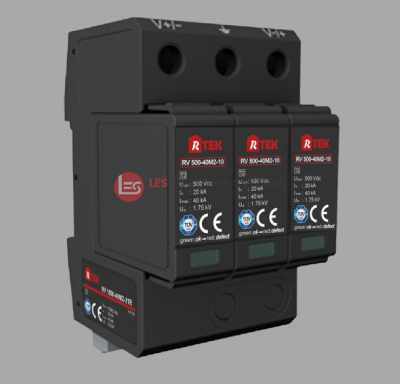
An SPD works by diverting excess voltage away from your equipment and safely grounding it before it causes harm. These devices respond almost instantly, clamping down the surge to a safer level that your equipment can handle. SPDs are not all the same; they come in multiple classes and configurations to handle different types of surges, from massive lightning-induced events to smaller transients caused by switching heavy machinery.

Misconception #1: “I Only Need Surge Protection for Lightning”

A common myth is that surge protection is only needed in areas prone to lightning strikes. While lightning is indeed a powerful cause of surges, studies show that the majority of damaging surges actually come from internal sources within the building itself.

For example:

  • Switching large motors on and off
  • Elevators and HVAC equipment
  • Faulty wiring
  • Malfunctioning appliances

These internal surges can be just as destructive as lightning. Hence, comprehensive surge protection is critical even if you live in a region with low lightning risk.

Misconception #2: “My Circuit Breaker Protects Against Surges”

Another frequent misconception is that a standard circuit breaker can protect equipment from surges. Circuit breakers are designed to protect against overcurrent — in other words, they trip when the current exceeds safe levels over a period of time. However, a surge is a momentary overvoltage, often lasting microseconds. Circuit breakers cannot respond fast enough to stop these fast transients. Only a properly designed SPD can do that.

Misconception #3: “One Surge Protector for the Whole Building Is Enough”

Some people believe a single surge protector installed at the main panel will protect their entire building. While a whole-building SPD is vital, it is only the first layer of defense. Sensitive equipment, such as computers and medical devices, may need point-of-use SPDs for localized protection. Think of surge protection like a team sport where each layer supports the others. Combining panel-level devices with plug-in protectors ensures no vulnerable equipment is left exposed.

Misconception #4: “Surge Protectors Last Forever”

Many assume surge protection devices work indefinitely. In truth, SPDs degrade over time. Each time they divert a surge, they experience a small amount of wear. Eventually, their components, typically metal oxide varistors (MOVs) will lose effectiveness. A good SPD includes an indicator light or monitoring system to show whether it is still operational. Regular inspection and scheduled replacement are essential to keep your protection system reliable.

Misconception #5: “All Surge Protectors Are the Same”

Not all SPDs are created equal. Differences exist in:

  • Surge current capacity
  • Response time
  • Standards compliance (such as UL 1449 or IEC 61643)
  • Durability
  • Installation requirements

It is crucial to select a surge protection device suited to your particular risk profile and installation environment. A residential surge protector will not meet the needs of a large industrial facility, for instance.

Misconception #6: “If I Have an SPD, I Don’t Need Grounding”

Some believe that surge protection alone will solve all power quality issues. In reality, surge devices rely on proper grounding to function correctly. If your grounding system is inadequate or faulty, an SPD cannot safely discharge a surge, leaving your equipment at risk. Always pair surge protection with a well-designed, code-compliant grounding and bonding system.

Misconception #7: “Plug-In Strips Are Enough for Surge Protection”

Cheap plug-in surge strips sold at electronics stores provide minimal protection and are not a substitute for professional-grade surge protection. These devices may handle small, routine surges but cannot withstand high-energy events like a major lightning strike.

A robust surge protection strategy should include:

  • Service entrance surge protectors
  • Sub-panel SPDs
  • Dedicated protectors for mission-critical equipment

This multi-layered defense is the only reliable way to protect your facility.

Misconception #8: “Surge Protection Only Matters for Computers”

Another outdated view is that surge protection is only needed for computers or servers. Today, everything from LED lighting to home appliances includes sensitive microprocessors. Even your smart refrigerator is vulnerable to transient overvoltages. Modern living means everything runs on electronics, and everything needs protection.

The Role of Surge Protection Device Manufacturers in Setting Standards

As demand for surge protection grows, so does the importance of working with a reputable Surge Protection Device manufacturer that follows global standards and safety codes. Manufacturers who invest in research, testing, and quality assurance help advance the reliability and effectiveness of SPDs across industries. They not only develop devices but also provide guidance on proper installation and maintenance, which is crucial for achieving optimal performance.

How LES Ecotonik System Empowers Safer Installations

LES Ecotonik Systems, a trusted name among Surge Protection Device manufacturers, goes beyond just supplying hardware. They build educational awareness, offer best-practice training, and support customers in understanding how to integrate surge protection devices correctly within their electrical systems. From residential projects to massive industrial plants, LES Ecotonik System’s solutions deliver exceptional resilience and ensure that each layer of protection is working as designed. Their team emphasizes not just products but also consultation and design support, adding a valuable dimension to safety planning.

Choosing a Surge Protection Device Manufacturer You Can Trust

Selecting the right Surge Protection Device manufacturer is vital for anyone serious about power quality and safety. With partners like LES Ecotonik System, you gain confidence that your protection strategy is rooted in best practices and cutting-edge innovation.

When you work with a reputable manufacturer, you benefit from:

  • Certified products that meet stringent global standards
  • Technical support during installation and after-sales service
  • Access to the latest surge protection technology
  • Long-term performance and reliable safety

This is a key investment in protecting not just equipment, but also operational continuity and human safety.

Conclusion
Rely on Expertise, Not Assumptions

The world of surge protection is far more complex than many people realize. Outdated myths can leave your infrastructure dangerously exposed. A strong understanding of what surge protection devices truly do and what they don’t is essential for keeping your assets safe. By partnering with an expert Surge Protection Device manufacturer like LES Ecotonik System, you gain the insights, tools, and support needed to build a comprehensive, layered defense against surges. Don’t leave your valuable systems to chance; invest in knowledge, proven solutions, and quality partners for a more secure electrical environment today.
Why Commercial Complexes Should Invest in Lightning Protection Devices

Lightning Arrester Manufacturer in Delhi

Why Commercial Complexes Should Invest in Lightning Protection Devices

INTRODUCTION

In today’s fast-paced world, where commercial buildings have become the nerve centers of economic activity, ensuring safety and operational continuity is a top priority. These complexes, ranging from shopping malls and office towers to tech parks and industrial hubs, are often built with advanced architecture, host expensive electronic systems, and accommodate large volumes of people daily. Yet one of the most underestimated risks to their infrastructure remains a force of nature: lightning.

Lightning strikes can unleash destructive surges of electricity, damaging buildings, disrupting business operations, and endangering lives. As climate patterns shift and extreme weather becomes more frequent, the importance of lightning protection systems in commercial infrastructure has become a crucial consideration, not a mere afterthought.

This blog takes a deep dive into why commercial complexes must prioritize investment in lightning protection devices, exploring the science behind lightning strikes, the vulnerabilities of modern infrastructure, and the long-term benefits of proactive protection.

Understanding Lightning Strikes and Their Threat

Lightning is a powerful natural phenomenon generated by imbalances between storm clouds and the ground, or within the clouds themselves. When the electrical potential becomes too great, a discharge occurs—commonly known as a lightning strike.

The typical lightning bolt carries around 30,000 to 50,000 amps of electric current, temperatures hotter than the sun’s surface, and can travel at speeds over 200,000 mph. These figures are not just impressive—they’re incredibly dangerous, especially when it comes to buildings and infrastructure.

Key Risks of Lightning Strikes to Commercial Complexes:

Structural Damage: A direct hit can fracture concrete, explode bricks, or ignite fires.

Power Surges: Indirect strikes can travel through wiring and plumbing, damaging electronics and appliances.

Data Loss: In commercial environments relying on digital infrastructure, a strike can wipe out essential records and operational systems.

Operational Downtime: Businesses can lose hours, days, or even weeks in the aftermath of a major strike.

Injury or Death: Human safety is the greatest concern, especially in densely populated buildings.

Why Commercial Complexes Are Particularly Vulnerable

1. Tall Structures and Metallic Components

Most commercial buildings are significantly taller than residential homes, increasing their chances of being struck. Additionally, they often incorporate metallic elements like air-conditioning ducts, communication antennas, steel supports, and elevators—all of which can act as conductors for lightning energy.

2. High Concentration of Electronics

Modern commercial complexes house everything from HVAC systems and industrial machinery to surveillance equipment and data servers. These electronic systems are sensitive to power surges and even a mild indirect strike can result in irreversible damage.

3. Multiple Entry Points for Energy Surges

Electricity doesn’t always enter a building directly through the roof. Surges can travel through utility lines, phone lines, internet cables, and plumbing systems. A lightning protection system must therefore be comprehensive, accounting for all potential paths.

4. Increased Human Footfall

Office buildings, malls, hospitals, and schools witness a high number of daily visitors and workers. Any lightning-related incident that causes injury or panic can have legal, reputational, and financial consequences.

5. Mission-Critical Operations

Some commercial spaces like data centers, broadcast stations, and financial institutions require uninterrupted operation. Even a momentary outage can lead to massive losses, reinforcing the need for a fail-proof lightning defense.

Anatomy of an Effective Lightning Protection System

A professionally designed lightning protection system doesn’t just divert lightning away from the building; it ensures that the electrical energy is safely discharged into the ground without affecting the infrastructure or its occupants.

1. Air Terminals (Lightning Rods)

These are metal rods strategically placed at the highest points of a building. Their role is to intercept lightning before it can hit vulnerable parts of the structure.

2. Conductors

Conductors are thick copper or aluminum cables that connect air terminals to the grounding system. They provide a low-resistance path for lightning to follow.

3. Grounding Electrodes

Ground rods or grounding plates buried in the soil provide the final destination for the lightning current. Proper grounding ensures the safe dispersion of energy into the Earth.

4. Surge Protection Devices (SPDs)

Installed at electrical service entrances, SPDs prevent voltage spikes from harming the internal electrical infrastructure. They are essential for protecting electronics, elevators, and fire safety systems.

5. Bonding System

All metallic elements of the building (pipes, ducts, equipment) are interconnected to eliminate potential voltage differences during a strike, preventing dangerous arcing.

Regulatory Compliance and Safety Standards

Many regions have building codes or safety regulations that require lightning protection systems for commercial and public infrastructure. Standards such as IEC 62305, NFPA 780, and IS/IEC 62305 define the design, installation, and maintenance requirements for these systems.

Non-compliance not only puts businesses at risk but also exposes them to legal liabilities and insurance complications. Insurance providers may even deny claims if adequate lightning protection measures weren’t in place during an incident.

The Economic and Strategic Benefits of Lightning Protection

1. Asset Protection

From machinery and servers to interior finishes, the cost of replacing damaged equipment can be astronomical. A one-time investment in lightning protection shields these assets effectively.

2. Business Continuity

Minimizing downtime means your operations remain uninterrupted, avoiding revenue loss and customer dissatisfaction.

3. Insurance Savings

Many insurers offer reduced premiums for buildings equipped with certified lightning protection systems.

4. Enhanced Reputation

Investing in safety measures demonstrates your brand’s commitment to employee and visitor well-being, improving trust and brand image.

5. Sustainability and Resilience

Lightning protection contributes to a building’s resilience strategy, an increasingly important factor in environmental, social, and governance (ESG) reporting.

Choosing the Right Lightning Arrester Manufacturer for Your Project

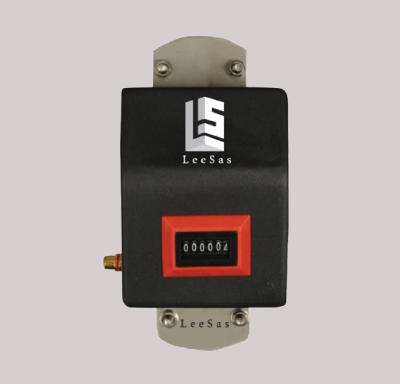
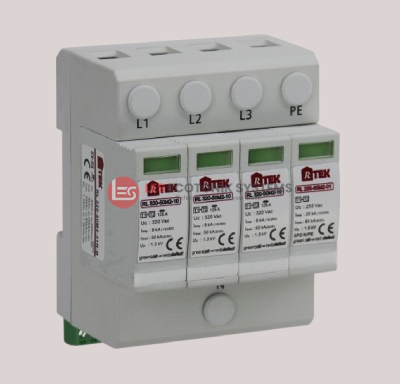
When implementing a lightning protection strategy, sourcing high-quality components from a reliable Lightning Arrester Manufacturer is crucial. A substandard arrester can fail under extreme voltage conditions, compromising the entire protection system.

An experienced Lightning Arrester Manufacturer provides more than just products—they offer expertise in customizing systems based on building specifications, location risk levels, and operational needs.

LES Ecotonik System: Trusted Lightning Arrester Manufacturer for Commercial Infrastructure

Among the most respected names in the industry, LES Ecotonik System stands out as a trusted Lightning Arrester Manufacturer offering cutting-edge solutions tailored for commercial applications. With a commitment to innovation and compliance, LES Ecotonik system ensures that every product meets rigorous national and international standards.

Their lightning arresters are built using high-quality materials and advanced manufacturing techniques to ensure durability, fast response times, and minimal maintenance. Whether it’s a skyscraper in an urban hub or a sprawling industrial park, LES Ecotonik System offers scalable and efficient lightning protection devices for all kinds of commercial complexes.

Why Choose LES Ecotonik System as Your Lightning Arrester Partner?

Custom Engineering: Every lightning protection system is tailored to suit the building’s structure, elevation, and risk profile.

End-to-End Support: From initial consultation and risk assessment to installation guidance and maintenance, LES Ecotonik System is with you at every step.

Certified Compliance: All products meet the highest international standards, ensuring performance, reliability, and safety.

Proven Track Record: With successful installations across commercial sectors, the company has earned a reputation for excellence and trust.

Conclusion

Lightning strikes are unpredictable, but their impact on unprotected infrastructure is devastatingly consistent. For commercial complexes striving to ensure safety, business continuity, and regulatory compliance, investing in a robust lightning protection system is not a luxury—it’s a necessity.

By selecting a reputable Lightning Arrester Manufacturer like LES Ecotonik System, businesses ensure they are not only meeting safety standards but are also safeguarding assets, people, and long-term brand integrity. With advanced products, expert guidance, and a commitment to protection, LES Ecotonik System is your ideal partner in lightning defense.

Why Surge Protection Is Essential in Server Rooms and IT Infrastructure

 Surge Protection Manufacturer

Why Surge Protection Is Essential in Server Rooms and IT Infrastructure

In the digital era, server rooms and IT infrastructure form the backbone of nearly every industry, supporting the seamless flow of information, communications, and operations. These mission-critical systems require uninterrupted performance and reliable uptime, especially as businesses increasingly move towards cloud computing, virtualization, and online services. However, one threat often underestimated by many organizations is electrical surges. Without proper mitigation, voltage spikes can disrupt or destroy sensitive electronic equipment, leading to substantial financial losses, operational downtime, and long-term damage to reputation.

Electrical surges, often transient but powerful, can originate from various sources such as lightning strikes, grid switching, faulty equipment, or internal malfunctions. In environments where servers, data storage devices, routers, and networking equipment are concentrated, even a minor surge can result in cascading failures. That is why implementing robust surge protection strategies is no longer optional; it is absolutely essential.

In this comprehensive discussion, we’ll explore why surge protection should be at the heart of every IT infrastructure strategy, how surges impact sensitive electronics, and the key elements involved in building an effective surge defense mechanism.

The Anatomy of a Power Surge in IT Environments

Power surges are sudden, transient increases in voltage that exceed the standard electrical levels supplied by utility services. While typical electricity in most commercial environments runs at around 230V in India or 120V in North America, surges can elevate voltage levels well beyond safe operational thresholds in fractions of a second.

In IT environments, the threat of power surges comes from multiple fronts:

  • External Sources: Lightning strikes, grid faults, or power station switching can inject sudden bursts of high voltage into electrical systems.

  • Internal Sources: Large equipment cycling on/off (elevators, HVAC systems), faulty wiring, or malfunctioning generators within a building can also create harmful surges.

The consequences of such events can be devastating for sensitive IT systems. Voltage spikes often result in:

  • Damaged Motherboards and Components: Delicate semiconductor parts in servers and routers can fail instantly under excess voltage.

  • Data Corruption: Sudden power disruptions may corrupt critical data during read/write operations.

  • Fire Hazards: Severe surges can generate excessive heat, potentially causing fires in cabling or hardware.

  • Premature Equipment Wear: Even minor repetitive surges degrade the lifespan of IT equipment over time.

Given the cost of modern data servers and network infrastructure, not to mention the invaluable nature of data itself, the need for effective surge protection cannot be overstated.

The Unique Vulnerabilities of Server Rooms and Data Centers

Unlike residential or small office setups, server rooms are environments densely packed with high-value, mission-critical hardware. This concentrated use of electronic devices introduces a unique set of vulnerabilities:

  • High-Density Equipment Layouts: Server rooms typically feature rack-mounted equipment, with servers, switches, routers, and power distribution units (PDUs) installed close together. This close proximity can accelerate the spread of electrical damage from one component to others during a surge event.

  • 24/7 Operational Requirements: Unlike standard office equipment, which may be powered down overnight, servers and data centers operate continuously, leaving them exposed to electrical threats at all times, including during storms or unstable grid conditions.

  • Sensitive Network Interconnectivity: Beyond just power surges, transient voltages can infiltrate through data cabling (Ethernet, coaxial, or fiber optic connections), potentially damaging network ports, switches, and routers critical for operational continuity.

  • Heat Accumulation Risk: Surge events, even brief ones, can contribute to sudden heat spikes in already thermally sensitive environments. Unchecked, these temperature increases can contribute to equipment failure or fire risks.

Understanding these vulnerabilities underscores the importance of proactive surge protection not as an afterthought but as a foundational element of IT infrastructure planning.

Components of an Effective Surge Protection Strategy for IT

Implementing surge protection in server rooms isn’t about a single device or solution. It’s a multilayered approach involving coordinated systems designed to protect against surges at various entry points. Here’s what a comprehensive strategy entails:

  • 1. Service Entrance Protection: Surge protective devices (SPDs) installed at the building’s main power entry point provide the first line of defense against external surges from the utility grid or lightning strikes. These are typically high-capacity SPDs capable of diverting massive amounts of energy to ground before it reaches internal circuits.

  • 2. Distribution Panel Protection: Secondary SPDs should be installed at key distribution panels within the facility. These units handle residual surges that bypass the primary protection at the main service entrance. They safeguard internal circuits that feed critical equipment rooms, ensuring finer levels of protection.

  • 3. Point-of-Use Protection: Sensitive IT hardware, such as servers, storage arrays, and routers, should be equipped with localized protection—often through specialized surge-protected power strips or rack-mounted PDUs with built-in surge protection. These point-of-use devices intercept smaller surges that might otherwise pass through distribution-level SPDs.

  • 4. Data Line Protection: Protecting electrical lines alone isn’t sufficient in a networked environment. Surge protection must extend to data lines, including Ethernet, telephone, coaxial, and even fiber interfaces. Purpose-designed data-line surge arresters prevent voltage transients from damaging network cards, switches, and modems.

  • 5. Grounding and Bonding Systems: An effective surge protection system relies on solid grounding and bonding. Without an adequately designed grounding infrastructure, surge protectors cannot properly divert harmful voltages away from sensitive equipment. Ground loops and floating grounds can compromise the effectiveness of the entire system.

  • 6. Maintenance and Monitoring: Finally, surge protection systems should include features for diagnostics, status monitoring, and scheduled maintenance. Surge devices often degrade with use, especially after handling multiple surge events, making proactive replacement schedules critical.

Financial and Operational Advantages of Surge Protection

Implementing effective surge protection in server rooms goes beyond preventing equipment damage; it also safeguards business continuity. The operational and financial benefits include:

  • Reduced Downtime: Prevents unexpected outages that can halt business processes and result in lost productivity.

  • Extended Equipment Life: Minimizes wear and tear on sensitive IT components, delaying expensive replacements.

  • Data Integrity: Protects against data loss or corruption during power anomalies, ensuring continuity of business-critical applications.

  • Lower Insurance Costs: Some insurers offer premium discounts for facilities employing certified surge protection systems.

  • Regulatory Compliance: Helps businesses meet industry standards for IT resilience and disaster recovery planning.

As businesses increasingly rely on digital platforms and remote operations, the costs associated with IT outages due to electrical surges can far outweigh the investment in preventive measures like surge protection systems.

Why Choose a Trusted Surge Protection Manufacturer?

Given the critical importance of protecting server rooms, selecting a trusted Surge Protection Manufacturer becomes a non-negotiable decision. Low-quality or uncertified surge devices may provide a false sense of security, leaving vital IT infrastructure exposed to catastrophic failures. A trusted Surge Protection Manufacturer ensures that their products are rigorously tested, compliant with international standards (such as IEC or UL ratings), and engineered to handle the unique demands of server rooms and IT environments.

LES Ecotonik System: A Leader Among Surge Protection Manufacturers

When it comes to providing high-quality surge protection solutions for IT and industrial environments, LES Ecotonik System stands out as a preferred choice among discerning clients. As a recognized Surge Protection Manufacturer, LES Ecotonik Systems specializes in developing advanced surge arresters and protective devices tailored to meet the stringent requirements of mission-critical infrastructures. Their products are designed not only for superior protection against high-energy surges but also for reliability, longevity, and ease of integration into modern server rooms. Every solution offered by LES Ecotonik System undergoes thorough testing to ensure dependable performance even under extreme electrical stress.

Advantages of Partnering with LES Ecotonik System for Surge Protection

By choosing LES Ecotonik System as your preferred Surge Protection Manufacturer, businesses gain access to:

  • Advanced Engineering: Precision-designed devices tailored for high-sensitivity IT environments.

  • Custom Solutions: Products can be customized to fit specific operational and environmental challenges.

  • Technical Support: Experienced engineering teams provide comprehensive support from planning to post-installation.

  • Compliance Assurance: All products meet or exceed global safety and performance standards.

With a legacy of excellence, LES Ecotonik System provides peace of mind to organizations that cannot afford disruptions in their IT operations.

Conclusion: Secure Your IT Infrastructure with LES Ecotonik System

In today’s technology-driven world, safeguarding server rooms with robust surge protection is not optional, it’s essential. As businesses grow increasingly reliant on digital systems and continuous connectivity, the cost of overlooking surge protection can be devastating. By partnering with a reputed Surge Protection Manufacturer like LES Ecotonik System, businesses invest in their operational resilience, data integrity, and long-term success. LES Ecotonik System stands ready to protect your critical IT infrastructure from the unpredictable threats of electrical surges, providing comprehensive solutions engineered for performance, reliability, and peace of mind.

Custom CT PT Transformers: When and Why You Need Them

CT PT Transformer manufacturer

Custom CT PT Transformers: When and Why You Need Them

INTRODUCTION

Electricity is the lifeline of modern civilization, and the infrastructure supporting its generation, transmission, and distribution is vast and intricate. At the heart of this system lies a multitude of devices designed to monitor, control, and safeguard the flow of electricity. Among these, CT (Current Transformer) and PT (Potential Transformer) units play a vital role in electrical metering and protection.

While standard CT PT transformers meet the general needs of most applications, industries with specialized energy systems often require custom-designed solutions. But what exactly are CT PT transformers? Why are custom solutions necessary? And when should industries consider investing in them? Let’s explore these questions in detail.

Understanding CT PT Transformers: The Basics

Before diving into the significance of custom CT PT transformers, it is essential to understand the core function of these devices.

  • Current Transformer (CT): Used to measure high current levels in electrical systems by producing a reduced current proportional to the system’s actual current. This allows standard measuring devices and protective relays to safely monitor electrical flow.
  • Potential Transformer (PT): Works similarly but focuses on voltage. PTs reduce high voltages to standardized lower levels for metering and protective relaying.

CTs and PTs are indispensable in ensuring that electrical systems remain safe, efficient, and reliable. They allow industries to monitor electricity usage accurately, implement protective measures, and optimize operational efficiency.

Why Standard Transformers Don’t Always Fit the Bill

The electrical requirements of different industries vary widely. While residential and small commercial spaces might function adequately with standard transformers, larger and specialized industries often face unique challenges. Here’s why:

  • Non-Standard Voltage and Current Ratings: Many industrial setups operate with voltage and current ratings that fall outside typical specifications. Standard CT PT transformers may not accurately step down these parameters, leading to metering errors and potential safety hazards.
  • Space and Installation Constraints: In many older plants or custom installations, space might be limited or irregular. Standard-sized transformers may not fit seamlessly, requiring custom shapes or configurations.
  • Specialized Applications: Industries such as renewable energy, petrochemicals, defense, and heavy manufacturing often have complex electrical systems. These setups may need transformers with special insulation, environmental ratings, or multi-core configurations.
  • Enhanced Accuracy Requirements: Certain critical applications, such as laboratory setups or financial settlements based on energy consumption, demand extremely high-accuracy metering. Standard models may not provide the precision required for these situations.
  • Environmental Factors: Transformers installed in harsh environments—high humidity, extreme temperatures, or corrosive atmospheres—need special housings or insulation materials to ensure longevity and safety.

It’s these types of considerations that create the need for custom CT PT transformers.

Key Scenarios Where Custom CT PT Transformers Are Required

Understanding when to opt for custom transformers can help businesses avoid operational pitfalls, improve accuracy, and save costs in the long run. Here are some scenarios where custom CT PT transformers become essential:

  • Complex Energy Infrastructure in Large Industrial Plants: Manufacturing plants, refineries, and other large-scale industries often operate with multiple voltage levels, numerous switchgear arrangements, and integrated systems across different plants. Custom CT PT transformers ensure compatibility with existing setups, prevent expensive retrofitting, and enhance monitoring.
  • Power Generation and Renewable Energy Projects: Renewable energy sources like solar and wind farms present unique challenges due to their fluctuating outputs and remote installations. Custom CT PT transformers help by offering configurations that withstand environmental stress while delivering precise measurement data necessary for grid integration and energy sales.
  • Critical Infrastructure Projects: Hospitals, defense facilities, and data centers cannot afford electrical inaccuracies or downtime. Custom-designed CT PT transformers cater to these environments by ensuring redundancy, extremely high-accuracy classes, and designs that fit seamlessly into specialized control rooms.
  • Energy Metering for Revenue and Regulatory Compliance: When energy metering directly ties to revenue generation or regulatory compliance, errors are unacceptable. Custom CT PT transformers are designed with superior accuracy classes and tested rigorously to meet or exceed national and international standards.
  • Urban Power Distribution Networks: In crowded urban centers, electrical infrastructure often needs to fit within constrained spaces—basement rooms, underground vaults, or tight enclosures. Custom CT PT units provide the flexibility necessary for efficient operation in these environments without sacrificing safety or performance.
Designing Custom CT PT Transformers: What’s Involved?

Creating a custom CT PT transformer is not simply about adjusting physical dimensions. It involves a comprehensive approach that addresses:

  • Electrical Specifications: Customizing current or voltage ratios, accuracy class, and burden to meet exact system requirements.
  • Thermal Management: Ensuring that the design can handle expected thermal loads, especially for installations in hotter climates or enclosed environments.
  • Insulation Requirements: Selecting appropriate insulation levels depending on the system voltage, expected overvoltage conditions, and environmental stress.
  • Mechanical Design: Configuring the form factor, terminal arrangements, and mounting provisions according to available space and application specifics.
  • Compliance Testing: Performing routine and type tests according to standards like IEC, IEEE, or country-specific guidelines to ensure the custom transformer is safe, reliable, and durable.

This process requires collaboration between the end-user’s technical team and an experienced transformer manufacturer capable of translating operational challenges into viable engineering solutions.

Advantages of Using Custom CT PT Transformers

Investing in custom CT PT transformers provides several tangible benefits:

  • Optimized Performance: Transformers that fit the electrical and physical constraints of a system enhance overall operational efficiency.
  • Reduced Downtime: Custom-fit designs prevent the need for major modifications or makeshift installations, minimizing project timelines.
  • Improved Safety: Custom transformers can be engineered with enhanced insulation, environmental protection, and redundancy features, mitigating operational risks.
  • Higher Accuracy: Meeting or exceeding accuracy classes required for revenue metering ensures fairness in energy transactions and regulatory compliance.
  • Long-Term Cost Savings: Though initial costs might be slightly higher, custom solutions reduce maintenance costs and the risk of expensive system failures.
Choosing the Right CT PT Transformer Manufacturer

When it comes to sourcing a CT PT Transformer manufacturer for custom solutions, experience, technical expertise, and a proven track record matter significantly. Companies should look for manufacturers who can provide end-to-end services from design consultation to after-sales support. The right manufacturing partner brings not just products but also peace of mind, knowing that every transformer is built to meet the demands of its application.

LES Systems: A Trusted Name in Custom CT PT Transformers

For industries seeking a reliable CT PT Transformer manufacturer, LES Ecotonik Systems stands out as a leader in the field. With years of expertise in manufacturing precision-engineered transformers, the company has developed an outstanding reputation for delivering tailored solutions across sectors.

LES Ecotonik Systems specializes in designing transformers that address the specific challenges faced by industries such as renewable energy, heavy manufacturing, data centers, and urban distribution networks. Whether the need is high-accuracy metering transformers for regulatory compliance or rugged outdoor units for renewable installations, LES Ecotonik Systems has the capacity to deliver.

Why Choose LES Ecotonik Systems as Your CT PT Transformer Manufacturer?

What distinguishes LES Ecotonik Systems from other CT PT Transformer manufacturers is their ability to merge deep technical knowledge with practical, application-specific design. The company’s production facilities are equipped with advanced testing labs, enabling rigorous quality control for every custom transformer they produce.

Their collaborative approach with clients ensures that every transformer is designed to the unique needs of the project—be it spatial limitations, precision requirements, or environmental durability. With a client-first philosophy, LES Ecotonik Systems continues to be the go-to solution for businesses demanding the highest standards in transformer technology.

CONCLUSION: The Future of CT PT Transformers Lies in Customization

As industries continue to grow, diversify, and adopt more complex electrical infrastructures, the demand for custom CT PT transformers will only increase. Off-the-shelf solutions are no longer sufficient for enterprises prioritizing operational excellence, safety, and regulatory compliance.

By partnering with an experienced CT PT Transformer manufacturer like LES Ecotonik Systems, businesses can ensure that their energy systems are equipped with transformers tailored to their specific needs—offering greater accuracy, efficiency, and peace of mind.

In a world where precision and reliability are paramount, choosing the right transformer is not just a technical decision, it’s a strategic investment in the future.

Common Mistakes in Earthing Installations and How to Avoid Them

earthing and bonding manufacturer

Common Mistakes in Earthing Installations and How to Avoid Them

INTRODUCTION

Earthing installations play a pivotal role in electrical safety, acting as the foundational element for preventing electrical shocks, equipment damage, and fire hazards. Despite its importance, many electrical systems still suffer from poorly designed or incorrectly implemented earthing systems. These mistakes not only compromise personal safety but can also lead to operational inefficiencies, unnecessary downtime, and costly repairs.

In this comprehensive guide, we’ll explore the most common mistakes in earthing installations, why they occur, and more importantly how to avoid them. Whether you’re an electrical engineer, facility manager, or homeowner keen on ensuring the integrity of your property’s electrical system, this blog will provide invaluable insights to help you implement safe, efficient, and long-lasting earthing systems.

Understanding the Role of Earthing in Electrical Safety

Before diving into mistakes, it’s important to revisit why earthing matters. Earthing provides a low-resistance path for electric currents to safely discharge into the earth in the event of a fault, such as insulation failure or lightning strikes. It protects both people and equipment by stabilizing voltage levels and preventing dangerous voltage buildup.

Proper earthing is the backbone of every reliable electrical installation be it in residential, commercial, or industrial environments.

Mistake 1: Using Inadequate or Incorrect Earthing Materials

One of the most prevalent mistakes is using substandard or inappropriate materials for the earthing system. This often happens in a bid to cut costs or due to lack of knowledge about suitable materials for different environments.

  • Using steel instead of copper in highly corrosive environments.
  • Employing thin wires or rods that cannot handle the potential fault current.
  • Using untreated steel rods that corrode quickly, leading to increased resistance.

How to Avoid: Always use high-quality, corrosion-resistant materials like copper-bonded rods or galvanized steel suited to the environmental conditions of your site. Ensure cables and rods have the right cross-sectional area to handle anticipated fault currents.

Mistake 2: Poor or Insufficient Soil Testing

Soil resistivity varies significantly depending on the region, moisture levels, temperature, and chemical composition. Unfortunately, many installations either skip proper soil testing or use outdated data, leading to ineffective earthing systems.

How to Avoid: Conduct comprehensive soil resistivity tests before designing the earthing system. Use the data to determine the type and depth of earth electrodes required. Regular retesting is recommended, especially after construction work or environmental changes around the site.

Mistake 3: Incorrect Electrode Placement

Placing earthing electrodes too close to buildings, water pipes, or other conductive objects can create ground loops or potential differences that increase the risk of electrical hazards. Improper placement also makes it difficult for fault currents to dissipate effectively.

How to Avoid: Follow recommended guidelines and electrical codes to determine electrode placement distances. Ideally, electrodes should be positioned where the soil offers consistently low resistance and away from potential interference sources.

Mistake 4: Failing to Bond All Metal Parts Properly

Earthing alone doesn’t protect against electrical shocks if metallic parts of the installation are not bonded properly. This includes metal conduits, appliance frames, piping systems, and structural steel within a building.

How to Avoid: Implement an effective bonding system that connects all exposed metal parts to the earthing system. This ensures a continuous, low-resistance path for fault currents, protecting users from accidental contact with live metal parts.

Mistake 5: Neglecting to Maintain the Earthing System

Even the best-designed earthing system will degrade over time. Corrosion, soil movement, and wear-and-tear from electrical surges all take their toll on the integrity of the installation.

How to Avoid: Schedule regular inspections and testing of the earthing system. Visual inspections for corrosion, continuity tests, and earth resistance measurements can identify problems before they become safety hazards.

Mistake 6: Improper Connections and Joints

Loose or corroded joints can dramatically increase the resistance of the earthing system, rendering it ineffective in a fault condition. Poor workmanship during installation—like improperly tightened bolts or low-quality welding can result in serious dangers.

How to Avoid: Ensure all connections are made using approved methods and materials, such as exothermic welding or high-quality clamps. Apply anti-corrosion compounds on joints exposed to moisture and conduct regular inspections to catch any developing issues.

Mistake 7: Ignoring the Impact of Environmental Changes

Construction activities, landscaping changes, or alterations to the water table can affect the efficiency of existing earthing systems. However, these changes often go unconsidered until faults occur.

How to Avoid: Whenever major environmental or structural changes occur around the property, conduct follow-up tests on the earthing system to ensure its continued effectiveness.

Mistake 8: Using One Earthing System for Multiple Installations Without Coordination

In large commercial or industrial complexes, it’s tempting to use a common earthing system for multiple electrical installations. Without proper planning, this can lead to problems like circulating currents or voltage potential differences between installations.

How to Avoid: Engage qualified electrical engineers to design coordinated earthing and bonding systems tailored to the complexity of your site. When necessary, use isolation transformers or separate earthing systems with calculated interconnections to prevent interference.

Mistake 9: Relying Solely on Earth for Fault Protection

While earthing is essential, it’s a mistake to believe that earthing alone offers complete protection against electrical faults. Systems must incorporate additional layers of protection.

How to Avoid: Complement your earthing installation with residual current devices (RCDs), circuit breakers, surge protection devices (SPDs), and proper insulation standards. Together, these form a holistic electrical safety strategy.

Mistake 10: Ignoring Local Regulations and Standards

Electrical installations must comply with local standards and international codes like the IEC, IS, or NEC standards. Ignoring these standards often leads to inadequate earthing systems that may not meet legal safety requirements.

How to Avoid: Consult with certified professionals who are well-versed in local electrical regulations. Always obtain necessary permits and approvals before proceeding with installations.

Partnering with Trusted Earthing and Bonding Manufacturers: Why It Matters

One of the smartest ways to avoid mistakes in earthing installations is by choosing reputable earthing and bonding manufacturers who understand the intricacies of creating reliable systems. Such manufacturers provide not only superior products but also technical expertise and after-sales support to ensure installations meet both safety standards and operational efficiency.

By working with trusted manufacturers, you significantly reduce the likelihood of mistakes due to poor-quality materials or improper installation guidance.

Why LES Ecotonik Systems Stands Out Among Earthing and Bonding Manufacturers

When it comes to reliability and innovation in electrical grounding solutions, LES Ecotonik Systems has carved a name for itself as a leading earthing and bonding manufacturer. With years of industry experience and a commitment to engineering excellence, LES Ecotonik Systems offers high-quality, corrosion-resistant electrodes, advanced bonding systems, and tailored solutions for residential, commercial, and industrial projects.

Their product range is specifically designed to withstand environmental challenges, ensuring long-term durability and superior conductivity, all backed by comprehensive technical support.

Choosing LES Ecotonik Systems for Your Earthing Installations

With a proven track record in delivering safe, efficient, and cost-effective grounding solutions, LES Ecotonik Systems has become a preferred earthing and bonding manufacturer across industries. Their products adhere to international standards, making them suitable for high-demand applications, including telecom, data centers, power plants, and commercial facilities.

By partnering with LES Ecotonik Systems, clients receive not just products but solutions tailored to the specific requirements of their electrical infrastructure.

CONCLUSION

The importance of a properly installed and maintained earthing system cannot be overstated—it is the invisible safeguard standing between operational stability and catastrophic failure. Avoiding the common mistakes we’ve discussed is essential to ensuring the long-term safety and effectiveness of your electrical installations.

For business