Understanding the Role of Earth Electrodes in Electrical Safety

Best Earthing & Bonding Manufacturer in Pune

Understanding the Role of Earth Electrodes in Electrical Safety

Introduction

In the vast network of electrical systems that power our homes, industries, and infrastructure, safety is a non-negotiable priority. Electrical safety measures are not just about preventing power outages — they’re critical for protecting human lives and property. One of the most fundamental and often overlooked components in ensuring electrical safety is the earth electrode. Earth electrodes form the backbone of any grounding system and play a vital role in maintaining the integrity of electrical systems, particularly in times of faults or surges.

This blog delves deep into the significance of earth electrodes, their types, how they function, and their indispensable role in modern electrical safety.

What Are Earth Electrodes?

Earth electrodes are conductive materials, usually rods, plates, or mats that are buried in the ground to establish a low-resistance path between the electrical installation and the earth. Their main function is to safely dissipate fault currents, lightning surges, or leakage currents into the ground, thus preventing electrocution, equipment damage, or fire hazards.

These electrodes serve as a reference point for the system voltage and are a key part of any effective earthing or grounding system.

Why Earthing is Crucial in Electrical Installations

Earthing is a protective measure that involves connecting the non-current carrying parts of an electrical system to the earth. Here are the core reasons why earthing is indispensable:

  • Human Safety: Prevents users from receiving electric shocks.
  • Equipment Protection: Safeguards sensitive equipment from damage due to voltage fluctuations or short circuits.
  • System Stability: Maintains voltage levels under normal and fault conditions.
  • Lightning Protection: Provides a safe path for lightning to dissipate.

At the heart of all these protective functions lies the humble earth electrode.

Types of Earth Electrodes

Depending on the application, budget, and soil conditions, different types of earth electrodes are used:

  • Rod Electrodes: These are the most commonly used types, typically made of copper-bonded steel. They are driven vertically into the ground and are ideal for locations with sufficient soil depth.
  • Plate Electrodes: These flat electrodes are buried horizontally in trenches. They are suitable where driving a rod isn’t feasible due to rocky or shallow soil.
  • Pipe Electrodes: Galvanized iron or steel pipes with perforations allow moisture to aid conductivity. Common in residential and commercial setups.
  • Strip or Wire Electrodes: Used in large installations or substations, these involve burying metal strips or wires in a grid-like pattern.
  • Chemical Electrodes: Designed for high-resistance soils, these electrodes are filled with compounds like bentonite or salts to enhance conductivity over time.

Each type of electrode comes with its unique benefits and selection depends on environmental and operational considerations.

How Earth Electrodes Work

When a fault occurs — such as a live wire touching a metal casing — current flows through the earth electrode instead of a person or equipment. The electrode’s low resistance path ensures the fault current reaches the ground, tripping circuit breakers or fuses, thereby cutting off the faulty supply.

This redirection prevents electric shocks and minimizes the risk of fire or explosion. In the case of lightning, earth electrodes safely conduct the high-voltage discharge away from buildings and into the earth.

Key Parameters That Define Earth Electrode Performance

To function effectively, earth electrodes must meet specific performance standards. Key factors include:

  • Soil Resistivity: Lower resistivity enables better grounding. Soil moisture, temperature, and composition play a major role.
  • Electrode Material: Conductive and corrosion-resistant materials like copper ensure long-lasting performance.
  • Installation Depth: Deeper installations reduce resistance and improve contact with moist soil.
  • Number and Spacing of Electrodes: Multiple electrodes spaced apart lower overall grounding resistance.

A poorly designed or installed electrode can lead to high resistance, rendering the earthing system ineffective.

Earth Electrodes in Residential, Commercial, and Industrial Settings

  • Residential: In homes, earth electrodes protect users from shock and ensure proper functioning of appliances. Most residential systems use rod or pipe electrodes.
  • Commercial: Offices and commercial complexes use more sophisticated grounding systems, including chemical electrodes for consistent performance.
  • Industrial: In industrial plants and substations, grounding systems are more elaborate with multiple electrodes and grid systems to handle large fault currents, lightning strikes, and ensure machine safety.

Standards and Regulations for Earth Electrode Systems

Various international and national standards govern the design and installation of earthing systems:

  • IEC 60364 – International standard for electrical installations.
  • IS 3043 – Indian standard for earthing practices.
  • IEEE 80 – Guides for substation grounding.

These regulations dictate materials, configurations, and testing procedures to ensure safety and performance.

Maintenance and Testing of Earth Electrodes

Like any other safety component, earth electrodes require periodic testing and maintenance. Techniques include:

  • Earth Resistance Testing: Using methods like the fall-of-potential or clamp meter to ensure resistance is within safe limits.
  • Visual Inspection: Checking for corrosion, damage, or disconnection.
  • Soil Treatment: In high-resistivity areas, treating the soil with compounds or installing chemical electrodes improves performance.

Proper maintenance ensures that the earth electrode system remains reliable over time.

Challenges in Earthing System Design

While designing earth electrode systems, engineers must overcome challenges such as:

  • High Soil Resistivity: In dry or rocky areas, achieving low resistance is difficult.
  • Corrosion: Especially in coastal or industrial zones, corrosion can shorten electrode life.
  • Space Constraints: Urban installations may lack space for optimal electrode placement.

Innovative solutions like deep-driven rods, ground enhancement materials, and specialized chemical electrodes are often used to mitigate these issues.

Emerging Trends in Grounding Systems

With evolving technology and rising energy demands, grounding systems are also seeing innovations:

  • Smart Grounding Systems: Incorporating IoT sensors for real-time resistance monitoring.
  • Eco-Friendly Compounds: Use of sustainable grounding enhancers to replace traditional chemicals.
  • Hybrid Grounding Designs: Combining multiple electrode types for optimized performance.

These advancements aim to improve reliability, reduce maintenance, and adapt to challenging environments.

Why Businesses Trust LES Ecotonik System – A Trusted Earthing & Bonding Manufacturer in Pune

In any grounding system, the quality of components is crucial. LES Ecotonik system stands out as a trusted Earthing & Bonding Manufacturer in Pune, known for delivering high-performance and durable earth electrodes. Their products are designed with cutting-edge technology and meet all relevant safety standards.

With a strong focus on quality, reliability, and innovation, LES Ecotonik System ensures their solutions are tailored to suit the unique needs of industrial, commercial, and residential clients.

What Makes LES Ecotonik System a Go-To Earthing & Bonding Manufacturer in Pune?

What truly sets LES Ecotonik System apart in the market is their commitment to:

  • Custom Solutions: Tailored grounding systems based on soil study and application.
  • Corrosion-Resistant Products: Electrodes designed to withstand harsh environments.
  • Turnkey Installation Services: From site assessment to commissioning, everything is taken care of.
  • Continual R&D: Staying ahead with modern materials and smart technology integration.

As a leading Earthing & Bonding Manufacturer in Pune, their team ensures maximum safety with cost-effective and compliant systems.

Your Reliable Partner – LES Ecotonik System, Trusted Earthing & Bonding Manufacturer in Pune

Whether you’re an industrial giant or a commercial establishment, partnering with LES Ecotonik System guarantees performance, safety, and peace of mind. Their expertise in designing robust earth electrode systems has made them the preferred Earthing & Bonding Manufacturer in Pune for clients across sectors. Their expansive product portfolio includes copper-bonded rods, chemical electrodes, grounding enhancement materials, and full-fledged grounding solutions customized to every project’s need.

POINTS TAKE AWAY

The role of earth electrodes in electrical safety cannot be overstated. They are silent protectors, ensuring fault currents find a safe path to ground, thereby shielding lives, equipment, and infrastructure. As electrical systems grow in complexity, the demand for robust and intelligent grounding systems continues to rise. By choosing a reliable partner like LES Ecotonik System, an established Earthing & Bonding Manufacturer in Pune businesses can ensure safety, compliance, and long-term system efficiency. Whether it’s for residential buildings, commercial complexes, or industrial powerhouses, well-designed earth electrode systems remain the cornerstone of any safe and stable electrical setup.

Lightning Arrester Solutions for Rural Electrification Projects

Best Lightning Arresters in Pune

Lightning Arrester Solutions for Rural Electrification Projects

Introduction

Rural electrification is one of the most significant steps toward achieving inclusive development. Access to electricity in rural areas not only improves the quality of life but also drives socio-economic growth through education, healthcare, irrigation, communication, and small-scale industry development. However, the process of electrifying rural regions brings with it unique infrastructural, environmental, and technical challenges—particularly in terms of electrical safety.

One of the most critical, yet often overlooked components in rural power infrastructure is the lightning arrester. In regions prone to thunderstorms or where earthing is inconsistent, lightning strikes can severely damage transformers, power lines, and consumer equipment. This can result in blackouts, fires, and significant economic loss.

In this blog, we will explore why lightning arresters are indispensable in rural electrification projects, how they function, what challenges they address, and the types most suitable for low and medium voltage setups commonly found in rural India.

Understanding the Lightning Risk in Rural India

Lightning is one of nature’s most destructive forces, releasing millions of volts in an instant. While cities often have advanced infrastructure to handle such surges, rural areas typically lack the protection systems needed to safeguard homes and public electrical facilities.

According to data from the India Meteorological Department, India witnesses over 20 million lightning strikes annually. Rural belts of Uttar Pradesh, Bihar, Jharkhand, Odisha, Madhya Pradesh, and even parts of Delhi and Haryana are regularly affected. Unfortunately, due to lack of awareness or budget constraints, preventive measures are rarely implemented in these high-risk zones.

This gap makes the installation of lightning protection systems, especially lightning arresters, not just beneficial but essential.

What is a Lightning Arrester and How Does It Work?

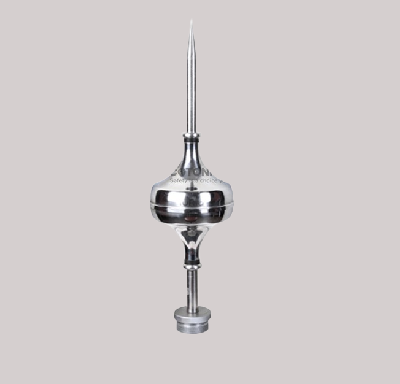
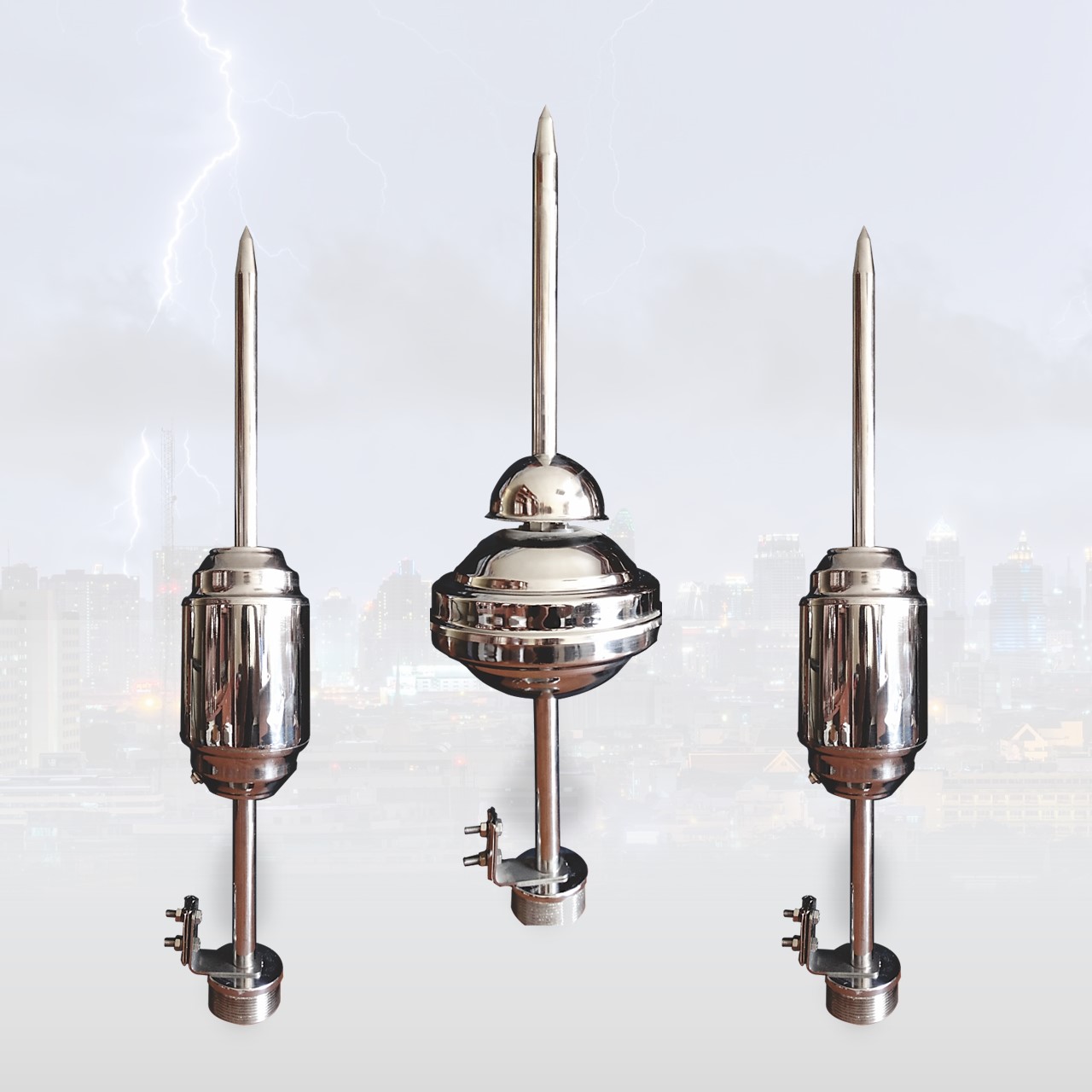
A lightning arrester is a device installed in power systems to protect electrical equipment from high voltage surges, especially those caused by lightning. It works by redirecting the surge to the ground before it reaches the main electrical system.

When a high-voltage surge from a lightning strike enters the system, the arrester provides a low-resistance path to the ground, allowing the surge to be dissipated safely. After the surge passes, the arrester resets itself, ready to protect again.

Key Components of a Lightning Arrester:

  • Metal Oxide Varistors (MOVs): Offer variable resistance based on voltage.
  • Spark Gaps: Automatically open circuits to divert surges.
  • Grounding System: Safely channels energy away from sensitive components.

Why Lightning Arresters are Crucial in Rural Electrification

  • Protecting Distribution Transformers: Rural power distribution heavily depends on pole-mounted or pad-mounted transformers. These are exposed to environmental elements and lightning-induced surges. Installing surge arresters at each distribution transformer can dramatically extend the equipment’s life and reliability.
  • Safety of Life and Property: A power surge can ignite fires or electrocute people, especially if grounding is poor. Lightning arresters drastically reduce such risks by preventing surge energy from entering homes.
  • Improved Grid Reliability: Arresters help maintain stable operation, reducing maintenance costs and improving community confidence in the electrical grid.
  • Cost Efficiency: Arresters are low-maintenance, one-time installations that can save lakhs of rupees annually in damage and loss.

Challenges in Implementing Lightning Arresters in Rural Areas

  • Lack of Awareness: Many Gram Panchayats and local authorities are unaware of lightning arresters or their role. Training and capacity building are essential.
  • Budget Constraints: Rural projects often prioritize visible infrastructure like poles and wires, neglecting protection systems.
  • Improper Installation: Even when arresters are installed, improper grounding, low-quality materials, or incorrect placement reduces their effectiveness.
  • Environmental Factors: High soil resistivity (rocky or dry soil) reduces the effectiveness of grounding systems, requiring specialized solutions.

Types of Lightning Arresters Suitable for Rural Use

  • Distribution Class Arresters: Ideal for 11kV and 33kV distribution transformers in rural feeders.
  • Station Class Arresters: Used in rural substations to protect equipment like breakers and control gear.
  • Intermediate Arresters: Cost-effective protection for medium surge exposure.
  • Polymer-Housed Arresters: Weather-resistant and maintenance-free, perfect for rural outdoor installations.

Case Study: Lightning Arrester Deployment in Rural Delhi

Several rural zones in Delhi, such as Narela, Bawana, and Najafgarh, have experienced repeated transformer failures during monsoons. In 2023, under the Delhi Electrification Safety Initiative, over 200 transformers were fitted with polymer lightning arresters.

The results:

  • Transformer burnout incidents dropped by over 70%.
  • Downtime per incident reduced from 18 hours to 2–3 hours.
  • Improved voltage stability and reduced appliance flickering reported by villagers.

Why Lightning Protection Is the Future of Smart Villages

The Indian government’s smart village vision includes solar, EV, and digital infrastructure—all reliant on stable electricity. Lightning arresters ensure durability and safety.

Installing arresters in:

  • Solar inverter systems
  • Rural EV charging stations
  • Internet towers and routers

…ensures long-term sustainability and resilience.

Reliable Solutions from a Leading Lightning Arrester Manufacturer in Delhi

LES Ecotonik System, a reputed manufacturer in Delhi, Pune, and Noida, offers products tailored for rural environments. Their solutions are weather-resistant, durable, and easy to install.

Company advantages:

  • High-performance surge protection
  • Compliance with BIS and IEC standards
  • Custom solutions for high soil resistivity
  • On-ground training for technicians
Empowering Rural Electrification Through LES Ecotonik System

LES Ecotonik systempartners with government and private agencies to provide cost-effective lightning protection for rural electrification.

  • Tailor-made arrester solutions for rural terrains
  • On-time supply and support for large-scale projects
  • Data-driven recommendations using lightning density maps

They ensure that electrification doesn’t just light up villages—it protects them too.

Conclusion

Lightning-related damages in rural electrification can no longer be treated as a seasonal inconvenience. They are serious threats to life, infrastructure, and progress. A single strike can disrupt an entire community’s power supply, stall education, impact health centers, and hinder economic activity.

By incorporating lightning arresters into the core design of rural power systems, planners can ensure long-term stability and safety. With companies like LES Ecotonik System, a reliable Lightning Arrester Manufacturer in Delhi,Lightning Arrester Manufacturer in Pune Lightning Arrester Manufacturer in Noida offering specialized solutions for rural electrification, there is no excuse for overlooking surge protection. The path to sustainable, smart, and safe rural electrification begins with prevention and prevention begins with the right arrester in the right place.

CT/PT Applications in Industrial Automation Systems

Trusted CT PT Transformer Manufacturer in Delhi

CT/PT Applications in Industrial Automation Systems

The Brain and Backbone of Industrial Measurement

In today’s rapidly advancing industrial landscape, automation systems are becoming increasingly intelligent, interconnected, and data-driven. These systems rely heavily on the precise measurement and monitoring of electrical parameters, particularly in high-voltage and heavy-power applications. At the core of this measurement infrastructure are two essential components: Current Transformers (CTs) and Potential (Voltage) Transformers (PTs).

Often hidden behind control panels and switchboards, CT/PT units perform critical tasks—safely scaling down high voltages and currents to levels that can be measured and processed by digital equipment. This blog delves deep into the role and relevance of CT/PT transformers in industrial automation systems, exploring how they enhance safety, enable predictive maintenance, drive energy efficiency, and support real-time control.

Understanding the Basics: What Are CT and PT Transformers?

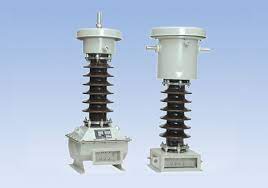
To grasp the applications of CT and PT transformers in industrial automation, it is important to first understand what they are and what they do. A Current Transformer (CT) is designed to reduce high current levels to a standardized, lower value (usually 5A or 1A) for metering and protection purposes. Similarly, a Potential Transformer (PT) or Voltage Transformer steps down high voltage to a measurable level (typically 110V or lower), preserving accuracy and isolation.

These devices allow automation systems and human operators to monitor and react to electrical conditions in real-time without being exposed to dangerous voltage or current levels. They form the interface between raw electrical power and the intelligent analytics that drive industrial automation.

The Role of CT/PT Transformers in Power Monitoring

In automated industrial facilities, the continuous monitoring of power consumption and quality is a non-negotiable requirement. CTs and PTs make this possible by supplying real-time electrical data to monitoring devices such as power meters, data loggers, and energy management systems.

By providing accurate readings of voltage, current, frequency, and power factor, these transformers allow for immediate feedback and optimization of loads. This not only ensures the efficient functioning of machinery but also helps reduce operational costs and avoid unnecessary downtimes.

Additionally, CT/PT devices enable the implementation of energy auditing and power quality analysis—functions that are now integral to automation platforms aimed at improving sustainability and compliance with international energy standards.

Enhancing Industrial Safety through Isolation and Protection

One of the most vital functions of CT and PT transformers is to ensure electrical isolation between high-voltage circuits and low-voltage control systems. Without this isolation, sensors and monitoring equipment could be exposed to damaging or lethal voltages, posing significant risks to both machinery and personnel.

In industrial automation systems, protection relays use input from CT/PT transformers to detect abnormalities like overcurrent, earth faults, and short circuits. Once these issues are detected, the relays trigger actions such as circuit breakers, load shedding, or system shutdowns—limiting damage and ensuring safety.

Thus, CT/PT transformers form a critical first line of defense, allowing fast and automated fault response mechanisms in high-risk industrial environments such as oil refineries, power plants, steel manufacturing units, and chemical processing facilities.

Automation-Ready: Compatibility with Digital Relays and SCADA

Modern industrial automation systems are driven by digital control platforms like SCADA (Supervisory Control and Data Acquisition) and PLCs (Programmable Logic Controllers). CT and PT transformers are essential in feeding these platforms with reliable analog inputs, which are then digitized and analyzed for real-time decision-making.

Today’s CT/PT units are designed to work seamlessly with digital protective relays, which use time-coordinated algorithms to make instantaneous and accurate decisions regarding fault isolation and load balancing. In essence, CT/PT transformers help extend the sensory capabilities of these intelligent control units, acting like eyes and ears for the digital brain that governs the plant.

Supporting Predictive Maintenance in Industrial Operations

The evolution of automation has shifted focus from preventive to predictive maintenance—a methodology that anticipates failures before they occur. CT and PT transformers are key enablers of this paradigm shift. By supplying real-time electrical data, they allow condition-monitoring algorithms to detect trends such as rising current imbalance, voltage sags, harmonic distortion, or power factor anomalies.

These patterns often serve as early indicators of potential equipment failure, allowing plant managers to schedule timely maintenance, thereby reducing unplanned downtimes. With cloud-based analytics and AI-driven tools, the data supplied by CT/PT transformers can now power predictive dashboards that provide actionable insights.

Facilitating Grid Integration and Load Management

Industries today are no longer passive consumers of electricity. Many have their own solar panels, wind turbines, or diesel generators making them prosumers (producers + consumers). In such hybrid energy environments, CT and PT transformers are indispensable for grid synchronization, phase matching, and load sharing.

These devices ensure that the switchovers between grid and captive power are smooth and controlled. Furthermore, CT/PT transformers provide precise measurements required for demand-side management and peak shaving strategies. This is particularly crucial for manufacturing facilities that operate under strict energy usage limits or in regions with time-of-use tariff systems.

Applications Across Diverse Industrial Domains

Pharmaceutical Manufacturing: To monitor clean room power conditions and support sensitive automation.

Automotive Factories: In robotic lines for motor control and real-time load balancing.

Food Processing: For energy monitoring in cold chains and heating systems.

Data Centers: To ensure uninterrupted and clean power to critical IT infrastructure.

Water Treatment Plants: For automation of pumps, compressors, and chemical dosing systems.

Each of these industries relies on CT/PT transformers to ensure that their highly automated processes are not just efficient but also electrically safe.

Choosing a Reliable CT PT Transformer Manufacturer inDelhi

When selecting electrical components for critical automation systems, precision and reliability are key. Partnering with an experienced CT PT Transformer Manufacturer inDelhi ensures not only product quality but also alignment with global safety and efficiency standards. Local manufacturing also ensures timely delivery, faster service response, and compliance with the region’s industrial regulations.

Manufacturers who specialize in industrial automation-ready CT/PT solutions often offer custom configurations, higher accuracy classes, and integration support for SCADA and IoT platforms—making them invaluable for engineering firms and end users alike.

How LES Ecotonik System Delivers Excellence in CT/PT Solutions

As a leading CT PT Transformer Manufacturer inDelhi, LES Ecotonik System has built a reputation for delivering precision-engineered products tailored for complex automation environments. Their range of current and potential transformers is specifically designed for industrial integration, featuring high thermal endurance, compact design, and superior insulation technology.

What sets LES Ecotonik system apart is their customer-centric approach, providing end-to-end support from product selection and customization to on-site assistance and testing. They also emphasize sustainability by offering transformers with improved lifecycle efficiency and lower power loss making them a preferred choice in energy-conscious industrial ecosystems.

Why LES Ecotonik System Is Trusted by Automation Experts

When it comes to deploying CT/PT transformers in critical control systems, LES Ecotonik System stands out as a trusted partner. Their products are compatible with the latest digital protection relays and automation platforms, ensuring seamless integration and consistent performance. With a strong focus on R&D and strict quality assurance protocols, they cater to sectors ranging from power distribution to smart manufacturing.

Choosing the LES Ecotonik System means you’re not just buying a transformer; you’re investing in a robust and intelligent measurement interface that strengthens your entire automation framework.

Conclusion: The Indispensable Link Between Power and Precision

In the realm of industrial automation, the seamless functioning of systems relies heavily on the accuracy and reliability of the foundational components—chief among them being CT/PT transformers. These devices are more than just instruments for metering—they are strategic enablers of automation, safety, energy optimization, and predictive maintenance.

As automation systems become smarter and more complex, the need for robust and precision-calibrated CT/PT transformers becomes even more critical. Collaborating with a trusted CT PT Transformer Manufacturer in Delhi like LES Ecotonik System ensures that your automation architecture remains safe, efficient, and future-ready. In the fast-evolving world of Industry 4.0, CT/PT transformers continue to serve as the invisible champions that turn electrical power into actionable intelligence.

Common Earthing Faults and How to Avoid Them

 Earthing System Manufacturer in delhi

Common Earthing Faults and How to Avoid Them

INTRODUCTION

In modern electrical infrastructure, earthing (or grounding) is one of the most crucial safety systems. Its role is to provide a low-resistance path for fault currents, stabilizing voltage levels and protecting both people and equipment from dangerous electric shock or fire hazards. Yet, despite its fundamental importance, earthing systems are often overlooked, poorly maintained, or improperly installed. The result? Common earthing faults can lead to life-threatening failures, significant equipment damage, or even catastrophic system-wide blackouts. As the demand on electrical systems grows with ever more complex equipment, ensuring a robust and well-designed earthing network has never been more important. This comprehensive guide explores the most common earthing faults, their causes, and practical, actionable strategies to prevent them. Whether you are an engineer, facility manager, electrician, or a business owner, understanding these principles can help protect lives, ensure regulatory compliance, and safeguard expensive assets.

Why Earthing Systems Fail

Before discussing specific faults, it’s important to understand why earthing systems fail. Several root causes are common:

  • Poor design: The earthing system may be undersized, incorrectly calculated, or simply not suited to the site conditions.
  • Poor installation: Even a well-designed system can fail if not installed correctly, with improper connections or the use of substandard materials.
  • Corrosion: Over time, earthing conductors or electrodes may corrode, breaking the continuity of the grounding path.
  • Mechanical damage: Construction or digging activities can physically damage earthing conductors.
  • Lack of maintenance: Neglecting periodic inspection and testing can allow issues to go unnoticed until they become dangerous.

Keeping these root causes in mind, let’s examine the most common faults in more detail.

Common Earthing Faults You Should Know

1. High Earth Resistance

Causes:
  • Corroded earth rods
  • Loose connections
  • Dry or rocky soil with high resistivity
How to avoid:
  • Regularly test earth resistance
  • Use multiple electrodes for better current dissipation
  • Moisturize dry soil or use soil conditioning compounds where needed

2. Broken or Damaged Earth Conductors

Earth conductors buried underground are vulnerable to damage from excavation, rodents, or corrosion. If the continuity of the conductor is broken, the earthing system becomes useless, putting equipment and people at risk.

Causes:
  • Mechanical excavation
  • Chemical corrosion
  • Rodent attacks
How to avoid:
  • Route conductors through protective PVC or HDPE pipes
  • Inspect during any excavation work
  • Choose corrosion-resistant materials like copper or copper-bonded rods

3. Multiple Earthing Points without Proper Bonding

Sometimes, installations feature multiple earth electrodes that are not correctly bonded together. This creates a situation where different parts of the system can have differing potentials, introducing dangerous touch voltages.

Causes:
  • Poor design
  • Expansion of buildings without integrating the new earth points properly
How to avoid:
  • Bond all earthing points to a single earth reference bar
  • Check bonding continuity after modifications or expansions

4. Loose Connections

Earthing systems depend on reliable, low-resistance connections. Over time, connections can loosen because of thermal cycling, vibrations, or corrosion.

Causes:
  • Lack of periodic tightening
  • Poor installation
  • Inadequate hardware
How to avoid:
  • Use quality lugs and bolts
  • Apply anti-oxidizing compounds
  • Schedule periodic maintenance to re-tighten connections

5. Undersized Earthing Conductors

When an earthing conductor is too small to handle fault currents, it can overheat or even melt, defeating the safety purpose of the system.

Causes:
  • Faulty design
  • Cost cutting during installation
  • Lack of future load planning
How to avoid:
  • Always calculate conductor size based on maximum prospective fault current
  • Follow relevant codes (like IS 3043, IEEE 80, or IEC 60364)
  • Factor in future expansion loads

6. Improper Use of Materials

Using incorrect or substandard materials for earthing systems is a surprisingly common issue. For instance, galvanized iron may corrode far faster than copper in some soils, leading to premature failure.

Causes:
  • Cost pressure
  • Lack of material standards
  • Untrained contractors
How to avoid:
  • Specify corrosion-resistant materials in tender documents
  • Audit the installation
  • Purchase only from verified suppliers

7. Insufficient Soil Contact

An earthing electrode that is not properly embedded or surrounded by high-resistance backfill will fail to deliver low resistance.

Causes:
  • Poor site selection
  • Inadequate rod length
  • Dry or rocky soil conditions
How to avoid:
  • Perform soil resistivity tests
  • Use multiple rods or chemical electrodes
  • Install moisture retention pits

8. Inadequate Testing and Maintenance

Even a perfect earthing system can fail over time without testing. Corrosion, loosening, or damage from nearby construction can go unnoticed.

Causes:
  • Lack of maintenance policy
  • Overconfidence after initial commissioning
  • Budget constraints
  • Budget constraints
How to avoid:
  • Conduct earth resistance testing at least once a year
  • Perform visual inspections
  • Keep maintenance logs and follow up on anomalies

Best Practices for a Fault-Free Earthing System

  • Design for the future: Don’t just meet current load requirements. Anticipate future expansions.
  • Choose quality materials: Always invest in long-lasting, corrosion-resistant components.
  • Involve qualified professionals: Design, installation, and testing should only be done by trained professionals.
  • Maintain a maintenance schedule: Treat your earthing system as critical infrastructure.
  • Document everything: From resistance values to inspection schedules, good documentation prevents errors.

How an Earthing & Bonding Manufacturer Can Support Safer Systems

A reputable Earthing & Bonding manufacturer can be a game changer when it comes to preventing faults. These manufacturers supply advanced, quality-tested components like earth rods, clamps, and conductors that meet strict international standards. Brands such as LES Ecotonik system deliver solutions designed for long life, minimal maintenance, and excellent corrosion resistance. By choosing the right supplier, you lay the foundation for a reliable, compliant, and safe earthing network.

Why LES Ecotonik System’s Solutions Excel

As a trusted Earthing & Bonding manufacturer, LES Ecotonik system stands out for its dedication to innovation and uncompromising quality. Their products are engineered to meet global standards, ensuring excellent performance under demanding conditions. Beyond just products, LES Ecotonik system provides technical guidance, helping facility owners and contractors design and maintain earthing systems that remain effective for decades. This holistic approach reduces common faults and simplifies compliance with safety regulations.

Partnering with an Earthing & Bonding Manufacturer for Peace of Mind

Collaborating with a skilled Earthing & Bonding manufacturer like LES Ecotonik system guarantees not only premium products but also the peace of mind that comes from technical support and after-sales service. From consultation to periodic training and audits, their partnerships help clients minimize the risk of dangerous earthing faults. This ongoing support is vital as technology evolves and as infrastructure grows more complex. A reliable manufacturer is an invaluable ally in the mission to keep people and property safe.

Secure Your Electrical Systems with Reliable Earthing

Earthing systems are an unseen yet absolutely critical part of any electrical infrastructure. They protect lives, keep businesses running, and help avoid costly downtime or disaster. But earthing systems are only as good as their design, materials, and maintenance. By understanding common earthing faults and working with an experienced Earthing & Bonding manufacturer like LES Ecotonik system you can ensure that your system performs safely and reliably for years to come. When lives and assets are on the line, investing in fault-free earthing is one of the smartest moves any organization can make.

Common Misconceptions About Surge Protection Devices

 Surge Protection Manufacturer in delhi

Common Misconceptions About Surge Protection Devices

INTRODUCTION

In today’s increasingly electrified world, the demand for safe, consistent, and reliable power is higher than ever. We rely on sophisticated electronic devices in our homes, offices, factories, and data centers to maintain the smooth flow of work, entertainment, and security. Yet despite their critical role, these devices are under constant threat from one of the most unpredictable hazards in the electrical ecosystem: power surges. Power surges can be triggered by anything from lightning strikes and grid switching to equipment failures and even internal building wiring issues. That’s why surge protection devices (SPDs) have become indispensable in modern electrical systems. However, there are still widespread myths and misconceptions about SPDs what they do, how they work, and what level of protection they offer. This comprehensive guide will break down these misconceptions and help you better understand surge protection devices, ensuring your electrical infrastructure stays resilient and secure.

Why Surge Protection Matters

Let’s begin with the basics. A power surge is a sudden, brief increase in voltage that can damage or destroy electrical equipment. These surges can occur in milliseconds, with voltages spiking far beyond what a device is designed to handle.

Without proper surge protection, even a minor surge can:

  • Permanently damage sensitive electronics
  • Disrupt critical operations
  • Lead to costly repairs and downtime
  • Compromise safety

As we connect more sensitive electronics to the power grid, from computers to smart home devices, surge protection becomes a foundational element of electrical safety.

How Surge Protection Devices Work

An SPD works by diverting excess voltage away from your equipment and safely grounding it before it causes harm. These devices respond almost instantly, clamping down the surge to a safer level that your equipment can handle. SPDs are not all the same; they come in multiple classes and configurations to handle different types of surges, from massive lightning-induced events to smaller transients caused by switching heavy machinery.

Misconception #1: “I Only Need Surge Protection for Lightning”

A common myth is that surge protection is only needed in areas prone to lightning strikes. While lightning is indeed a powerful cause of surges, studies show that the majority of damaging surges actually come from internal sources within the building itself.

For example:

  • Switching large motors on and off
  • Elevators and HVAC equipment
  • Faulty wiring
  • Malfunctioning appliances

These internal surges can be just as destructive as lightning. Hence, comprehensive surge protection is critical even if you live in a region with low lightning risk.

Misconception #2: “My Circuit Breaker Protects Against Surges”

Another frequent misconception is that a standard circuit breaker can protect equipment from surges. Circuit breakers are designed to protect against overcurrent — in other words, they trip when the current exceeds safe levels over a period of time. However, a surge is a momentary overvoltage, often lasting microseconds. Circuit breakers cannot respond fast enough to stop these fast transients. Only a properly designed SPD can do that.

Misconception #3: “One Surge Protector for the Whole Building Is Enough”

Some people believe a single surge protector installed at the main panel will protect their entire building. While a whole-building SPD is vital, it is only the first layer of defense. Sensitive equipment, such as computers and medical devices, may need point-of-use SPDs for localized protection. Think of surge protection like a team sport where each layer supports the others. Combining panel-level devices with plug-in protectors ensures no vulnerable equipment is left exposed.

Misconception #4: “Surge Protectors Last Forever”

Many assume surge protection devices work indefinitely. In truth, SPDs degrade over time. Each time they divert a surge, they experience a small amount of wear. Eventually, their components, typically metal oxide varistors (MOVs) will lose effectiveness. A good SPD includes an indicator light or monitoring system to show whether it is still operational. Regular inspection and scheduled replacement are essential to keep your protection system reliable.

Misconception #5: “All Surge Protectors Are the Same”

Not all SPDs are created equal. Differences exist in:

  • Surge current capacity
  • Response time
  • Standards compliance (such as UL 1449 or IEC 61643)
  • Durability
  • Installation requirements

It is crucial to select a surge protection device suited to your particular risk profile and installation environment. A residential surge protector will not meet the needs of a large industrial facility, for instance.

Misconception #6: “If I Have an SPD, I Don’t Need Grounding”

Some believe that surge protection alone will solve all power quality issues. In reality, surge devices rely on proper grounding to function correctly. If your grounding system is inadequate or faulty, an SPD cannot safely discharge a surge, leaving your equipment at risk. Always pair surge protection with a well-designed, code-compliant grounding and bonding system.

Misconception #7: “Plug-In Strips Are Enough for Surge Protection”

Cheap plug-in surge strips sold at electronics stores provide minimal protection and are not a substitute for professional-grade surge protection. These devices may handle small, routine surges but cannot withstand high-energy events like a major lightning strike.

A robust surge protection strategy should include:

  • Service entrance surge protectors
  • Sub-panel SPDs
  • Dedicated protectors for mission-critical equipment

This multi-layered defense is the only reliable way to protect your facility.

Misconception #8: “Surge Protection Only Matters for Computers”

Another outdated view is that surge protection is only needed for computers or servers. Today, everything from LED lighting to home appliances includes sensitive microprocessors. Even your smart refrigerator is vulnerable to transient overvoltages. Modern living means everything runs on electronics, and everything needs protection.

The Role of Surge Protection Device Manufacturers in Setting Standards

As demand for surge protection grows, so does the importance of working with a reputable Surge Protection Device manufacturer that follows global standards and safety codes. Manufacturers who invest in research, testing, and quality assurance help advance the reliability and effectiveness of SPDs across industries. They not only develop devices but also provide guidance on proper installation and maintenance, which is crucial for achieving optimal performance.

How LES Ecotonik System Empowers Safer Installations

LES Ecotonik Systems, a trusted name among Surge Protection Device manufacturers, goes beyond just supplying hardware. They build educational awareness, offer best-practice training, and support customers in understanding how to integrate surge protection devices correctly within their electrical systems. From residential projects to massive industrial plants, LES Ecotonik System’s solutions deliver exceptional resilience and ensure that each layer of protection is working as designed. Their team emphasizes not just products but also consultation and design support, adding a valuable dimension to safety planning.

Choosing a Surge Protection Device Manufacturer You Can Trust

Selecting the right Surge Protection Device manufacturer is vital for anyone serious about power quality and safety. With partners like LES Ecotonik System, you gain confidence that your protection strategy is rooted in best practices and cutting-edge innovation.

When you work with a reputable manufacturer, you benefit from:

  • Certified products that meet stringent global standards
  • Technical support during installation and after-sales service
  • Access to the latest surge protection technology
  • Long-term performance and reliable safety

This is a key investment in protecting not just equipment, but also operational continuity and human safety.

Conclusion
Rely on Expertise, Not Assumptions

The world of surge protection is far more complex than many people realize. Outdated myths can leave your infrastructure dangerously exposed. A strong understanding of what surge protection devices truly do and what they don’t is essential for keeping your assets safe. By partnering with an expert Surge Protection Device manufacturer like LES Ecotonik System, you gain the insights, tools, and support needed to build a comprehensive, layered defense against surges. Don’t leave your valuable systems to chance; invest in knowledge, proven solutions, and quality partners for a more secure electrical environment today.