Key Standards and Certifications for Lightning Arresters: What Every Buyer Should Know

Best Lightning Arrester Manufacturer in Chennai

Lightning Protection Standards and Certifications

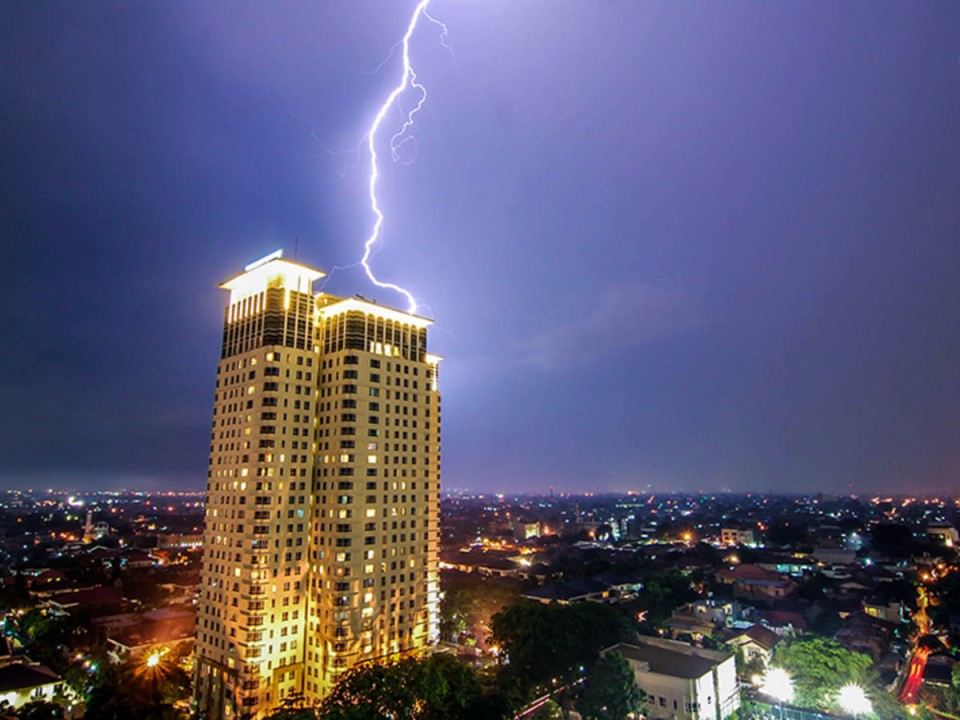
Lightning is one of nature’s most powerful and unpredictable forces. While it brings awe-inspiring beauty, it also poses immense risks to buildings, electrical networks, industrial facilities, and human life. A single lightning strike can cause fires, power surges, equipment damage, data loss, and even catastrophic downtime for businesses. To combat such dangers, lightning arresters play a crucial role by safely channeling sudden spikes of voltage into the ground.

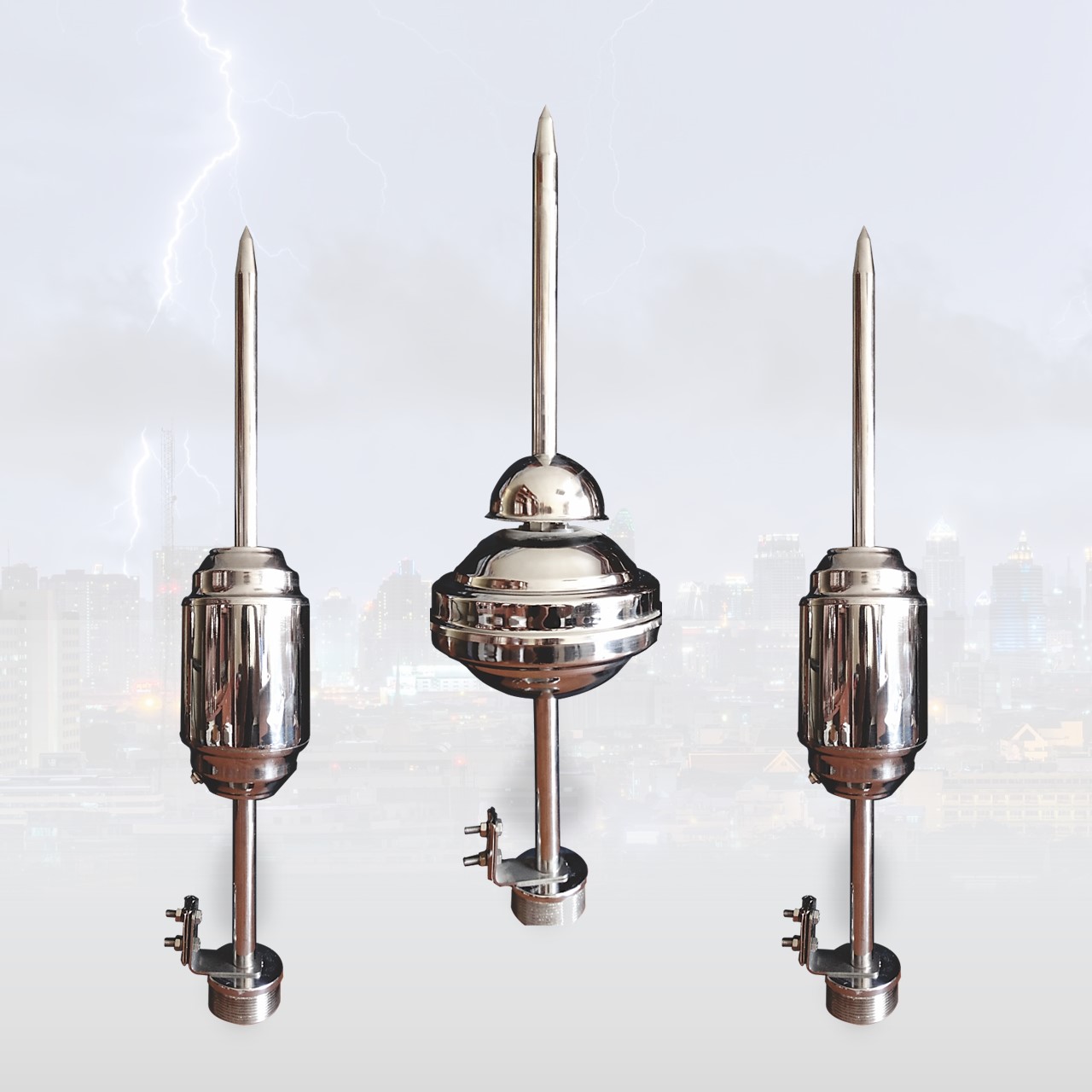
However, not all lightning arresters are created equal. The reliability of a lightning protection system depends heavily on the standards and certifications it adheres to. International, national, and industry-specific standards ensure that every component—material, design, testing, and performance—meets globally recognized benchmarks for safety and efficiency.

This blog explores the most important standards, certifications, and performance requirements you must understand before investing in a lightning arrester. Whether you’re involved in construction, electrical engineering, industrial operations, or infrastructure planning, this guide will help you make an informed decision.

Why Standards Matter in Lightning Protection

Lightning arresters are not simple devices. They must:

Withstand extremely high voltages

Operate under varying climatic conditions

Respond instantly to critical surge conditions

Protect sophisticated equipment and sensitive loads

Deliver long-term reliability without frequent maintenance

Because the consequences of failure are severe, global regulatory bodies have established rigorous testing and compliance procedures. Standards therefore ensure:

Safety: The arrester does not fail under real-world stress.

Performance: It diverts surges effectively without interrupting normal operations.

Quality: It is built with certified materials and proven technology.

Compatibility: It integrates well with modern electrical systems.

Reliability: It performs consistently over its operational lifespan.

Purchasing an arrester without proper certifications can jeopardize entire electrical systems, violate building codes, and expose users to unnecessary risks.

Key Global Standards for Lightning Arresters

1. IEC 62305 – The Comprehensive Lightning Protection Standard

The International Electrotechnical Commission’s (IEC) 62305 series is one of the most globally accepted frameworks for lightning protection. It includes four parts:

IEC 62305-1: General principles

IEC 62305-2: Risk management

IEC 62305-3: Physical damage and life hazard protection

IEC 62305-4: Electrical and electronic systems protection

This standard defines lightning characteristics, protection methods, installation guidelines, and surge mitigation strategies. It is the benchmark for designing any lightning protection system worldwide.

2. IEC 60099 Series – Surge Arresters for High Voltage Systems

This series focuses on surge arresters used in high-voltage networks, particularly power transmission and distribution. It covers:

Metal-oxide surge arresters

Insulation coordination

Testing under continuous operating voltage

Temporary overvoltage performance

IEC 60099 ensures that arresters used in demanding industrial environments perform effectively during extreme power fluctuations.

3. IEEE Standards (IEEE C62 Series)

The IEEE standards, especially the IEEE C62 series, are widely adopted in North America and industries requiring advanced surge protection. These include standards for:

Low-voltage surge protection

High-voltage surge arresters

Testing and performance evaluation

Installation environments

IEEE guidelines offer detailed insights into the behavior of surge protection devices under repetitive stress, impulse currents, and switching surges.

Important National and Regional Standards

1. IS/IEC Standards (India)

The Bureau of Indian Standards (BIS) adapts IEC guidelines into the Indian context. Commonly referenced Indian standards include:

IS 3043: Earthing guidelines

IS/IEC 62305: Lightning protection guidelines

IS 2309: Code of practice for lightning protection

IS 15086: Surge protection devices

These combine global benchmarks with local environmental conditions, making them highly relevant for Indian infrastructure.

2. EN Standards (Europe)

European Norms (EN) harmonize lightning protection requirements across EU nations. Major ones include:

EN/IEC 62305 series

EN 50164: Components for lightning protection systems

EN standards ensure product compliance for European industrial and commercial environments.

3. UL Standards (United States)

The Underwriters Laboratories (UL) certify surge protection devices to verify safety and performance.

Key standards include:

UL 96A: Installation requirements

UL 1449: Surge protective devices

UL certification is particularly important in data centers, IT facilities, and electronics-heavy installations.

Certifications to Look for in Lightning Arresters

1. Type Tests and Routine Tests

Every certified lightning arrester undergoes:

Type tests: Conducted during development; include thermal stability, energy handling, and impulse withstand capability.

Routine tests: Performed on every unit before dispatch; include mechanical soundness, insulation checks, and reference voltage measurements.

These ensure that each arrester delivered to the customer meets stringent quality expectations.

2. CE Certification (Conformité Européenne)

A CE-marked lightning arrester meets European safety, health, and environmental protection requirements. It is mandatory for products sold within the EU and recognized internationally.

3. ISO Certifications

Manufacturers following ISO 9001 (Quality Management) and ISO 14001 (Environmental Management) guarantee consistent quality, production oversight, and sustainable practices.

ISO-certified products often come from manufacturers with reliable testing, documentation, and traceability standards.

Performance Standards You Must Consider

Lightning arresters must meet performance metrics such as:

Impulse current rating

Residual voltage levels

Response time

Energy absorption capacity

Leakage current measurement

Thermal stability

Climatic endurance

Understanding these metrics helps buyers match the arrester to the application:

Industrial plants

Commercial complexes

Residences

Telecom towers

Renewable energy installations

Substations and power grids

Material Quality and Manufacturing Standards

High-performing lightning arresters use:

Zinc oxide (ZnO) varistors

High-grade polymer or porcelain insulation

Weather-resistant housings

Corrosion-free metal components

UV-resistant coatings

Manufacturers must follow stringent quality protocols, including:

Microscopic inspection of MOV blocks

Aging tests

Accelerated weathering tests

Humidity and salt-mist exposure tests

High-voltage withstand tests

A robust manufacturing process ensures long life and sustained performance even in harsh climatic conditions.

Installation Standards and Best Practices

A lightning arrester is only as effective as its installation. Standards mandate:

Proper earthing and grounding

Maintaining separation distances

Using certified conductors and clamps

Avoiding sharp bends in down conductors

Testing earthing resistance periodically

Following prescribed mounting heights

Proper installation ensures the arrester maximizes its capability to dissipate surge currents safely.

Maintenance Standards

Even the best lightning arrester requires periodic maintenance such as:

Checking earthing condition

Inspecting MOV blocks for degradation

Ensuring no moisture seepage

Verifying conductor connections

Monitoring leakage current levels

Maintenance guidelines vary across IEC, IS, and IEEE standards.

The Importance of Choosing Certified Lightning Arresters

Certified lightning arresters provide:

Verified safety

Proven performance

Compliance with legal standards

Longer operational life

Reduced risk of electrical fires

Confidence in industrial environments

Uncertified arresters may fail under real lightning events, causing severe electrical damage and safety risks.

Why Certified Manufacturers Matter

Choosing a Lightning Arrester Manufacturer in Chennai that follows globally recognized standards ensures your infrastructure remains protected from unpredictable lightning surges. A certified product guarantees reliability, tested performance, and long-term durability. This is especially critical for businesses, industrial plants, and modern structures that rely heavily on uninterrupted electrical systems.

When selecting a Lightning Arrester Manufacturer in Chennai, opting for a trusted name like LES Ecotonik System ensures that every arrester you invest in meets stringent IEC, IS, IEEE, and EN standards. Their products are designed using advanced MOV technology, undergo rigorous type tests, and are crafted to withstand the toughest environmental conditions, ensuring superior surge protection for years.

FINAL THOUGHTS

For organizations seeking safety, compliance, and dependable performance, partnering with LES Ecotonik System, a leading Lightning Arrester Manufacturer in Chennai offers unmatched value. Their commitment to precision engineering, certified manufacturing processes, and customer-centric service ensures that your electrical infrastructure is protected with world-class surge protection devices.
How Earthing & Bonding Improves Electrical Safety Everywhere

How Earthing & Bonding Improves Electrical Safety Everywhere

How Earthing & Bonding Improves Electrical Safety Everywhere

Electrical safety is a top priority in any environment—whether it’s a home, an industrial facility, or a large-scale commercial operation. One of the most critical aspects of electrical safety is the implementation of earthing and bonding systems. Proper earthing and bonding ensure that electrical faults, such as short circuits or lightning strikes, do not result in severe damage or pose a risk to human life. By safely directing electrical surges to the ground and maintaining the integrity of the electrical system, earthing and bonding are fundamental practices that protect both people and equipment.

In this article, we’ll explore the role of earthing and bonding in electrical safety, how they work, and why they are essential in all settings. We’ll also look at how selecting the right Earthing & Bonding Manufacturer in Pune can make a significant difference in ensuring that these systems are implemented correctly.

What is Earthing and Bonding?

Earthing and bonding are two critical concepts in electrical systems that work together to ensure safety by preventing electrical shocks, fires, and equipment damage.

Earthing: This involves creating a direct physical connection between the electrical system and the earth (ground). The purpose of earthing is to provide a safe path for the electrical current to flow into the earth in the event of a fault, such as a short circuit or lightning strike. By grounding the system, any excess or fault current is safely dissipated into the earth, reducing the risk of electrical hazards.

Bonding: Bonding refers to the practice of connecting various conductive parts of an electrical system (such as metal parts, casings of appliances, and metal conduits) together and to the ground. This ensures that all metal parts are at the same electrical potential, preventing a situation where one part becomes live due to an electrical fault. Bonding helps in preventing electric shocks by ensuring that if a fault occurs, the current can flow safely and effectively to the ground.

In simple terms, earthing provides a pathway for electricity to return to the ground in the case of a fault, while bonding ensures that all exposed conductive parts are safely connected to the earthing system.

How Earthing and Bonding Improve Electrical Safety

The combination of earthing and bonding provides multiple safety benefits in electrical systems. Here’s how they contribute to overall safety:

1. Protection Against Electric Shock

Electric shock can occur when a person comes into contact with an exposed metal part that has become “live” due to a fault. Without proper earthing and bonding, metal parts can retain dangerous voltages, causing fatal injuries or burns. Bonding ensures that all exposed conductive parts of electrical installations are connected to the earthing system, so that in the event of a fault, these parts are at the same potential. If a fault occurs, the current flows through the earth rather than through a person’s body, preventing serious harm.

2. Mitigation of Fire Hazards

A short circuit or other electrical fault can create excessive heat in an electrical system, potentially causing a fire. Without earthing, fault currents have no clear path to dissipate, leading to overheating of electrical components. The grounded earthing system provides a controlled pathway for excess current, reducing the risk of overheating, sparking, or fires. Proper bonding also ensures that fault currents flow through the appropriate circuit and don’t cause arcs or sparks in unintended places.

3. Lightning Protection

Lightning strikes can introduce extremely high voltages into an electrical system, causing massive damage. In the absence of proper earthing, the surge caused by lightning can travel through the electrical system, damaging electrical equipment and even starting fires. A well-designed earthing system acts as a “lightning rod,” safely directing lightning energy into the ground, minimizing damage to electrical installations and reducing the risk of electrical fires.

4. Preventing Equipment Damage

Electrical equipment, especially sensitive electronics and machinery, is vulnerable to power surges and electrical faults. When a fault occurs, such as a short circuit, the electrical system needs to provide a safe path for the fault current to flow into the ground. Without effective earthing and bonding, the fault current can damage or destroy sensitive equipment. A properly bonded and earthed system ensures that fault currents do not reach or affect valuable equipment, thereby reducing downtime and repair costs.

5. Compliance with Safety Standards

Many countries have strict electrical safety regulations that mandate the use of earthing and bonding in buildings and industrial setups. These standards help ensure that electrical installations meet safety requirements and prevent electrical accidents. Regular inspection and maintenance of earthing and bonding systems are necessary to ensure compliance and to protect against system degradation.

The Role of Earthing & Bonding in Different Environments

Different environments require specific considerations when it comes to earthing and bonding systems. Below, we explore how earthing and bonding contribute to safety in homes, industries, and commercial buildings.

In Homes

For residential electrical systems, earthing and bonding are vital for the protection of residents. Modern homes are filled with electrical appliances, lighting systems, and devices that are vulnerable to faults. Without proper earthing, an electrical fault in any appliance or wiring could result in a fatal electric shock.

Earthing in Homes: Homes should have a dedicated grounding electrode, such as a copper rod or a metal water pipe, connected to the earth. This provides a path for fault currents to safely flow into the ground.

Bonding in Homes: All metal parts of electrical installations (such as electrical outlets, metal switch plates, and exposed metal pipes) should be bonded to the earthing system to ensure they remain at earth potential, thus minimizing the risk of electric shock.

In Industrial Environments

In industrial settings, earthing and bonding are especially critical because of the high power loads and the complexity of electrical systems. Industrial machines, control systems, and large-scale equipment require robust earthing and bonding systems to prevent electrical accidents.

Earthing in Industries: Factories and manufacturing facilities often have large electrical loads and specialized equipment, which require dedicated earthing systems to protect workers and equipment.

Bonding in Industries: Industrial installations usually involve various conductive materials, such as metal pipes, cable trays, and machinery. Proper bonding ensures that all these components are at the same electrical potential, preventing dangerous voltage differences between parts.

In Commercial Buildings

Commercial buildings, such as offices, retail outlets, and schools, have large electrical systems that power lighting, HVAC systems, computers, and other critical infrastructure. A failure in these systems can disrupt business operations or endanger building occupants.

Earthing in Commercial Buildings: Commercial buildings should have a reliable earthing system connected to the main distribution board to handle any faults.

Bonding in Commercial Buildings: Bonding is crucial to ensure that all exposed conductive parts, such as metal frames of office furniture, metallic conduit, and water pipes, are safely connected to the earthing system.

Why LES Ecotonik System is the Ideal Earthing & Bonding Manufacturer in Pune

When it comes to ensuring the safety and reliability of electrical installations, the quality of the earthing and bonding system is paramount. LES Ecotonik System, a leading Earthing & Bonding Manufacturer in Pune, specializes in providing top-notch earthing and bonding solutions for both residential and industrial applications. Here’s why LES Ecotonik System is the right choice:

1. Expertise in Electrical Safety

With years of experience in the industry, LES Ecotonik System is known for its deep understanding of electrical safety and the crucial role of earthing and bonding systems. Their team of engineers and experts design and manufacture solutions that comply with the highest safety standards.

2. High-Quality Products

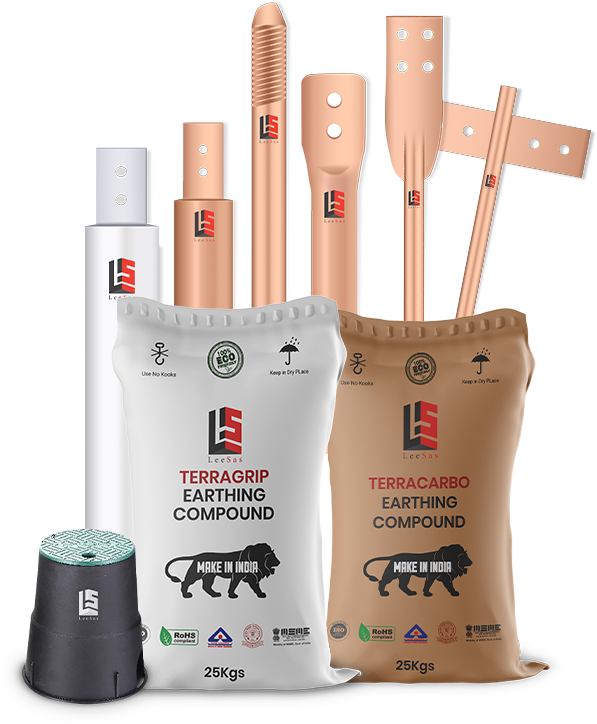
LES Ecotonik System offers a wide range of earthing and bonding solutions, including ground rods, earthing conductors, bonding clamps, and testing equipment. All products are made with durable, corrosion-resistant materials to ensure long-term performance and reliability.

3. Custom Solutions

Every building, industrial setup, or residential project has unique electrical needs. LES Ecotonik System works closely with clients to provide customized earthing and bonding systems that meet specific safety requirements and site conditions. Whether it’s a commercial building, a factory, or a residential complex, LES Ecotonik System can deliver tailored solutions.

4. Compliance and Certification

As a trusted manufacturer, LES Ecotonik System ensures that all products meet national and international safety standards. Their earthing and bonding systems are designed to help clients comply with electrical safety regulations, ensuring safe and efficient operation.

5. Reliable After-Sales Service

Beyond just supplying products, LES Ecotonik System offers exceptional after-sales support, including installation guidance, system testing, and maintenance services. Their commitment to customer satisfaction ensures that your earthing and bonding systems remain functional and safe for years.

Conclusion

In today’s world, electrical safety is non-negotiable. Earthing and bonding play a fundamental role in protecting people, equipment, and infrastructure from electrical faults. Whether in homes, industries, or commercial buildings, these systems ensure that electricity flows safely to the ground, preventing dangerous shocks, fires, and equipment damage. By investing in high-quality earthing and bonding systems, you ensure not only the safety of your property but also compliance with local and international safety standards. LES Ecotonik System, a trusted Earthing & Bonding Manufacturer in Pune is committed to providing cutting-edge solutions that improve electrical safety across various applications. Their expertise, reliable products, and tailored services make them the ideal partner for any project requiring earthing and bonding solutions. Incorporating a robust earthing and bonding system is not just a regulatory requirement; it is a crucial step towards creating safer environments for both people and equipment. Choose LES Ecotonik System for your electrical safety needs and ensure peace of mind knowing your installations are secure and compliant.

A Simple Guide to Surge Protection for Homes and Industries

Best Surge Protective Devices

A Simple Guide to Surge Protection for Homes and Industries

Surge Protection for Homes and Industries

Surge protection is a critical aspect of electrical safety, both in homes and industries. With the growing dependence on electrical systems and the increasing complexity of modern devices, power surges pose a significant risk to sensitive electronics and equipment. Surge protection helps safeguard electrical appliances, machinery, and critical infrastructure from damage caused by transient voltage spikes. Whether you’re a homeowner looking to protect household appliances or a business owner aiming to secure industrial equipment, understanding surge protection is crucial.

In this guide, we will explore the basics of surge protection, its importance, and how surge protection devices (SPDs) work to prevent damage. We’ll also look at why choosing the right surge protection is essential for both residential and industrial applications.

What is Surge Protection?

A power surge, or voltage surge, refers to a sudden increase in the voltage of an electrical circuit. It can be caused by several factors, including lightning strikes, power outages, faulty wiring, or even the activation of large equipment. These surges can cause significant damage to electrical systems, often in the form of overheating, electrical fires, or permanent damage to electronic components.

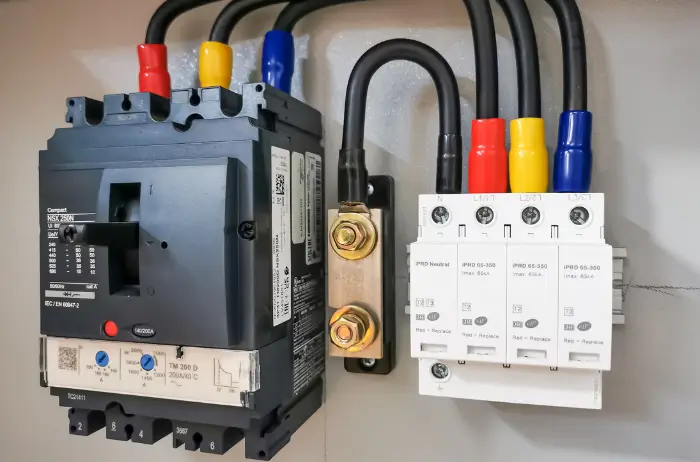
Surge protection refers to the use of specialized devices or systems that limit the impact of these sudden voltage spikes. Surge protectors, often called surge arresters or voltage surge protectors, are designed to divert excess voltage to the ground or limit the amount of voltage passing through the device to a safe level.

Surge protection is essential because:

  • Prevention of Damage: It prevents power surges from damaging sensitive electronic equipment like computers, televisions, refrigerators, and industrial machines.
  • Extended Equipment Lifespan: Proper surge protection can prolong the life of electrical devices by preventing wear caused by frequent voltage fluctuations.
  • Fire Prevention: By limiting excess electrical current, surge protection reduces the risk of electrical fires caused by short circuits and overheating.
  • Improved Safety: Surge protection helps ensure the safety of the entire electrical system, preventing dangerous voltage levels that could lead to electrocution or other hazards.

How Surge Protection Works

Surge protection devices work by either redirecting or absorbing the excess voltage to prevent it from reaching sensitive equipment. The key components involved in surge protection are:

  • Metal Oxide Varistor (MOV): This is one of the most common components used in surge protectors. When the voltage exceeds a certain threshold, the MOV conducts electricity to ground, redirecting the surge away from the protected device.
  • Gas Discharge Tube (GDT): A gas discharge tube is another type of component used in surge protectors. It conducts when the voltage exceeds a specific level, allowing the excess current to flow through the tube and safely discharge it.
  • Transient Voltage Suppressor (TVS): A TVS diode is designed to absorb or clamp voltage spikes by acting as a short circuit for a brief period, thus protecting the device from a surge.
  • Capacitors: These components help to smooth out power surges and reduce their impact on sensitive equipment.
  • Grounding: Proper grounding ensures that the excess voltage is safely directed to the earth, avoiding harm to the electrical system or devices connected to it.

Surge protection can be applied at various points in the electrical system, such as at the point of entry (main panel), at individual devices (outlet strip), or for specific equipment (industrial machinery).

Why Surge Protection is Essential for Homes

For homeowners, surge protection is vital in preventing damage to the electrical appliances and devices that we rely on daily. Homes today are filled with a wide array of sensitive electronics—computers, refrigerators, HVAC systems, microwaves, and entertainment systems, to name just a few. Without proper surge protection, these appliances are at risk of being damaged during power surges.

Common Causes of Power Surges in Homes:

  • Lightning Strikes: Direct or nearby lightning strikes can send powerful surges through the electrical grid, affecting anything connected to it.
  • Power Grid Switching: When power companies switch on or off high-voltage transmission lines, it can create momentary surges that travel into homes.
  • Faulty Wiring: Poorly maintained or old electrical wiring can increase the likelihood of power surges. Loose connections or improperly grounded circuits can create instability.
  • Large Appliances: High-powered appliances like air conditioners, refrigerators, and washing machines can create surges when they are switched on or off.

Types of Surge Protection for Homes:

  • Whole-House Surge Protectors: Installed at the main electrical panel, these protect the entire house from power surges by blocking excess voltage from entering the electrical system.
  • Point-of-Use Surge Protectors: These are the common surge protectors used for individual devices, typically in the form of power strips or plugs. They are ideal for protecting sensitive electronics like computers, TVs, and gaming consoles.

By investing in quality surge protection, homeowners can avoid costly repairs or replacements of their electrical devices.

Surge Protection in Industrial Applications

In industrial settings, surge protection is even more critical. Industrial equipment often involves complex machinery, electrical systems, and valuable data servers that are integral to production processes. A single power surge can result in expensive downtime, damaged machinery, or loss of valuable data. Therefore, industrial surge protection systems need to be more robust, with multiple layers of defense.

Challenges in Industrial Surge Protection:

  • Large-Scale Equipment: Industrial machinery, including motors, PLCs (Programmable Logic Controllers), and HVAC systems, are often exposed to frequent surges that can lead to operational failure if not adequately protected.
  • Critical Data Systems: Data centers and control rooms contain sensitive electronic equipment that requires constant uptime. A power surge could wipe out entire systems, resulting in both financial loss and data loss.
  • Environmental Factors: Industries located in areas prone to thunderstorms or unstable power grids must have enhanced surge protection measures in place to ensure continuity of operations.

Types of Surge Protection for Industries:

  • Type 1 Surge Protection: Installed at the main distribution board, these systems offer high-energy protection and are ideal for preventing surges caused by external factors like lightning strikes.
  • Type 2 Surge Protection: Installed at sub-distribution boards, these protect sensitive equipment within the facility from internal electrical surges.
  • Type 3 Surge Protection: These are point-of-use devices that protect individual pieces of equipment, such as computers or control systems, from local electrical spikes.

In industrial applications, surge protection solutions should be custom-designed to fit the specific needs of the operation, taking into account factors like the type of machinery, location, and the vulnerability of critical systems.

Surge Protection for Homes and Industries: Why LES Ecotonik System is the Right Choice

When selecting a surge protection system, it’s crucial to work with a reliable and experienced surge protection manufacturer. LES Ecotonik System is a trusted name in the industry, known for its high-quality surge protection solutions for both homes and industries. With a focus on safety, durability, and advanced technology, LES Ecotonik System offers a wide range of surge protection products tailored to meet the unique needs of residential and industrial clients alike.

Why Choose LES Ecotonik System?
  • Innovative Technology: LES Ecotonik System integrates the latest advancements in surge protection technology, ensuring the best possible protection for your home or business.
  • Comprehensive Solutions: Whether you’re looking for whole-house protection or industrial-grade devices for heavy machinery, LES Ecotonik System offers a full range of surge protectors designed for different applications.
  • Reliability: Known for their high-quality construction, LES Ecotonik System products are designed to withstand even the most challenging electrical environments.
  • Customizable Options: LES Ecotonik System works with clients to design surge protection solutions that are perfectly suited to their specific needs, offering both standard and custom options.

By choosing LES Ecotonik System, you can have peace of mind knowing that your electrical system is equipped with the best surge protection available.

Conclusion

Surge protection is not just a luxury; it is a necessity for both homes and industries. Power surges can cause catastrophic damage to sensitive electronic equipment, resulting in costly repairs, downtime, and even safety hazards. By investing in the right surge protection solutions, you can protect your assets, improve safety, and prolong the life of your electrical systems.
Whether you are a homeowner or an industrial operator, choosing the right surge protection device is essential. LES Ecotonik System offers a wide range of reliable, high-quality surge protectors designed to meet the diverse needs of both residential and industrial customers. With their innovative solutions and commitment to safety, LES Ecotonik System is the ideal partner for protecting your home or business from the risks of power surges.
With this guide, you now have a solid understanding of surge protection and why it’s so crucial for electrical systems in both homes and industries. Ensure that your electrical infrastructure is equipped to handle power surges, and consider contacting a trusted surge protection manufacturer like LES Ecotonik System for the best protection solutions on the market.

Why Lightning Protection Systems Matter for Modern Infrastructure

Trusted Lightning Arrester Manufacturer in Ahmedabad

Why Lightning Protection Systems Matter for Modern Infrastructure

Why Lightning Protection Systems Matter for Modern Infrastructure

In an age where infrastructure projects are becoming more advanced and resilient, one critical element often overlooked is lightning protection. Whether it’s a skyscraper in a city skyline, a large industrial facility, or even a modern residential building, lightning strikes pose a significant risk to both human safety and the integrity of the structures themselves. The economic and safety implications of lightning-related damage cannot be overstated, and a proper lightning protection system (LPS) is essential to mitigate these risks.

In this post, we’ll explore why lightning protection systems are vital for modern infrastructure, how they work, and the role that lightning arresters play in safeguarding structures. We’ll also focus on the importance of choosing the right lightning protection solution and introduce LES Lightning, a trusted lightning arrester manufacturer in Ahmedabad, offering solutions to protect your property and assets from the unpredictable force of nature.

The Growing Need for Lightning Protection in Modern Infrastructure

As the world becomes increasingly urbanized, lightning strikes pose a greater risk than ever before. High-rise buildings, power plants, communication towers, and other vital structures are often vulnerable to lightning strikes. Modern infrastructure is more susceptible to these hazards due to the increasing use of electronic systems, metallic frames, and high-energy equipment. A lightning strike can lead to catastrophic consequences such as fires, electrical surges, equipment damage, and loss of data.

The growing frequency of extreme weather events, coupled with the rise in modern construction techniques, has heightened the importance of implementing effective lightning protection systems. Here are some key reasons why lightning protection systems matter for modern infrastructure:

1. Preventing Structural Damage

When lightning strikes a building or infrastructure, it can cause severe damage to both the structure and its electrical systems. For example, the intense heat generated by a lightning strike can ignite fires, damage the building’s exterior, or even cause structural collapse. A properly installed lightning protection system, which includes lightning rods and earth grounding systems, safely diverts the lightning strike to the ground, preventing damage to the building itself.

2. Protecting Human Life

In addition to damage to the building, lightning strikes can pose a severe threat to human life. Direct lightning strikes or secondary effects, such as fires or electrical surges, can cause injuries or even fatalities. In commercial buildings, hospitals, schools, and high-traffic public spaces, the risk to human life is a critical concern. A lightning protection system ensures the safety of those inside and around the structure by mitigating the dangers posed by lightning strikes.

3. Safeguarding Electrical and Communication Systems

Modern buildings are heavily reliant on electrical and communication systems for their operation. Lightning strikes can cause power surges or equipment malfunctions, resulting in costly downtime, equipment replacement, and data loss. A well-designed lightning protection system includes surge protection devices and lightning arresters that help safeguard critical infrastructure, including data centers, communication towers, and electrical systems, from lightning-induced power surges.

4. Reducing Economic Loss

The financial consequences of lightning strikes can be significant. Damaged equipment, lost productivity, insurance claims, and repairs can quickly add up. For businesses, manufacturing units, and industries that rely on complex machinery or electrical systems, lightning damage can result in substantial downtime, affecting profits and productivity. Lightning protection systems are a long-term investment that can help minimize these risks and save businesses from unexpected losses.

5. Legal and Insurance Compliance

In many regions, there are strict building codes and regulations that require the installation of lightning protection systems for new constructions, especially for tall buildings and industrial complexes. Non-compliance with these regulations can lead to penalties, legal issues, or denial of insurance claims. Having a lightning protection system in place ensures compliance with local safety standards and helps businesses avoid costly legal and insurance complications.

How Lightning Protection Systems Work

A lightning protection system (LPS) is designed to intercept, conduct, and safely dissipate the energy from a lightning strike into the ground, preventing damage to the structure. The core components of a typical lightning protection system include:

1. Air Terminals (Lightning Rods)

The lightning rod, or air terminal, is a metal pole installed at the highest point of the building or structure. Its primary function is to intercept the lightning strike and direct it safely down to the ground. The air terminal is made of highly conductive materials, such as copper or aluminum, to ensure that the lightning energy flows smoothly into the system.

2. Conductors

The conductors are the copper or aluminum cables that connect the air terminals to the ground system. These cables are carefully routed along the building’s surface or within walls to provide a clear, unobstructed path for the lightning energy to travel. Conductors must be properly sized to handle the electrical energy from a lightning strike without damage.

3. Grounding System

The grounding system is an essential component of the LPS, as it safely disperses the lightning energy into the earth. The system consists of grounding electrodes, such as copper plates or rods, buried deep in the ground to provide low resistance to the flow of electricity. A well-designed grounding system ensures that lightning energy is effectively dissipated into the earth without causing harm to the building or its occupants.

4. Surge Protection Devices

Surge protectors are additional components often integrated into lightning protection systems to safeguard electrical equipment from power surges caused by lightning strikes. These devices are installed in the electrical system and prevent surges from damaging sensitive equipment like computers, servers, and HVAC systems.

5. Bonding and Earthing

Bonding refers to the process of electrically connecting different metal parts of the building (such as plumbing, electrical systems, and structural elements) to the lightning protection system. This helps reduce the potential difference between various parts of the building, minimizing the risk of electrical shock or fire during a lightning strike.

The Role of Lightning Arresters in Modern Infrastructure

Lightning arresters, also known as lightning rods or surge protectors, are essential components in the broader lightning protection system. They are designed to intercept lightning strikes and direct the electrical energy away from vulnerable parts of the infrastructure. Whether for a residential building, industrial complex, or commercial property, installing high-quality lightning arresters ensures that the system works efficiently, providing maximum protection.

Why You Need a Reliable Lightning Arrester Manufacturer in Ahmedabad

When selecting a lightning arrester for your infrastructure, it’s crucial to source it from a reliable manufacturer that ensures the highest standards of quality, efficiency, and compliance with safety norms. LES Lightning, a leading lightning arrester manufacturer in Ahmedabad, offers a wide range of advanced lightning protection solutions designed to meet the unique needs of modern infrastructure.

Why Choose LES Lightning for Your Lightning Protection Needs?

  • High-Quality Products: LES Ecotonik System manufactures lightning arresters using premium materials like copper and aluminum, ensuring durability and efficient performance during lightning strikes.
  • Custom Solutions: Whether you’re constructing a new building, upgrading an old system, or dealing with unique site conditions, LES Lightning offers custom solutions to meet your specific requirements.
  • Compliance with Safety Standards: LES Lightning ensures that all products adhere to local and international safety standards, helping you comply with building codes and regulations.
  • Expert Installation and Support: With decades of experience in the industry, LES Lightning provides professional installation and support services, ensuring that your lightning protection system operates flawlessly.
LES Lightning: Leading the Way in Lightning Protection Systems

LES Lightning is a trusted name when it comes to lightning protection systems in Ahmedabad and across India. With a strong focus on innovation, quality, and customer satisfaction, LES Lightning offers cutting-edge lightning arresters and other components that protect buildings, industrial complexes, and infrastructure from the dangers of lightning.

As a lightning arrester manufacturer in Ahmedabad, LES Lightning specializes in designing and supplying reliable, high-performance systems tailored to the needs of various industries. Whether you’re building a new facility, retrofitting an old structure, or looking to upgrade your existing system, LES Lightning is the go-to provider for state-of-the-art lightning protection solutions.

Conclusion

In 2025, lightning protection systems are more important than ever in safeguarding modern infrastructure. With the increasing complexity of buildings and the growing reliance on electronic systems, ensuring your property is equipped with an effective lightning protection system is a critical investment in safety, reliability, and compliance.

From preventing structural damage to protecting human life and minimizing economic loss, the benefits of a lightning protection system cannot be overstated. With the expertise of a reputable lightning arrester manufacturer in Ahmedabad like LES Lightning, you can ensure that your infrastructure is fully protected from the risks of lightning strikes.

Don’t wait until it’s too late—invest in a high-quality lightning protection system today, and ensure your infrastructure is prepared to withstand nature’s unpredictable force.

Top Features to Look for in High-Quality CT PT Transformers

Top CT PT Transformer Supplier in Delhi

Top Features to Look for in High-Quality CT PT Transformers

Introduction

In the complex network of modern electrical systems, CT (Current Transformer) and PT (Potential Transformer) units are vital components that ensure accuracy, safety, and efficiency. These transformers play an essential role in power distribution, metering, and protection. Choosing a high-quality CT PT transformer is crucial for industries, substations, and commercial establishments to maintain reliable and stable electrical performance. But what makes a CT PT transformer high quality? Let’s explore the top features that distinguish superior units from average ones.

Understanding the Role of CT PT Transformers

CT PT transformers serve as intermediary devices between high-voltage electrical circuits and measuring instruments or protective relays. Their primary role is to step down high current and voltage levels to manageable and measurable values for meters and relays.

Current Transformers (CTs): Reduce high currents to standardized lower levels (typically 1A or 5A), enabling accurate metering and safe monitoring.
Potential Transformers (PTs): Also known as Voltage Transformers (VTs), lower high voltage to safe values (typically 110V) suitable for protective relays and metering devices.

These transformers ensure that engineers and technicians can safely monitor, measure, and control power systems without direct contact with high-voltage circuits.

Why Quality Matters in CT PT Transformers

High-quality CT PT transformers are critical for accuracy, reliability, and long-term performance. Low-grade or poorly designed transformers can result in inaccurate readings, equipment failures, or even hazardous situations. Investing in a premium transformer ensures:

• Precise measurement for billing and monitoring.
• Long service life and minimal maintenance.
• Consistent protection for connected equipment.
• Compliance with electrical safety and performance standards.

A well-built CT PT transformer not only ensures the accuracy of energy data but also safeguards both equipment and personnel.

1. Accuracy Class and Performance Standards

Accuracy is one of the most critical aspects of CT PT transformers. The accuracy class defines how closely the transformer’s output matches the actual current or voltage.

For metering applications, accuracy classes like 0.1, 0.2, 0.5, or 1.0 are preferred, depending on precision requirements. For protection transformers, classes such as 5P, 10P, or PX ensure that even during fault conditions, the transformer provides reliable readings.

High-quality units conform to international standards like:

• IEC 60044 or IEC 61869
• IS 2705 (for CTs)
• IS 3156 (for PTs)

Choosing transformers tested and certified under these standards ensures dependable and consistent performance.

2. Core Material and Construction Quality

The magnetic core is the heart of any transformer. Its quality directly influences the transformer’s accuracy and efficiency.

High-grade CT PT transformers use cold-rolled grain-oriented (CRGO) silicon steel cores, known for their:

• Low core losses
• High magnetic permeability
• Stable performance under varying loads

Some premium models also incorporate amorphous cores that offer even lower losses and improved efficiency. Additionally, the core insulation, winding tightness, and oil quality (in oil-filled transformers) play a major role in ensuring durability and stability.

3. Thermal and Mechanical Durability

Electrical transformers are exposed to heat, vibration, and environmental stress. A quality CT PT transformer must withstand these challenges without degradation.

Key thermal and mechanical features include:
• High insulation resistance to prevent dielectric breakdown.
• Temperature rise control through efficient design and high-quality materials.
• Shock and vibration resistance to handle physical stress during operation or transport.

Durability ensures that the transformer can operate continuously under diverse environmental conditions, from industrial plants to outdoor substations.

4. Insulation and Dielectric Strength

Insulation quality is a decisive factor in ensuring safety and performance. The dielectric strength determines how well a transformer can handle high voltages without breakdown.

Top manufacturers use:

• Epoxy resin cast insulation for compact and maintenance-free transformers.
• Oil-immersed designs for high-capacity systems needing superior heat dissipation.
• High dielectric materials that resist tracking and aging.

Proper insulation not only enhances safety but also significantly extends the operational life of the transformer.

5. Compact Design and Mounting Flexibility

Modern installations, especially in urban or confined spaces, demand compact and modular CT PT transformers. Space optimization is a growing concern in substations, control rooms, and switchgear panels.

Advanced transformers now come in compact epoxy-cast units, pole-mounted, or indoor panel-mounted configurations, allowing easy installation and flexibility without compromising on performance.

6. Environmental Resistance

A high-quality CT PT transformer must withstand harsh environmental conditions such as humidity, dust, pollution, and temperature variations.

Look for features like:

• UV-resistant enclosures for outdoor models.
• Sealed and moisture-proof designs to prevent corrosion.
• Anti-condensation coatings and stainless steel fittings for longer service life.

Such weatherproofing ensures uninterrupted performance, even in coastal or industrial environments where corrosion and dust are major concerns.

7. Safety Features and Protective Mechanisms

Safety is paramount in electrical systems. Superior CT PT transformers are designed with built-in protective features, including:

• Over-voltage protection
• Short-circuit withstand capacity
• Thermal overload safeguards
• Pressure relief mechanisms (in oil-filled models)

These features prevent accidents, reduce downtime, and protect downstream equipment from electrical faults.

8. Easy Maintenance and Serviceability

Even the best transformers require periodic checks. Quality CT PT transformers are designed for ease of maintenance.

Some common features include:

• Accessible terminals for testing.
• Clear nameplates with technical data.
• Oil level indicators and drain valves for easy inspection (in oil-filled types).
• Plug-and-play design for easy replacement.

Service-friendly design ensures minimal downtime and efficient operation over the transformer’s life span.

9. Compatibility with Digital and Smart Systems

The modern energy landscape is moving toward smart grids and digital monitoring. Advanced CT PT transformers integrate seamlessly with SCADA systems, digital meters, and IoT-based monitoring devices.

Look for transformers equipped with:

• Digital output compatibility
• Communication interfaces (RS-485, Modbus)
• High-frequency response capability

These features enable real-time data analysis, predictive maintenance, and improved system reliability.

10. Energy Efficiency and Low Loss Design

Energy efficiency is an increasingly important factor for both cost savings and sustainability. Premium CT PT transformers minimize energy losses through optimized core design, superior insulation, and high-quality winding materials.

This efficiency translates into:

• Reduced operational costs.
• Lower environmental impact.
• Longer transformer lifespan.

A transformer that operates efficiently under varying loads contributes to a more sustainable and cost-effective power system.

Why Choosing the Right Manufacturer Matters

The performance, durability, and safety of CT PT transformers depend heavily on the manufacturer’s expertise, materials, and quality control. Choosing a trusted CT PT Transformer Manufacturer in Delhi like LES Ecotonik System ensures that every product meets the highest industry benchmarks.

With years of experience and state-of-the-art facilities, LES Ecotonik System specializes in crafting transformers that combine engineering precision, durability, and compliance with IEC and IS standards. Their meticulous testing and advanced insulation technologies ensure consistent, long-lasting performance.

LES Ecotonik System: Pioneering CT PT Transformer Innovation

As a leading CT PT Transformer Manufacturer in Delhi, LES Ecotonik System offers a wide range of transformers designed for metering, protection, and energy management applications. Their transformers are built with:

• CRGO and amorphous cores for reduced losses.
• High dielectric epoxy resin insulation for maximum safety.
• Customizable designs for indoor and outdoor setups.

Their products are trusted by industries, utilities, and infrastructure developers across India for their accuracy and reliability.

Why LES Ecotonik System is the Preferred CT PT Transformer Manufacturer in Delhi

LES Ecotonik System stands out for its commitment to innovation, quality assurance, and customer satisfaction. The company’s transformers are known for their:

• Compliance with global standards (IEC, IS).
• Long operational life and minimal maintenance.
• Seamless integration with modern digital systems.
• Strong focus on safety and energy efficiency.

Their dedication to excellence makes them one of the most reliable names in the Indian transformer industry.

Final Thoughts

Selecting a high-quality CT PT transformer is about more than just technical specifications—it’s an investment in safety, reliability, and operational efficiency. From accuracy class and core material to insulation and energy efficiency, every detail matters.

Partnering with a reputed CT PT Transformer Manufacturer in Delhi like LES Ecotonik System ensures that you get products engineered to meet the most demanding industrial and commercial applications. With their proven expertise and uncompromising quality standards, LES Ecotonik System continues to power progress with precision and trust.