Why Surge Protection is Crucial for Modern Smart Homes

Surge Protection Manufacturer

Why Surge Protection is Crucial for Modern Smart Homes

INTRODUCTION

In today’s fast-evolving technological landscape, the concept of a smart home has moved from a futuristic luxury to a mainstream necessity. With connected devices, intelligent systems, and automated appliances becoming integral to everyday living, homeowners are now more dependent on electronics than ever before. While these advancements bring unparalleled convenience and efficiency, they also introduce new vulnerabilities, especially regarding electrical safety. One such overlooked threat is electrical surges, which can cause devastating damage to sensitive smart home equipment.

Surge protection, therefore, is no longer optional; it is a critical safeguard for modern households, ensuring the longevity, functionality, and safety of connected devices. But what exactly makes surge protection indispensable for smart homes? Let’s delve deeper into the significance, mechanisms, and advantages of investing in robust surge protection solutions.

The Rise of Smart Homes and the Dependence on Electronics

Smart homes are defined by their ability to connect various household systems through a centralized platform or network. From voice-controlled assistants and intelligent lighting to automated climate control and smart security cameras, these technologies work together seamlessly to simplify daily life. The proliferation of Internet of Things (IoT) devices has further amplified this interconnectedness, creating a living space that responds to its occupants’ needs in real time.

However, with great innovation comes great responsibility. Every smart gadget, regardless of its function, relies on stable and continuous electrical power to operate effectively. Electrical fluctuations, especially sudden spikes or surges, can cripple these systems in seconds, rendering costly investments useless and disrupting daily routines.

Understanding Electrical Surges and Their Sources

An electrical surge, or transient voltage, is a brief spike in voltage that exceeds the standard level flowing through electrical circuits. While they might last only microseconds, their effects can be catastrophic for sensitive electronics. Understanding where these surges originate helps in emphasizing the need for protection:

  • Internal Surges: Caused by appliances like refrigerators, air conditioners, and washing machines when they cycle on and off.
  • External Surges: These are more severe and result from:
    • Lightning strikes in the vicinity
    • Downed power lines
    • Faults in the power grid
    • Utility switching or transformer malfunctions

Regardless of the source, without a proper surge protection mechanism in place, these voltage spikes can severely damage or permanently disable smart home devices.

The Vulnerability of Smart Devices to Power Surges

Unlike traditional appliances, smart home devices incorporate sophisticated microprocessors, sensors, and communication modules. These internal components are extremely sensitive to fluctuations in voltage. A power surge can fry circuit boards, disrupt programming, and in worst cases, render the entire system non-functional.

Moreover, with smart homes relying heavily on cloud-based services, connectivity interruptions caused by device malfunctions can lead to data loss, breach of security, and interrupted workflows.

Some of the most vulnerable devices in modern smart homes include:

  • Smart TVs and entertainment systems
  • Home assistants (e.g., Google Home, Amazon Echo)
  • Wi-Fi routers and mesh network hubs
  • Smart thermostats
  • Automated blinds and curtain systems
  • Connected kitchen appliances
  • Smart locks and security cameras

Financial Implications of Ignoring Surge Protection

Beyond the immediate risk of damaged devices, the financial repercussions of ignoring surge protection can be severe. Replacing high-end smart appliances or sophisticated automation systems can cost thousands of dollars. Additionally, the cost of reinstalling, reprogramming, and reconnecting these devices can be both time-consuming and expensive.

Furthermore, certain surge-induced malfunctions may void product warranties. Insurance claims may also become complicated, especially if adequate precautions like surge protectors were not employed.

Surge Protection: How It Works and Why It’s Effective

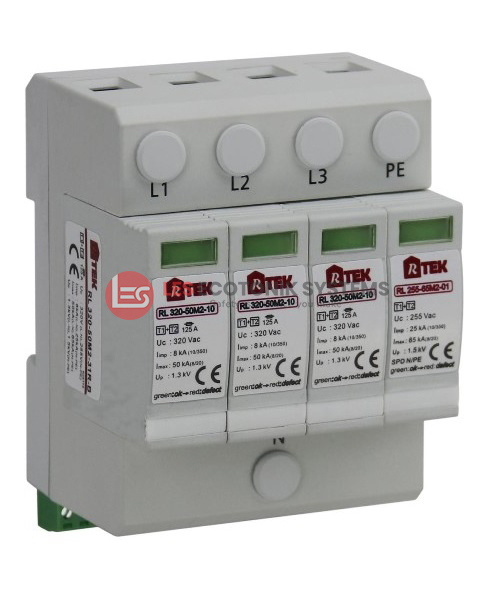
Surge protection systems work by diverting excess voltage away from electronic devices and safely grounding it. These systems use components such as Metal Oxide Varistors (MOVs) to absorb the surplus voltage and redirect it harmlessly. Types include:

  • Point-of-Use Surge Protectors: Power strips or wall units used behind entertainment centers or desks.
  • Whole-House Surge Protectors: Installed at the main panel to protect the entire household.
  • Specialty Surge Protectors: Used for HVAC units, security hubs, or home servers.

Investing in both whole-house and point-of-use surge protection is the best strategy for complete safety.

Enhancing Smart Home Resilience with Surge Protection

Beyond preventing equipment damage, surge protection enhances resilience and stability in smart homes. Key benefits include:

  • Increased Equipment Lifespan: Devices last longer and operate more efficiently.
  • Minimized Downtime: Essential systems like security and HVAC continue functioning during surges.
  • Protection of Data Integrity: Prevents data loss in cloud-based or synced systems.
  • Peace of Mind: Homeowners can enjoy their tech without fear of hidden electrical threats.

Choosing the Right Surge Protection: Partnering with Experts

When selecting surge protection solutions, homeowners should opt for certified devices that comply with national standards. Partnering with experts ensures protection is tailored to each home’s specific needs. With professional guidance, homeowners can build a safety net that ensures long-term reliability and performance.

Why Choose LES Ecotonik System: Trusted Surge Protection Manufacturer

When it comes to protecting valuable smart home investments, LES Ecotonik System stands out as a leading Surge Protection Manufacturer. Their products are engineered to safeguard even the most advanced ecosystems, offering unmatched protection and peace of mind.

What sets LES Ecotonik System apart:

  • Exceeds industry benchmarks through rigorous design and testing
  • Offers a wide range of solutions from point-of-use to whole-house systems
  • Provides expert consultation and tailored recommendations

Choosing LES Ecotonik System means investing in long-term safety and uninterrupted performance for your smart home.

Safeguard Your Smart Home with Trusted Surge Protection
CONCLUSION

As the world embraces smarter living spaces, protecting your technological investments becomes more important than ever. The growing dependency on interconnected devices means that even a minor electrical surge can disrupt comfort and critical operations.

By proactively investing in surge protection, homeowners can avoid costly repairs, maintain uninterrupted connectivity, and extend the life of their valuable electronics.

Choosing a reliable Surge Protection Manufacturer the key to ensuring comprehensive protection. LES Ecotonik System stands out for its expertise, innovation, and product reliability. Their advanced solutions are built for modern homes, providing safety and performance in one powerful package.

Don’t leave your home’s future vulnerable to unpredictable electrical events. Trust LES Ecotonik System to fortify your smart home—ensuring safety, stability, and long-term peace of mind.
How Lightning Arresters Protect Solar Panel Installations

Lightning Arrester Manufacturer in Chennai

INTRODUCTION

Solar Energy’s Bright Future Comes with Invisible Risks

As the global focus shifts toward sustainability and renewable energy, solar panels are rapidly becoming a popular choice for homeowners, businesses, and industries alike. These sleek, silent, and efficient systems are now found on rooftops, open grounds, and even floating installations. However, with this surge in solar adoption comes a hidden but significant risk of lightning strikes.

Solar panels are usually placed in open, elevated spaces to receive maximum sunlight. Ironically, these ideal conditions also make them highly vulnerable during thunderstorms. A single bolt of lightning can damage or destroy a solar installation worth lakhs of rupees in seconds. That’s where lightning arresters come in as the unsung heroes, shielding solar systems from electrical fury unleashed by nature.

This article explores how lightning arresters work, why they are critical for solar setups, and how the right protection strategy can save investments, equipment, and even lives.

Understanding the Threat: Why Lightning Is a Major Concern for Solar Systems

Lightning is one of the most powerful and unpredictable natural phenomena. A single lightning strike carries electrical energy ranging between 100 million to 1 billion volts. When it hits the ground or any elevated structure this energy can cause massive destruction.

For solar panel systems, the risk is even more pronounced due to:

  • Height and exposure: Rooftop and elevated installations are more susceptible
  • Metallic frames and wiring: Good conductors that can carry lightning’s energy
  • Delicate electronics: Inverters and control systems can be damaged instantly
  • Expensive replacement costs: A damaged solar system is costly to repair or replace

Even if a strike doesn’t make direct contact, nearby strikes can induce surges through grounding systems or utility lines, causing silent but severe damage to the sensitive components of the solar setup.

What is a Lightning Arrester and How Does It Work?

A lightning arrester, also known as a surge diverter or lightning protection device, is designed to protect electrical systems by diverting high-voltage surges safely into the ground. The basic mechanism involves:

  • Detection of voltage surge: When the voltage exceeds a threshold, the arrester activates
  • Diversion to ground: The excess energy is diverted away from the system to a safe grounding path
  • Normal operation resumes: Once the surge passes, the system returns to its regular state without disruption

In the context of solar systems, lightning arresters are typically installed at multiple points:

  • At the solar panel level (DC side)
  • Near the inverter (AC side)
  • At the main power distribution board
  • Along grounding systems

This layered protection ensures that whether lightning strikes directly or indirectly, the surge is handled efficiently without harming your solar equipment.

Types of Lightning Arresters for Solar Installations

Solar panel systems are complex and consist of various components that operate at both AC and DC voltages. Therefore, the lightning protection strategy must cover all aspects of the system. Common types of lightning arresters used in solar applications include:

  • DC Surge Protection Devices (SPDs): Installed between solar panels and the inverter
  • AC SPDs: Protect the inverter from surges on the output side
  • Combined Type 1+2 Arresters: Offer protection against both direct and indirect strikes
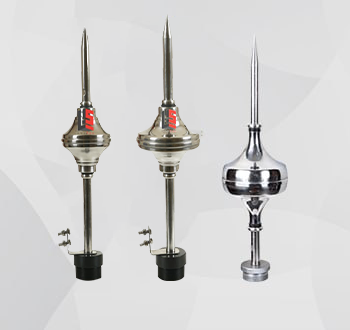
  • Point Discharge Arresters (ESE Systems): Installed on tall buildings to divert lightning at the atmospheric level

Choosing the correct type depends on system size, installation environment, local lightning density, and regional regulations.

The Role of Grounding in Lightning Protection

No lightning arrester can perform effectively without a proper grounding system. The entire concept of surge diversion hinges on the ability to transfer excess voltage into the earth quickly and safely. An effective grounding system should:

  • Have low resistance (typically less than 1 ohm)
  • Be corrosion-resistant and long-lasting
  • Be maintained and tested regularly
  • Connect all metallic and electrical parts uniformly

Neglecting grounding is one of the most common and costly mistakes in solar installations. A well-designed lightning arrester combined with a faulty ground system is like having a parachute that doesn’t open.

Risks of Not Using Lightning Arresters in Solar Systems

Ignoring or postponing the installation of lightning arresters can result in serious consequences:

  • System Downtime: Entire solar plants may be shut down for weeks during repair
  • Equipment Failure: Inverters, batteries, and MPPT controllers are especially fragile
  • Fire Hazards: Voltage surges can cause sparks, leading to fires in enclosed areas
  • Data Loss: Some solar systems rely on real-time monitoring; surges can wipe out data
  • Warranty Voids: Many manufacturers require surge protection for claims to be valid

Given these stakes, investing in a lightning protection system is not an option—it’s a necessity.

Best Practices for Integrating Lightning Arresters in Solar Installations

If you’re planning a solar setup or already have one installed, here are best practices for protection:

  • Risk Assessment: Evaluate the strike probability in your region and site
  • Choose Certified Devices: Always select IS/IEC-compliant arresters
  • Layered Protection: Use both AC and DC surge protection for complete safety
  • Regular Maintenance: Inspect SPDs, check grounding resistance, and replace worn parts
  • Professional Installation: Always engage certified electrical engineers or specialists

Incorporating these steps ensures your solar energy system remains efficient and safe throughout its operational life.

Why Lightning Protection Is Critical in High-Risk Zones

LES India experiences a high frequency of lightning activity, especially during the monsoon months. Coastal cities like Chennai are particularly prone due to their geographical location. This makes lightning protection systems an essential part of solar infrastructure, not just for large commercial plants but also for residential and small-scale installations.

With the increasing push for green energy, the number of solar panels in cities like Chennai is skyrocketing. But this growth must be matched with equal investment in safety infrastructure, particularly lightning arresters. After all, clean energy should also be safe energy.

Choosing the Right Manufacturer Makes All the Difference

There’s no one-size-fits-all when it comes to lightning protection. From choosing the right arrester model to ensuring proper coordination between DC and AC systems, expertise is key. That’s why it’s essential to work with a specialist who understands both the technical and environmental aspects of lightning protection.

If you’re installing solar panels in a high-risk zone like Tamil Nadu, it’s best to consult with a trusted Lightning Arrester Manufacturer in Chennai who can provide certified, custom-designed solutions for your pro

Is It Necessary to Calibrate CT PT Transformers Regularly?

Is It Necessary to Calibrate CT PT Transformers Regularly?

Introduction

Current Transformers (CT) and Potential Transformers (PT) are critical components of power systems, used for measurement, monitoring, and protection. Their accuracy directly impacts the performance and safety of electrical networks. Therefore, the question arises: Is it necessary to calibrate CT PT transformers regularly? This blog dives deep into the importance of regular calibration, its impact on system reliability, and the best practices involved.

What Are CT and PT Transformers?

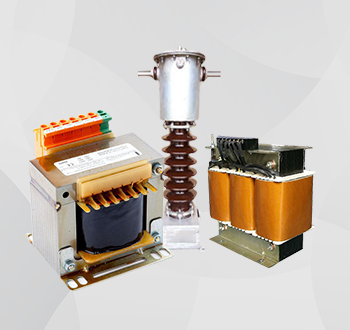
Current Transformers (CTs) are devices that reduce high currents to manageable values for measurement or protection devices. They provide isolated, scaled-down current signals proportional to the primary current flowing through the conductor.

Potential Transformers (PTs), also known as voltage transformers, step down high voltages to lower, standardized voltages for metering and protective relays. Both types are indispensable in power distribution, energy metering, and protection schemes.

Why Calibration of CT PT Transformers Matters

Calibration is the process of verifying and adjusting the accuracy of CT and PT transformers. Over time, factors such as aging, environmental conditions, mechanical stresses, and electrical disturbances can affect their performance. Regular calibration ensures:

  • Accuracy: Measurement devices receive precise data, crucial for billing and system monitoring.
  • Protection: Protective relays rely on accurate signals from CT/PTs to detect faults and isolate faulty sections.
  • Compliance: Calibration maintains adherence to industry standards and regulatory requirements.
  • Reliability: Regular checks prevent unexpected failures and reduce downtime.
  • Safety: Incorrect readings can lead to unsafe operating conditions.

Without calibration, transformers may produce erroneous signals, leading to misoperation of protective devices or inaccurate metering, which can be costly and dangerous.

When Should CT PT Transformers Be Calibrated?

The frequency of calibration depends on several factors:

  • Manufacturer Recommendations: Typically, manufacturers suggest calibration intervals.
  • Usage Conditions: Harsh environments with temperature fluctuations, humidity, or pollution may require more frequent calibration.
  • Criticality of Application: Transformers used in critical systems like power plants may require stricter schedules.
  • Historical Data: Past calibration results can help determine optimal intervals.

In general, an annual or bi-annual calibration cycle is common practice for most CT/PT transformers.

How Is Calibration Performed?

Calibration involves comparing the output of the CT/PT transformer to a known standard or reference device under controlled conditions. The steps typically include:

  1. Visual Inspection: Checking for physical damage, corrosion, or loose connections.
  2. Electrical Testing: Applying test currents or voltages and measuring output signals.
  3. Accuracy Verification: Comparing measurements with certified standards to determine errors.
  4. Adjustment: If deviations exceed permissible limits, adjustments or repairs are made.
  5. Documentation: Calibration certificates and reports are generated for compliance and record-keeping.

Modern calibration equipment offers automated and precise testing, reducing human error.

Benefits of Regular Calibration

  • Prevents Financial Losses: Ensures accurate energy billing and prevents revenue loss.
  • Improves System Protection: Avoids malfunctions and reduces fault clearing times.
  • Extends Transformer Life: Early detection of problems prevents permanent damage.
  • Regulatory Compliance: Meets national and international standards like IEC and ANSI.
  • Enhanced Safety: Minimizes risk to personnel and equipment.

Risks of Neglecting Calibration

Ignoring regular calibration can lead to:

  • Faulty relay operation causing blackouts or equipment damage.
  • Incorrect energy measurements leading to disputes or losses.
  • Increased downtime due to undetected transformer failures.
  • Safety hazards from undetected electrical faults.

About LES Ecotonik Systems

LES Ecotonik Systems is a leader in manufacturing precision CT and PT transformers, specializing in high-quality calibration services and customized transformer solutions. With decades of experience and ISO certification, LES focuses on innovation, accuracy, and compliance with global standards.

LES offers comprehensive after-sales support, including routine calibration, maintenance, and troubleshooting services to ensure long-term reliability of your transformers. Their expert engineers and state-of-the-art testing labs help industries maintain optimal power system performance.

Conclusion

In conclusion, regular calibration of CT PT transformers is not just necessary but essential for maintaining accuracy, safety, and efficiency in electrical power systems. Proper calibration prevents costly errors, protects critical infrastructure, and ensures compliance with industry standards.

When seeking reliable CT and PT transformers or calibration services, consider partnering with a reputed CT PT Transformer Manufacturer in Hyderabad. Such manufacturers provide high-quality products combined with professional calibration and maintenance services, safeguarding your investments and operations.

Is a Grounding System Enough Without a Lightning Arrester?

Is a Grounding System Enough Without a Lightning Arrester?

Introduction

Lightning strikes are among nature’s most powerful phenomena. Protecting buildings and electrical equipment from their destructive force requires a comprehensive strategy. Many property owners and facility managers often wonder if having a grounding system alone is sufficient protection or if a lightning arrester is equally essential. In this blog, we’ll explore why a grounding system by itself cannot fully safeguard your property, the role of lightning arresters, and why both are critical for a complete lightning protection system.

What is a Grounding System?

A grounding system, often called earthing, is the method by which electrical currents are safely directed into the earth. It plays a vital role in protecting people and equipment by dissipating unwanted electrical charges such as static electricity or fault currents from electrical systems.

Grounding provides a low-resistance path for electrical energy, helping prevent electrical shock and damage during faults or lightning-induced surges. It typically involves conductive rods or plates driven into the ground and connected to electrical panels or equipment.

Limitations of a Grounding System Alone

While grounding is an important safety measure, relying on it alone to protect against lightning strikes can be insufficient for several reasons:

1. Grounding Doesn’t Intercept Lightning

Lightning arresters are designed to intercept the lightning strike before it hits a structure. Grounding systems only dissipate electricity that has already entered the building. Without arresters to attract and divert lightning, a structure is vulnerable to direct strikes, which can cause catastrophic damage.

2. Risk of High Voltage Surges

Lightning generates extremely high voltage surges—far beyond what normal grounding can safely handle. Without lightning arresters to reduce these surges, the electrical system may be exposed to dangerous spikes, damaging sensitive electronics and wiring.

3. Increased Fire Hazards

A lightning strike without proper interception and controlled grounding can lead to fire outbreaks. Lightning arresters reduce this risk by controlling where and how the lightning energy enters the ground, preventing uncontrolled sparks.

4. Equipment Damage

Modern buildings rely heavily on sensitive electronic equipment. Grounding systems protect basic electrical faults but do not provide surge protection required during lightning events. Lightning arresters are essential to protect these devices from voltage spikes.

The Role of a Lightning Arrester

A lightning arrester (or lightning rod) is a critical component that works alongside a grounding system. It is a pointed metal rod installed at the highest points of a structure designed to:

  • Attract Lightning Strikes: Direct the lightning current away from the building by providing a preferred path.
  • Safely Conduct Current to Ground: The arrester directs the lightning energy to the grounding system in a controlled manner.
  • Protect Electrical Circuits: Lightning arresters often include surge protection devices to shield electrical installations from voltage spikes.

By combining lightning arresters with grounding, the entire system becomes a proactive defense against lightning hazards.

Comprehensive Lightning Protection System

A complete lightning protection system includes

  • Lightning Arrester: To intercept and divert lightning.
  • Conductors: To connect arresters to the grounding system.
  • Grounding/Earthing System: To safely dissipate the electrical charge into the earth.
  • Missing or incomplete certification paperwork
  • Surge Protection Devices: To safeguard electrical equipment from voltage spikes.

Each element plays a vital role, and neglecting one can compromise overall safety.

Real-World Importance of Combined Systems

Industries such as telecommunications, power plants, hospitals, and manufacturing plants depend heavily on uninterrupted power and equipment safety. In such sectors, a grounding system without lightning arresters can lead to costly downtime, equipment loss, and safety hazards.

Residential buildings also benefit greatly from this integrated protection, especially in regions prone to thunderstorms.

About LES Ecotonik Systems

LES Ecotonik Systems is a leading Indian company providing advanced lightning protection and grounding solutions. With over three decades of experience, LES specializes in designing and supplying lightning arresters, surge protection devices, earthing materials, and related products that comply with national and international standards.

Known for their quality products and expert consultation services, LES Ecotonik Systems serves diverse sectors, ensuring safety and reliability. The company is ISO certified and recognized among the top MSMEs in India, a testament to their commitment to excellence.

Their expert team helps customers assess existing systems, recommend upgrades, and deliver turnkey installation services — making them a trusted partner for comprehensive lightning safety.

Conclusion

While a grounding system is essential for electrical safety, it is not enough without a lightning arrester. Lightning arresters intercept the lightning strike and safely channel its immense energy to the ground, preventing direct hits and dangerous voltage surges. Together, these components form a complete lightning protection system that safeguards lives, property, and sensitive equipment.

For those seeking reliable protection, partnering with a trusted Lightning Arrester Manufacturer in Bengaluru and Lightning Arrester Manufacturer in Chennai ensures access to high-quality, code-compliant lightning safety solutions. Such collaboration guarantees peace of mind and robust protection against nature’s fiercest electrical threat.

Is Earthing and Bonding Mandatory as per Indian Electrical Standards?

Is Earthing and Bonding Mandatory as per Indian Electrical Standards?

Introduction

Electrical safety remains a top priority in residential, commercial, and industrial sectors. Two critical elements in this safety framework are earthing and bonding. Often discussed together but sometimes misunderstood, earthing and bonding are fundamental to preventing electrical shocks, equipment damage, and fire hazards. But are these practices truly mandatory according to Indian electrical standards? In this blog, we will explore the legal and technical aspects of earthing and bonding as per Indian regulations, their importance, and how they protect lives and property.

Understanding Earthing and Bonding

Before delving into regulations, it is essential to understand what earthing and bonding mean.

  • Earthing is the process of connecting electrical installations to the earth through a low-resistance path. This ensures any fault current, leakage, or surge is safely dissipated into the ground, protecting people and equipment.
  • Bonding is the practice of connecting various metallic parts of electrical equipment and conductive parts (like pipes, structural steel, and enclosures) to create an equipotential plane. This minimizes voltage differences that could cause electrical shock or fire.

Both systems work together to ensure safety by preventing the buildup of voltages that can be hazardous during electrical faults or lightning strikes.

What Do Indian Electrical Standards Say?

The Indian Electrical Standards are governed primarily by the Bureau of Indian Standards (BIS) under the code IS 3043: Code of Practice for Earthing. This standard outlines the methods and requirements for earthing installations in India. Additionally, the National Electrical Code (NEC) and the Indian Electricity Rules, 1956 provide regulatory guidelines for electrical safety, including bonding practices.

According to IS 3043 and related standards:

  • Earthing is mandatory for all electrical installations, including domestic, commercial, and industrial premises.
  • Proper bonding of all exposed conductive parts is required to ensure safety and reduce the risk of electric shock.
  • Earthing resistance should be maintained below specified limits (usually 1 to 10 ohms depending on the system).
  • Use of appropriate materials such as copper rods, strips, and earthing conductors is specified.
  • Testing and periodic inspection of earthing and bonding systems are essential for continued compliance and safety.

Why Is Earthing Mandatory?

Earthing forms the backbone of electrical safety for several reasons:

  • Protects Human Life: By providing a safe path for fault currents, earthing prevents the user from receiving electric shocks.
  • Prevents Equipment Damage: Electrical surges and fault currents are diverted safely, reducing the risk of damage to expensive electrical appliances and machinery.
  • Fire Prevention: Fault currents that are not earthed can cause sparks and overheating, which can ignite fires.
  • Ensures System Stability: Earthing stabilizes voltage during transient faults, improving overall system performance.

Why Is Bonding Equally Important?

Bonding complements earthing by ensuring all conductive parts are at the same electrical potential. This prevents voltage differences that could cause dangerous shocks. Some key benefits of bonding are:

  • Reduces Step and Touch Voltage: Ensures that metal parts you might touch are at the same potential, reducing shock risk.
  • Protects Against Lightning and Surges: Bonding prevents dangerous voltages from developing between metal parts during lightning events or surges.
  • Improves Safety in Wet or Hazardous Environments: In places like hospitals, factories, or outdoors, bonding is crucial for enhanced protection.

How Are Earthing and Bonding Implemented?

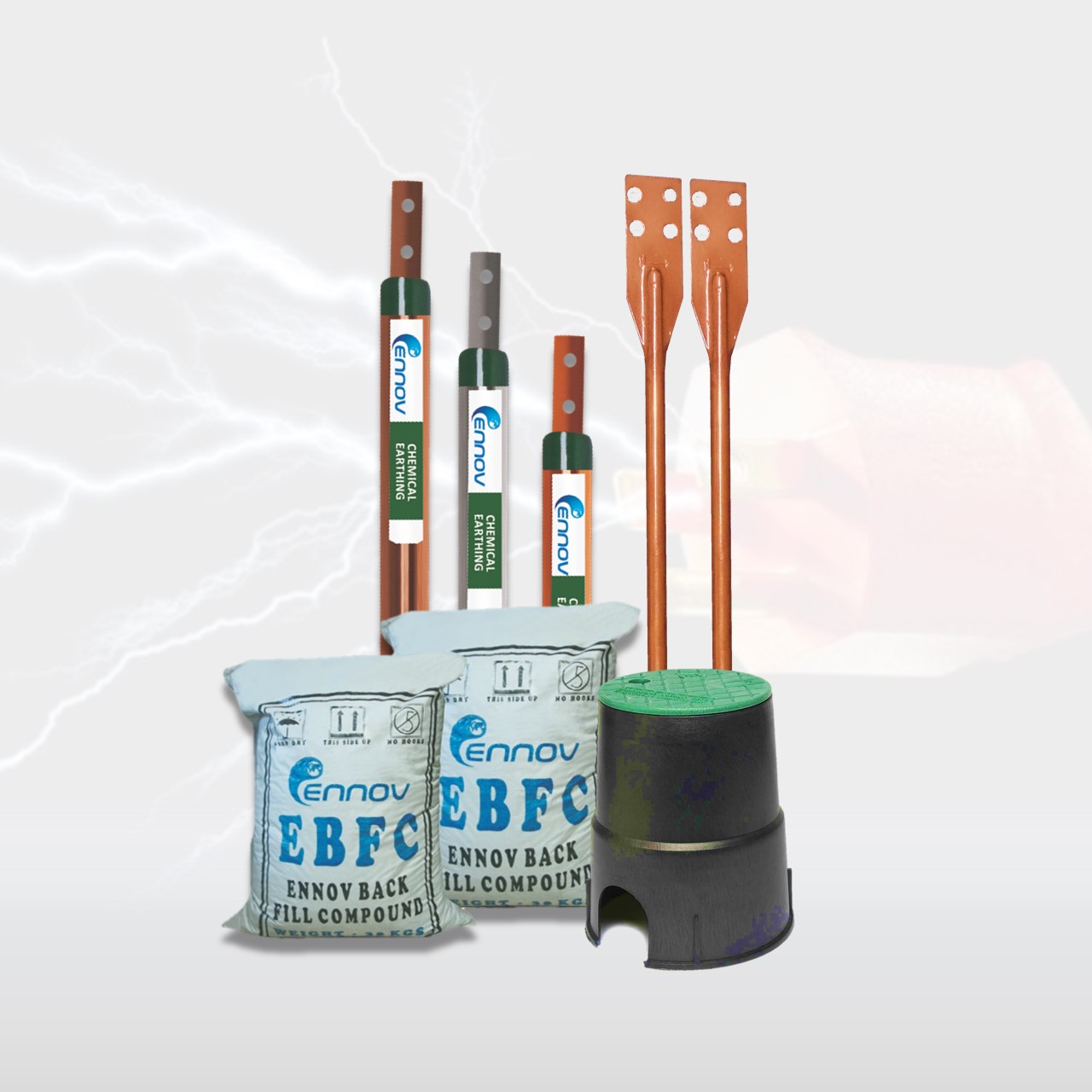
Typical earthing involves the use of copper or galvanized steel rods driven deep into the ground and connected to the electrical system using conductors. Bonding involves linking metal pipes, structural steel, and equipment enclosures with bonding conductors.

A comprehensive safety system includes:

  • Earth electrodes and grounding conductors
  • Main earthing terminals and busbars
  • Bonding jumpers and connectors
  • Surge protection devices

Maintenance and Testing

Periodic inspection and testing of earthing and bonding systems are vital to ensure:

  • Earth resistance remains within permissible limits
  • Connections are secure and corrosion-free
  • Bonding integrity is maintained across the installation

Standards recommend testing every six months to one year, depending on the application.

About LES Ecotonik Systems

LES Ecotonik Systems is a reputed manufacturer and supplier specializing in earthing and bonding solutions, serving industries across India. With over 30 years of expertise, LES offers:

  • High-quality copper earthing rods, strips, and accessories
  • Industrial-grade bonding materials
  • Custom earthing system design and installation services
  • Compliance with IS 3043 and international standards

LES Ecotonik is ISO certified and recognized among India’s top MSME companies, reflecting their commitment to quality and safety. Their expert team ensures that every product meets rigorous testing standards and assists clients with system maintenance and upgrades.

Conclusion

In summary, earthing and bonding are indeed mandatory as per Indian electrical standards. Their role in protecting human lives, preventing equipment damage, and ensuring system reliability is non-negotiable. Compliance with BIS codes like IS 3043 ensures installations are safe, reliable, and legally compliant.

For those seeking trusted solutions, partnering with an experienced Earthing & Bonding Manufacturer in Mumbai and Earthing & Bonding Manufacturer in Pune offers access to superior quality products and professional services. These manufacturers ensure your earthing and bonding systems meet or exceed national safety standards, providing peace of mind and robust protection for your electrical installations.