
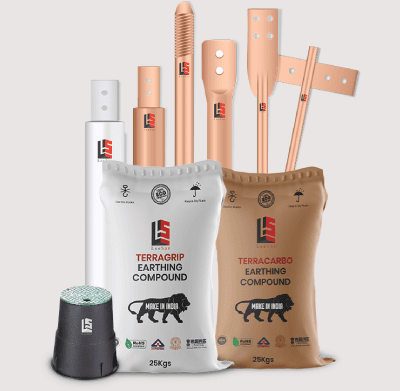
Why ESE Lightning Arresters are the Best Choice for Large Solar Arrays Introduction When we talk about solar power plants, we usually think about clean energy, savings, and sustainability. But there is one hidden challenge that often gets ignored. It is lightning protection. Large solar arrays are installed in open spaces where there are no tall buildings or natural barriers. This makes them highly exposed to lightning strikes. A single strike can affect panels, inverters,
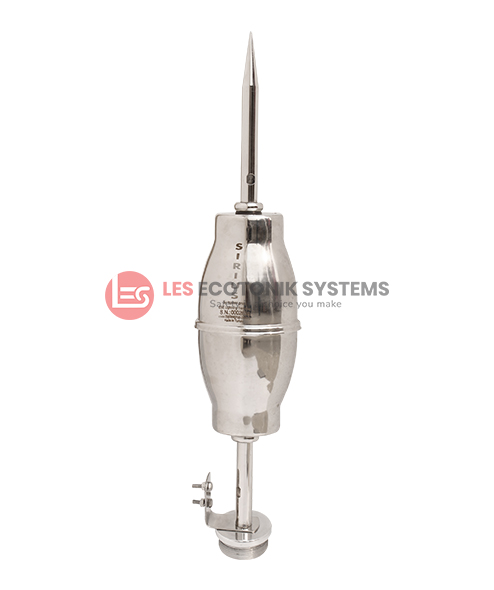
Why Bangalore’s IT Parks and Tech Campuses Need Advanced Lightning Protection Bangalore is India’s technology capital. It is the city where global software giants, homegrown startups, semiconductor firms, aerospace companies, and research institutions have all built their bases. The city’s IT corridors in Whitefield, Electronic City, Manyata Tech Park, Outer Ring Road, and Hebbal house thousands of crores worth of digital infrastructure running every single day without pause. What most facility managers and campus developers
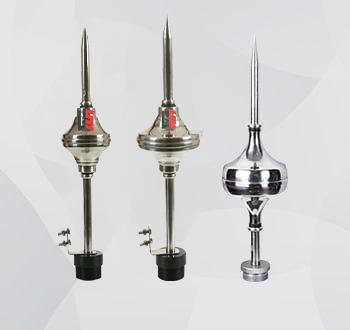
How to Choose the Right Lightning Arrester for High-Rise Buildings in Mumbai Mumbai is one of India’s most dynamic cities. It is home to towering residential skyscrapers, iconic commercial towers, five-star hotels, sprawling IT parks, and critical infrastructure that runs around the clock. With the Arabian Sea on one side and a tropical monsoon climate dominating nearly half the year, Mumbai also experiences some of the most intense thunderstorm activity in the country. For high-rise
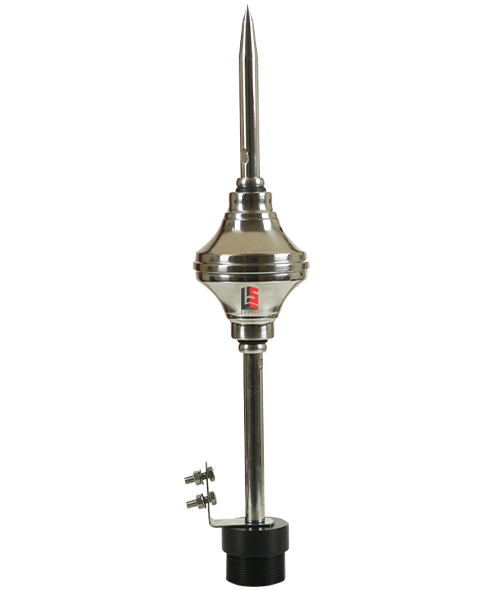
5 Warning Signs Your Lightning Arrester Needs to Be Replaced Right Now Most building owners install a lightning arrester and forget about it. It sits through scorching summers, heavy monsoons, and cold winters. Years pass. Nobody checks it. Then one lightning strike happens and the damage reveals a silent truth: the arrester stopped working long ago. A lightning arrester is not a permanent fixture. It is a protective device with a working lifespan. When it
May 11, 2026
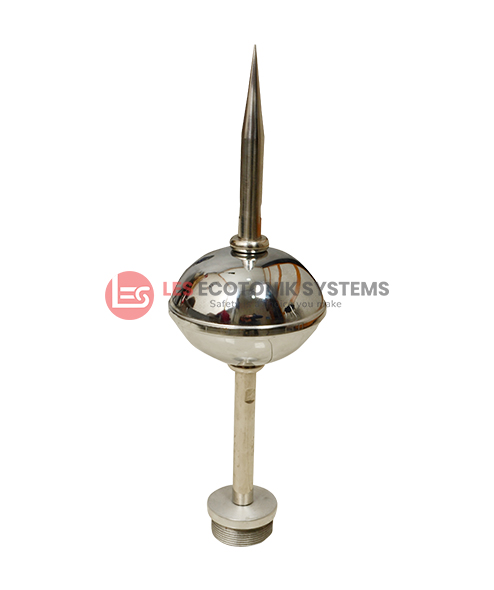
ESE Lightning Arrester vs Conventional Lightning Arrester: Which One Does Your Building Need?
Introduction Every building that stands above the ground carries a risk during a thunderstorm. Lightning does not discriminate between a small office block and a large industrial facility. What matters is height, exposure, and the presence of conductive materials. The real question for every building owner, architect, or facility manager is not whether to install lightning protection but which type of system to install. Two technologies dominate the lightning protection market today. The first is