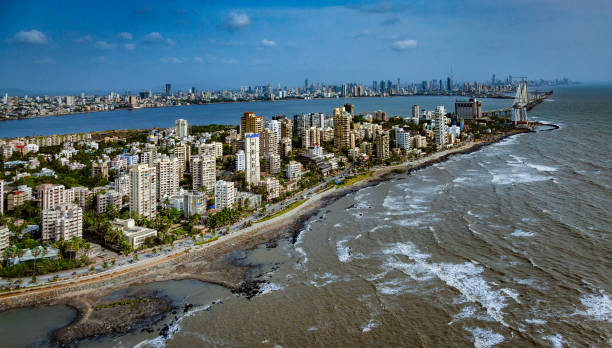
Beating the Monsoon: Managing Corrosion and Lightning Risks in Mumbai’s Coastal Climate Introduction Mumbai’s coastal location brings a unique combination of challenges for building owners and industrial facilities. Salt laden air, heavy monsoon rainfall, and frequent thunderstorms create conditions that accelerate corrosion and increase the risk of lightning damage. For any structure in this city, working with an experienced Lightning Arrester Manufacturer in Mumbai is essential to staying protected year round. Why Mumbai’s Climate Is

June 22, 2026
How Exothermic Welding Improves Earthing System Reliability in Bhubaneswar’s Infrastructure Projects
Introduction Infrastructure development in Bhubaneswar has accelerated sharply over the past decade. The city’s expansion into smart city initiatives, metro rail development, airport upgrades, new industrial corridors, and large commercial zones has brought with it a growing need for electrical safety systems that can match the scale and permanence of the construction. Among all the components of a modern earthing system, the method used to join conductors together is one of the most overlooked. Most
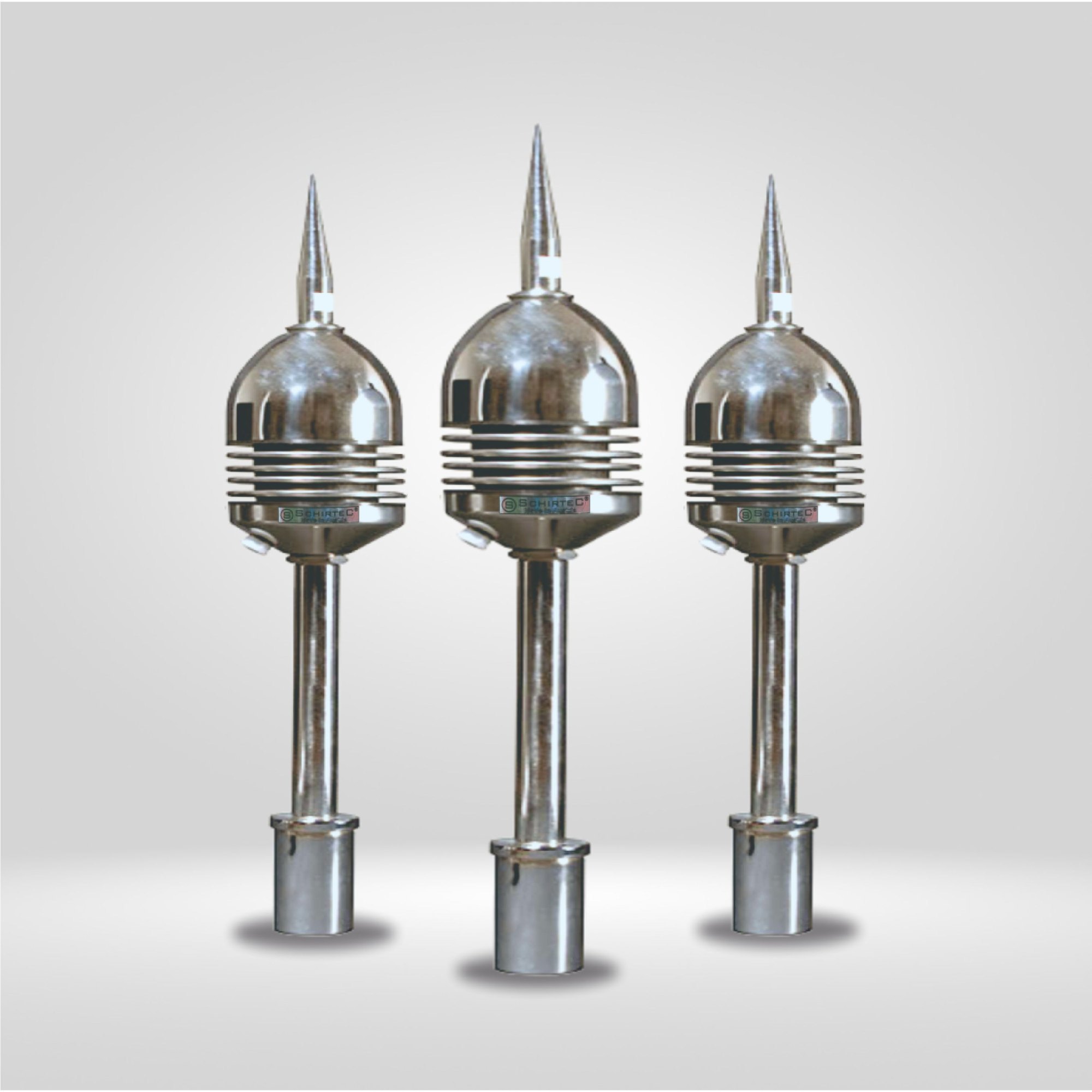
Top 5 Places in Kolkata Where Lightning Protection Is Non-Negotiable Kolkata sits in one of the most lightning-active zones in India. The city receives some of the highest annual thunderstorm activity in the entire country, driven by its position near the Bay of Bengal and its humid tropical climate. Every pre-monsoon and monsoon season brings intense electrical storms that strike without warning. Most conversations about lightning protection focus on how the technology works. This one

Why ESE Lightning Arresters are the Best Choice for Large Solar Arrays Introduction When we talk about solar power plants, we usually think about clean energy, savings, and sustainability. But there is one hidden challenge that often gets ignored. It is lightning protection. Large solar arrays are installed in open spaces where there are no tall buildings or natural barriers. This makes them highly exposed to lightning strikes. A single strike can affect panels, inverters,
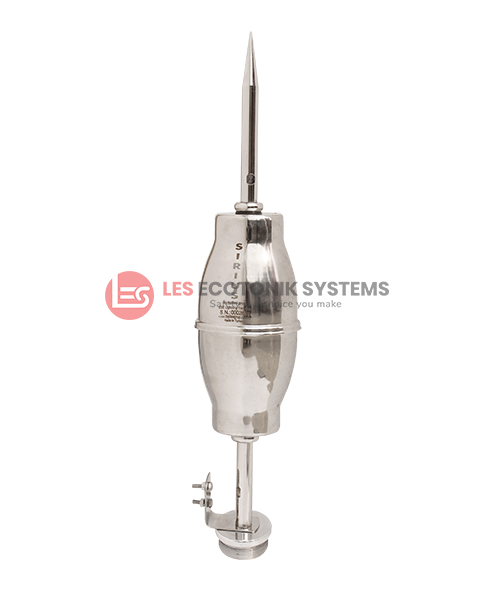
Why Bangalore’s IT Parks and Tech Campuses Need Advanced Lightning Protection Bangalore is India’s technology capital. It is the city where global software giants, homegrown startups, semiconductor firms, aerospace companies, and research institutions have all built their bases. The city’s IT corridors in Whitefield, Electronic City, Manyata Tech Park, Outer Ring Road, and Hebbal house thousands of crores worth of digital infrastructure running every single day without pause. What most facility managers and campus developers