
May 4, 2026
Lightning Arrester Installation Guide: Step by Step for Industrial and Commercial Building
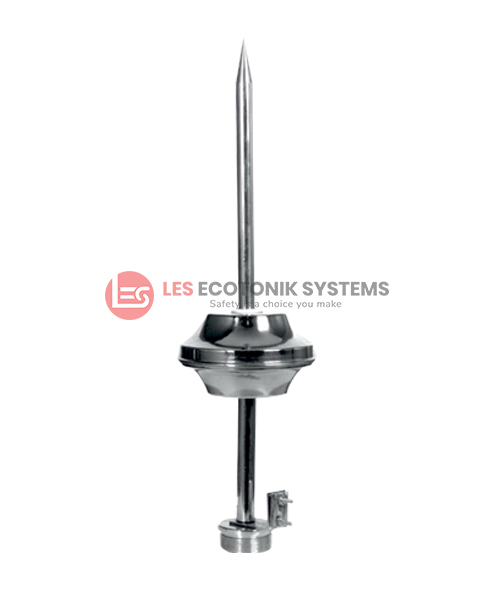
Introduction A lightning strike lasts less than a second. But the damage it leaves behind can take months to repair and cost lakhs of rupees. For industrial plants, warehouses, commercial buildings, and IT facilities, the risk is not just financial. It is operational, safety-related, and in some cases irreversible. Installing a lightning arrester is one of the most important protective steps any building owner or facility manager can take. But installation is not simply about

Introduction Every building that uses electricity carries a hidden risk. Electrical faults, lightning surges, and unexpected voltage spikes can cause fires, equipment damage, and fatal electric shocks. Most people think about fire alarms and circuit breakers when it comes to building safety. But two of the most important and most overlooked safety systems are earthing and bonding. These two systems work quietly in the background of every safe building. You cannot see them in action,
April 20, 2026
How Far Does One Lightning Arrester Protect? Understanding Protection Radius Explained
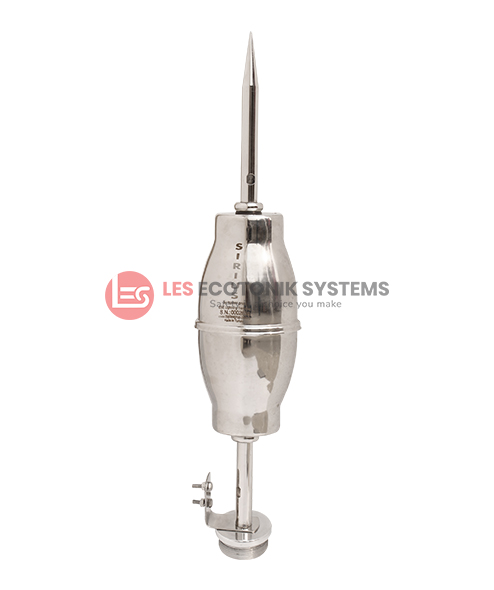
Introduction When a building owner, architect, or facility manager decides to install a lightning protection system, one of the first questions that comes up is: how far does one lightning arrester actually protect? This is not just a technical question. It is a practical one that directly affects how many units you need, where to place them, and how much of your structure is truly safe. The answer lies in a concept called the protection

Essential Role of ESE Lightning Arresters in Industrial Safety Industrial environments operate with high value equipment, complex electrical systems, and continuous production cycles. Any unexpected disruption can lead to major financial loss, operational downtime, and safety risks. Among the various natural threats faced by industries, lightning is one of the most unpredictable and dangerous. A single lightning strike can damage electrical systems, destroy machinery, and even endanger human lives. This is where ESE lightning arresters

Streamlining CT/PT Transformer Manufacturing for Better Performance In modern electrical systems, transformers play a vital role in ensuring the safe and efficient distribution of electricity. Among them, CT (Current Transformer) and PT (Potential Transformer) units are critical for measuring, monitoring, and protecting power distribution networks. Accurate performance of CT/PT transformers directly impacts system reliability, energy efficiency, and operational safety. The manufacturing of these transformers requires precision engineering, high-quality materials, and stringent testing processes to ensure