Is a Grounding System Enough Without a Lightning Arrester?

Is a Grounding System Enough Without a Lightning Arrester?

Introduction

Lightning strikes are among nature’s most powerful phenomena. Protecting buildings and electrical equipment from their destructive force requires a comprehensive strategy. Many property owners and facility managers often wonder if having a grounding system alone is sufficient protection or if a lightning arrester is equally essential. In this blog, we’ll explore why a grounding system by itself cannot fully safeguard your property, the role of lightning arresters, and why both are critical for a complete lightning protection system.

What is a Grounding System?

A grounding system, often called earthing, is the method by which electrical currents are safely directed into the earth. It plays a vital role in protecting people and equipment by dissipating unwanted electrical charges such as static electricity or fault currents from electrical systems.

Grounding provides a low-resistance path for electrical energy, helping prevent electrical shock and damage during faults or lightning-induced surges. It typically involves conductive rods or plates driven into the ground and connected to electrical panels or equipment.

Limitations of a Grounding System Alone

While grounding is an important safety measure, relying on it alone to protect against lightning strikes can be insufficient for several reasons:

1. Grounding Doesn’t Intercept Lightning

Lightning arresters are designed to intercept the lightning strike before it hits a structure. Grounding systems only dissipate electricity that has already entered the building. Without arresters to attract and divert lightning, a structure is vulnerable to direct strikes, which can cause catastrophic damage.

2. Risk of High Voltage Surges

Lightning generates extremely high voltage surges—far beyond what normal grounding can safely handle. Without lightning arresters to reduce these surges, the electrical system may be exposed to dangerous spikes, damaging sensitive electronics and wiring.

3. Increased Fire Hazards

A lightning strike without proper interception and controlled grounding can lead to fire outbreaks. Lightning arresters reduce this risk by controlling where and how the lightning energy enters the ground, preventing uncontrolled sparks.

4. Equipment Damage

Modern buildings rely heavily on sensitive electronic equipment. Grounding systems protect basic electrical faults but do not provide surge protection required during lightning events. Lightning arresters are essential to protect these devices from voltage spikes.

The Role of a Lightning Arrester

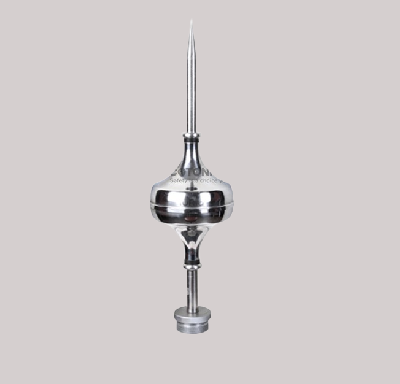
A lightning arrester (or lightning rod) is a critical component that works alongside a grounding system. It is a pointed metal rod installed at the highest points of a structure designed to:

  • Attract Lightning Strikes: Direct the lightning current away from the building by providing a preferred path.
  • Safely Conduct Current to Ground: The arrester directs the lightning energy to the grounding system in a controlled manner.
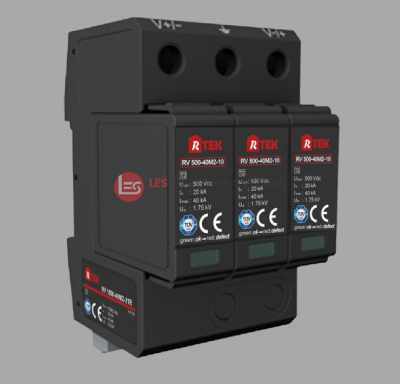
  • Protect Electrical Circuits: Lightning arresters often include surge protection devices to shield electrical installations from voltage spikes.

By combining lightning arresters with grounding, the entire system becomes a proactive defense against lightning hazards.

Comprehensive Lightning Protection System

A complete lightning protection system includes

  • Lightning Arrester: To intercept and divert lightning.
  • Conductors: To connect arresters to the grounding system.
  • Grounding/Earthing System: To safely dissipate the electrical charge into the earth.
  • Missing or incomplete certification paperwork
  • Surge Protection Devices: To safeguard electrical equipment from voltage spikes.

Each element plays a vital role, and neglecting one can compromise overall safety.

Real-World Importance of Combined Systems

Industries such as telecommunications, power plants, hospitals, and manufacturing plants depend heavily on uninterrupted power and equipment safety. In such sectors, a grounding system without lightning arresters can lead to costly downtime, equipment loss, and safety hazards.

Residential buildings also benefit greatly from this integrated protection, especially in regions prone to thunderstorms.

About LES Ecotonik Systems

LES Ecotonik Systems is a leading Indian company providing advanced lightning protection and grounding solutions. With over three decades of experience, LES specializes in designing and supplying lightning arresters, surge protection devices, earthing materials, and related products that comply with national and international standards.

Known for their quality products and expert consultation services, LES Ecotonik Systems serves diverse sectors, ensuring safety and reliability. The company is ISO certified and recognized among the top MSMEs in India, a testament to their commitment to excellence.

Their expert team helps customers assess existing systems, recommend upgrades, and deliver turnkey installation services — making them a trusted partner for comprehensive lightning safety.

Conclusion

While a grounding system is essential for electrical safety, it is not enough without a lightning arrester. Lightning arresters intercept the lightning strike and safely channel its immense energy to the ground, preventing direct hits and dangerous voltage surges. Together, these components form a complete lightning protection system that safeguards lives, property, and sensitive equipment.

For those seeking reliable protection, partnering with a trusted Lightning Arrester Manufacturer in Bengaluru and Lightning Arrester Manufacturer in Chennai ensures access to high-quality, code-compliant lightning safety solutions. Such collaboration guarantees peace of mind and robust protection against nature’s fiercest electrical threat.

Is Earthing and Bonding Mandatory as per Indian Electrical Standards?

Is Earthing and Bonding Mandatory as per Indian Electrical Standards?

Introduction

Electrical safety remains a top priority in residential, commercial, and industrial sectors. Two critical elements in this safety framework are earthing and bonding. Often discussed together but sometimes misunderstood, earthing and bonding are fundamental to preventing electrical shocks, equipment damage, and fire hazards. But are these practices truly mandatory according to Indian electrical standards? In this blog, we will explore the legal and technical aspects of earthing and bonding as per Indian regulations, their importance, and how they protect lives and property.

Understanding Earthing and Bonding

Before delving into regulations, it is essential to understand what earthing and bonding mean.

  • Earthing is the process of connecting electrical installations to the earth through a low-resistance path. This ensures any fault current, leakage, or surge is safely dissipated into the ground, protecting people and equipment.
  • Bonding is the practice of connecting various metallic parts of electrical equipment and conductive parts (like pipes, structural steel, and enclosures) to create an equipotential plane. This minimizes voltage differences that could cause electrical shock or fire.

Both systems work together to ensure safety by preventing the buildup of voltages that can be hazardous during electrical faults or lightning strikes.

What Do Indian Electrical Standards Say?

The Indian Electrical Standards are governed primarily by the Bureau of Indian Standards (BIS) under the code IS 3043: Code of Practice for Earthing. This standard outlines the methods and requirements for earthing installations in India. Additionally, the National Electrical Code (NEC) and the Indian Electricity Rules, 1956 provide regulatory guidelines for electrical safety, including bonding practices.

According to IS 3043 and related standards:

  • Earthing is mandatory for all electrical installations, including domestic, commercial, and industrial premises.
  • Proper bonding of all exposed conductive parts is required to ensure safety and reduce the risk of electric shock.
  • Earthing resistance should be maintained below specified limits (usually 1 to 10 ohms depending on the system).
  • Use of appropriate materials such as copper rods, strips, and earthing conductors is specified.
  • Testing and periodic inspection of earthing and bonding systems are essential for continued compliance and safety.

Why Is Earthing Mandatory?

Earthing forms the backbone of electrical safety for several reasons:

  • Protects Human Life: By providing a safe path for fault currents, earthing prevents the user from receiving electric shocks.
  • Prevents Equipment Damage: Electrical surges and fault currents are diverted safely, reducing the risk of damage to expensive electrical appliances and machinery.
  • Fire Prevention: Fault currents that are not earthed can cause sparks and overheating, which can ignite fires.
  • Ensures System Stability: Earthing stabilizes voltage during transient faults, improving overall system performance.

Why Is Bonding Equally Important?

Bonding complements earthing by ensuring all conductive parts are at the same electrical potential. This prevents voltage differences that could cause dangerous shocks. Some key benefits of bonding are:

  • Reduces Step and Touch Voltage: Ensures that metal parts you might touch are at the same potential, reducing shock risk.
  • Protects Against Lightning and Surges: Bonding prevents dangerous voltages from developing between metal parts during lightning events or surges.
  • Improves Safety in Wet or Hazardous Environments: In places like hospitals, factories, or outdoors, bonding is crucial for enhanced protection.

How Are Earthing and Bonding Implemented?

Typical earthing involves the use of copper or galvanized steel rods driven deep into the ground and connected to the electrical system using conductors. Bonding involves linking metal pipes, structural steel, and equipment enclosures with bonding conductors.

A comprehensive safety system includes:

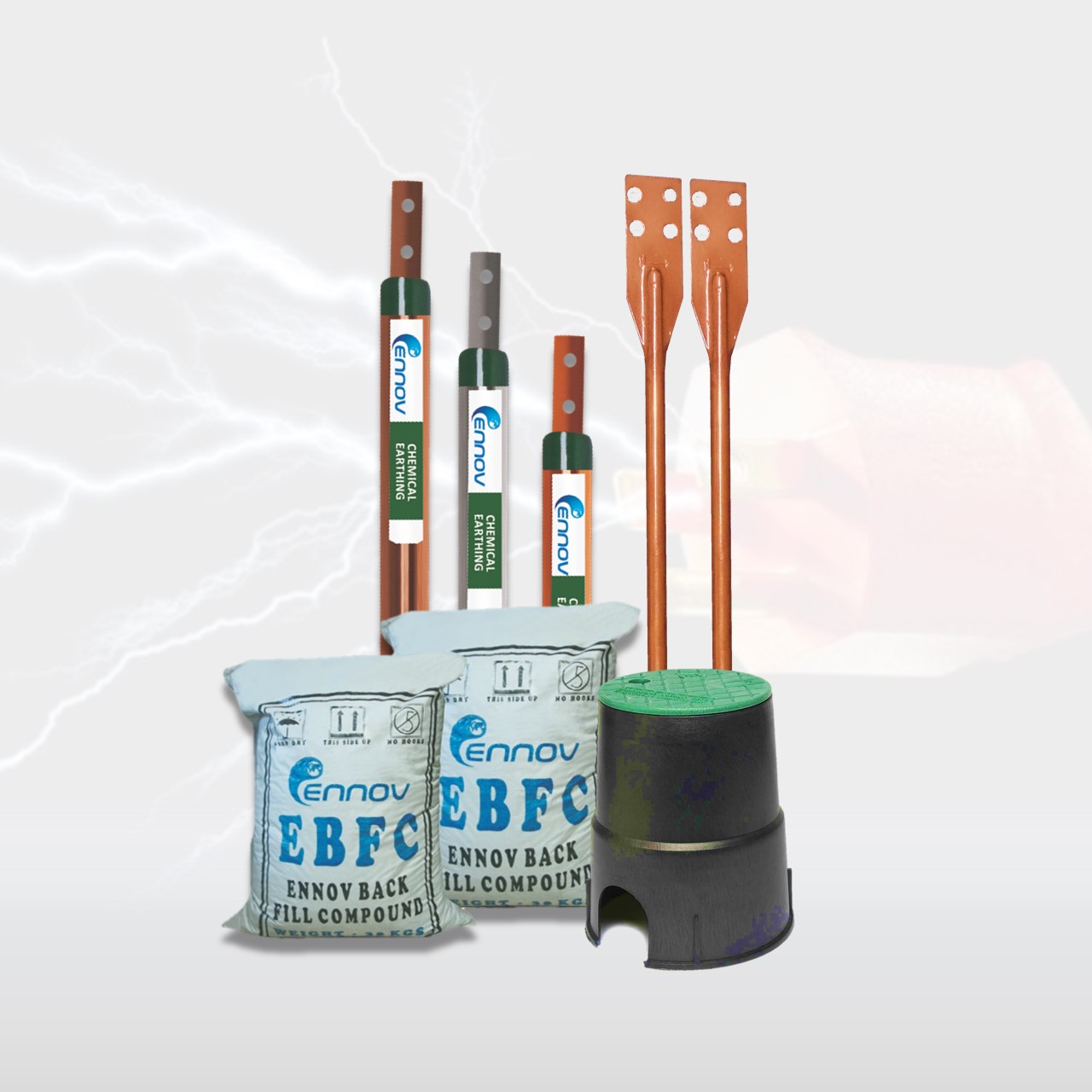
  • Earth electrodes and grounding conductors
  • Main earthing terminals and busbars
  • Bonding jumpers and connectors
  • Surge protection devices

Maintenance and Testing

Periodic inspection and testing of earthing and bonding systems are vital to ensure:

  • Earth resistance remains within permissible limits
  • Connections are secure and corrosion-free
  • Bonding integrity is maintained across the installation

Standards recommend testing every six months to one year, depending on the application.

About LES Ecotonik Systems

LES Ecotonik Systems is a reputed manufacturer and supplier specializing in earthing and bonding solutions, serving industries across India. With over 30 years of expertise, LES offers:

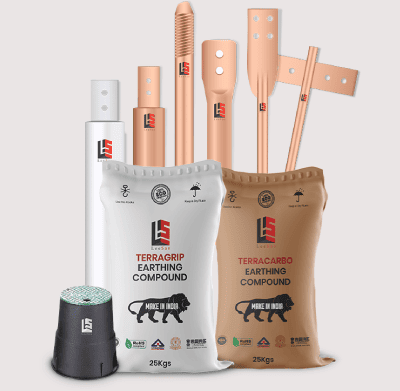
  • High-quality copper earthing rods, strips, and accessories
  • Industrial-grade bonding materials
  • Custom earthing system design and installation services
  • Compliance with IS 3043 and international standards

LES Ecotonik is ISO certified and recognized among India’s top MSME companies, reflecting their commitment to quality and safety. Their expert team ensures that every product meets rigorous testing standards and assists clients with system maintenance and upgrades.

Conclusion

In summary, earthing and bonding are indeed mandatory as per Indian electrical standards. Their role in protecting human lives, preventing equipment damage, and ensuring system reliability is non-negotiable. Compliance with BIS codes like IS 3043 ensures installations are safe, reliable, and legally compliant.

For those seeking trusted solutions, partnering with an experienced Earthing & Bonding Manufacturer in Mumbai and Earthing & Bonding Manufacturer in Pune offers access to superior quality products and professional services. These manufacturers ensure your earthing and bonding systems meet or exceed national safety standards, providing peace of mind and robust protection for your electrical installations.

Is Your Existing Lightning Protection System Up to Code?

Is Your Existing Lightning Protection System Up to Code?

Introduction

Lightning strikes can cause severe damage to buildings, electrical systems, and even endanger lives. This makes a well-designed lightning protection system crucial for any residential, commercial, or industrial structure. But many property owners are unaware whether their existing system complies with the latest safety standards and codes. This blog will help you understand the importance of up-to-date lightning protection, how to check your system’s compliance, and why periodic assessments are vital.

Understanding Lightning Protection Systems

A lightning protection system is designed to safely intercept lightning strikes and conduct the high voltage safely to the ground, preventing fire, structural damage, and electrical failures. The key components of these systems include lightning rods (air terminals), conductors, grounding electrodes, and surge protection devices.

Modern lightning protection standards, such as those established by the National Fire Protection Association (NFPA 780) and international codes like IEC 62305, define the installation guidelines and material specifications necessary to ensure optimal safety and performance.

Why Is Code Compliance Critical?

Lightning protection codes are not arbitrary. They are developed based on extensive research and lessons learned from past lightning incidents worldwide. Following these codes ensures:

  • Safety of Life: Properly installed systems reduce the risk of injury or death caused by lightning strikes.
  • Protection of Property: Minimizes structural and electrical damage, saving repair costs and downtime.
  • Insurance Compliance: Many insurance companies require certified lightning protection systems to honor claims related to lightning damage.
  • Regulatory Adherence: Commercial and industrial buildings must meet local regulations to avoid legal and financial penalties.

How to Check If Your Lightning Protection System Is Up to Code?

1. Inspection of Components:

Inspect air terminals for corrosion, secure mounting, and proper placement. Conductors should be continuous without loose connections or damage.

2. Grounding System Testing:

The grounding resistance must be within prescribed limits (typically below 10 ohms, but varies by code and soil conditions). Regular soil resistance tests are essential.

Surge Protection Devices (SPD):

SPDs must be correctly rated and maintained to protect sensitive electrical equipment.

Documentation and Certification:

Verify that the system’s design and installation were certified by a qualified professional. Documentation should comply with current standards.

5. Age of the System:

Older systems may not meet updated codes or use outdated materials. Consider an upgrade if the system is more than 10 years old.

Signs Your System May Be Out of Compliance

  • Visible corrosion or damage to air terminals or conductors
  • Lack of proper grounding or failed resistance tests
  • No surge protection installed on electrical panels
  • Missing or incomplete certification paperwork
  • Recent renovations or expansions without updated lightning protection measures

Importance of Periodic Maintenance and Upgrades

Lightning protection is not a “set and forget” safety measure. Environmental factors such as corrosion, building modifications, and soil conditions can affect system performance over time. Therefore:

  • Schedule annual inspections by certified experts.
  • Perform grounding resistance tests at least every two years.
  • Replace worn or damaged components promptly.
  • Upgrade systems to meet new code requirements or to protect new equipment.

About LES Ecotonik Systems

When it comes to reliable lightning protection solutions, LES Ecotonik Systems is a trusted name in India. With over 30 years of expertise, LES specializes in lightning arresters, surge protection devices, earthing systems, and related electrical safety products. They serve residential, commercial, and industrial clients across India with certified, code-compliant solutions.

LES is ISO certified and recognized among India’s top MSME companies, underscoring their commitment to quality, safety, and innovation. Their expert team guides customers through installation, testing, and maintenance to ensure the highest level of protection from lightning hazards.

Conclusion

Ensuring your lightning protection system is up to code is essential to safeguard lives, property, and investments. Regular inspections, testing, and maintenance are key to compliance with safety standards. If your system is outdated or uncertified, consider partnering with a reputable manufacturer and service provider for upgrades or new installations.

For those looking for trusted manufacturers, Lightning Arrester Manufacturer in Gurgaon and Lightning Arrester Manufacturer in Ahmedabad offer high-quality, code-compliant products tailored to various requirements. Partnering with such reliable manufacturers ensures your protection system not only meets but exceeds safety standards.

How This Lightning Arrester is Revolutionizing Electrical Safety!

How This Lightning Arrester is Revolutionizing Electrical Safety!

How This Lightning Arrester is Revolutionizing Electrical Safety!

Electrical safety is a critical concern in today’s world, especially in regions prone to thunderstorms and lightning strikes. The damage caused by lightning can be devastating, affecting homes, industries, and even large-scale infrastructure. To counteract these risks, lightning arresters have become an essential component of modern electrical systems. Among the leading innovators in this field, a Lightning Arrester Manufacturer in Jaipur is setting new benchmarks for safety, reliability, and efficiency.

Understanding Lightning Arresters and Their Importance

A lightning arrester is a device designed to protect electrical equipment by diverting high-voltage lightning surges safely to the ground. Without this essential safety measure, a lightning strike can cause severe damage to electrical systems, resulting in costly repairs, power outages, and potential fire hazards.

A high-quality lightning arrester offers the following benefits:

  • Prevents Damage to Electrical Systems – Protects transformers, circuit breakers, and power lines from surges.
  • Reduces Downtime – Ensures uninterrupted power supply by mitigating electrical disruptions.
  • Enhances Safety – Minimizes the risk of fires and electrical hazards.
  • Cost-Effective Solution – Saves money by preventing expensive damage and repairs.
  • Ensures Compliance – Meets safety regulations and industry standards for electrical installations.

Why Choose a Lightning Arrester Manufacturer in Jaipur?

Jaipur has emerged as a hub for advanced electrical safety solutions, and the leading Lightning Arrester Manufacturer in Jaipur is at the forefront of this innovation. Here’s why businesses and homeowners are opting for their products:

1. Cutting-Edge Technology

Modern lightning arresters are designed using state-of-the-art technology that ensures superior performance. Manufacturers in Jaipur are leveraging advanced materials and smart engineering techniques to enhance the efficiency of their products.

2. High-Quality Materials

The best lightning arresters are made from high-quality materials such as:

  • Metal-Oxide Varistors (MOVs) – Efficiently absorb and dissipate excess voltage.
  • Silicon-Based Insulators – Improve durability and insulation properties.
  • Copper Conductors – Ensure better conductivity and minimal energy loss.

3. Stringent Testing & Certification

To guarantee top-notch safety, these manufacturers adhere to strict quality control measures, including:

  • High-voltage testing to simulate real-world lightning strikes.
  • Environmental testing to assess resistance to extreme weather conditions.
  • Certification Compliance with IEC, IEEE, and IS standards.

4. Custom Solutions for Different Industries

Whether it’s a residential building, commercial complex, or industrial facility, the Lightning Arrester Manufacturer in Jaipur provides customized solutions tailored to meet the specific needs of different industries, including:

  • Power Stations & Substations – Protection for transformers and power grids.
  • Industrial Plants – Securing heavy machinery and production lines.
  • Telecommunications Towers – Preventing disruptions in communication networks.
  • Residential & Commercial Buildings – Ensuring the safety of electrical installations.

How This Lightning Arrester is Revolutionizing the Industry

Innovation is the key to improving electrical safety, and manufacturers in Jaipur are leading the charge with groundbreaking advancements in lightning protection technology.

1. Smart Monitoring & IoT Integration

New-generation lightning arresters come equipped with smart monitoring systems that provide real-time data on surge activity. These IoT-enabled devices allow maintenance teams to track and predict failures before they occur, reducing unexpected breakdowns.

2. Improved Durability & Weather Resistance

With advancements in material science, modern lightning arresters are designed to withstand harsh environmental conditions, including:

  • Extreme temperatures
  • Heavy rainfall & humidity
  • Corrosive environments

3. Compact & Easy Installation

Traditional lightning arresters were bulky and required complex installations. Today, manufacturers in Jaipur offer compact, lightweight models that are easy to install and integrate into existing electrical systems.

4. Eco-Friendly Designs

In line with global sustainability goals, manufacturers are now producing environmentally friendly lightning arresters that use recyclable materials and energy-efficient components, reducing their overall carbon footprint.

Choosing the Right Lightning Arrester for Your Needs

Selecting the right lightning arrester depends on various factors such as:

  • Voltage Requirements – Match the arrester to the system’s voltage level.
  • Installation Type – Choose from station-type, intermediate-type, or distribution-type arresters.
  • Environmental Conditions – Ensure resistance to specific weather challenges in your area.
  • Certifications & Standards – Always opt for certified products that meet safety regulations.

Conclusion: Ensuring a Safer Future

With increasing concerns over electrical safety, investing in high-quality lightning protection is more important than ever. The Lightning Arrester Manufacturer in Jaipur is leading the industry with innovative solutions that offer superior protection, advanced monitoring, and long-lasting durability.

Whether you’re a homeowner, business owner, or industrial operator, choosing the right lightning arrester can safeguard your assets, prevent costly damage, and ensure an uninterrupted power supply. By opting for cutting-edge lightning arresters from Jaipur, you are investing in a safer and more secure electrical future.

The Ultimate Guide to Finding the Best Lightning Arrester Manufacturer

The Ultimate Guide to Finding the Best Lightning Arrester Manufacturer

The Ultimate Guide to Finding the Best Lightning Arrester Manufacturer

When it comes to protecting infrastructure, buildings, and electrical systems from lightning strikes, selecting the right Lightning Arrester Manufacturer in Pune is crucial. Pune, being an industrial and commercial hub, has numerous manufacturers specializing in lightning protection solutions. However, with so many options available, finding the best one requires careful consideration.

This guide will walk you through everything you need to know about choosing the best lightning arrester manufacturer, key factors to consider, and how to ensure you get the best product for your needs.

What is a Lightning Arrester?

A lightning arrester is a device used to protect electrical equipment and buildings from voltage surges caused by lightning strikes. It works by diverting the excess voltage safely to the ground, preventing damage to sensitive electrical components. These devices are commonly installed on power lines, substations, industrial facilities, and commercial buildings.

Why Choosing the Right Manufacturer Matters

Selecting a reputable Lightning Arrester Manufacturer in Pune ensures you receive a high-quality, durable, and efficient product. A reliable manufacturer will offer products that meet safety standards, are tested for performance, and provide long-term protection against lightning-induced surges.

Key Factors to Consider When Choosing a Lightning Arrester Manufacturer

1. Industry Experience and Reputation

A well-established manufacturer with years of experience is more likely to provide high-quality products. Check the company’s history, customer reviews, and industry reputation. Look for testimonials, case studies, and references to ensure they have a track record of delivering reliable lightning protection solutions.

2. Compliance with Safety Standards

Ensure that the manufacturer complies with international and national safety standards such as IEC 62305, IEEE, IS 2309, and UL Standards. Compliance with these standards guarantees that the lightning arresters are tested for durability, efficiency, and safety.

3. Product Range and Customization

A good manufacturer should offer a variety of lightning protection products, including:

  • Surge Arresters for electrical systems
  • ESE (Early Streamer Emission) Lightning Arresters
  • Conventional Lightning Rods
  • Grounding & Earthing Systems

Additionally, manufacturers that offer customization based on your specific requirements can be a great advantage.

4. Quality of Materials Used

High-quality materials ensure durability and effective performance. The manufacturer should use copper, aluminum, and stainless steel components that are corrosion-resistant and capable of handling high voltages.

5. Testing and Certification

Reputable manufacturers test their products rigorously before market release. Ask about:

  • High-voltage testing
  • Impulse testing
  • Environmental durability testing

Certification from regulatory authorities adds credibility to the manufacturer’s products.

6. Warranty and After-Sales Support

A good manufacturer should offer a warranty period on their products and have a responsive after-sales support team. Ensure that they provide installation guidance, technical assistance, and maintenance services if required.

7. Cost-Effectiveness

While price should not be the only deciding factor, it’s important to compare the cost with the features offered. A high-quality Lightning Arrester Manufacturers in Pune may have a higher initial cost but will provide long-term protection, reducing maintenance expenses.

8. Installation and Maintenance Services

Some manufacturers also offer installation and maintenance services, ensuring that the lightning arrester is set up correctly for optimal performance. Choosing a manufacturer that provides end-to-end solutions can save you time and effort.

How to Purchase the Right Lightning Arrester for Your Needs

1. Assess Your Requirements

Before purchasing a lightning arrester, determine:

  • The size and type of building you need to protect.
  • The level of lightning activity in your area.
  • Your budget and maintenance preferences.

2. Consult with Experts

Many manufacturers provide free consultations to help you choose the right product. Consulting with experts ensures you get a tailored solution based on your location and structure type.

3. Compare Products and Prices

Get quotes from multiple Lightning Arrester Manufacturers in Pune to compare features, warranties, and pricing. Look for a balance between quality and affordability.