
Integrated Electrical Safety: From Lightning Arresters to Grounding
Introduction
In 2026, electrical safety in factories can’t be thought of as just separate parts. Today’s power grids are quicker, more sensitive, and more connected than they used to be. This makes them open to damage from both weather and issues inside the system. To really protect these grids, we need to think about electrical safety as a whole—a system where everything works together perfectly. This includes everything from the equipment on the roof to what’s buried underground. For those in charge of buildings in Gurgaon, Hyderabad, and Chennai, it’s not enough to just have a lightning rod. They need to consider how that rod shares data with the surge protectors and grounding system to handle 200,000 amps of electricity almost instantly.
LES (Lightning & Earthing Solutions) is a top maker of lightning arresters and we concentrate on this complete way of thinking. We believe that a system is only as good as its worst part. Even the best lightning rod won’t help if the grounding pit has high resistance. The electricity will go back into the building and damage the electronics you’re trying to keep safe. This blog looks at what happens when lightning strikes, from when it first hits to when it’s suppressed and safely dissipated.
The Three Pillars of Integrated Safety
To have total protection from lightning in cities like Pune or Bengaluru, a good system should have three layers:
Outer Protection (The Shield)
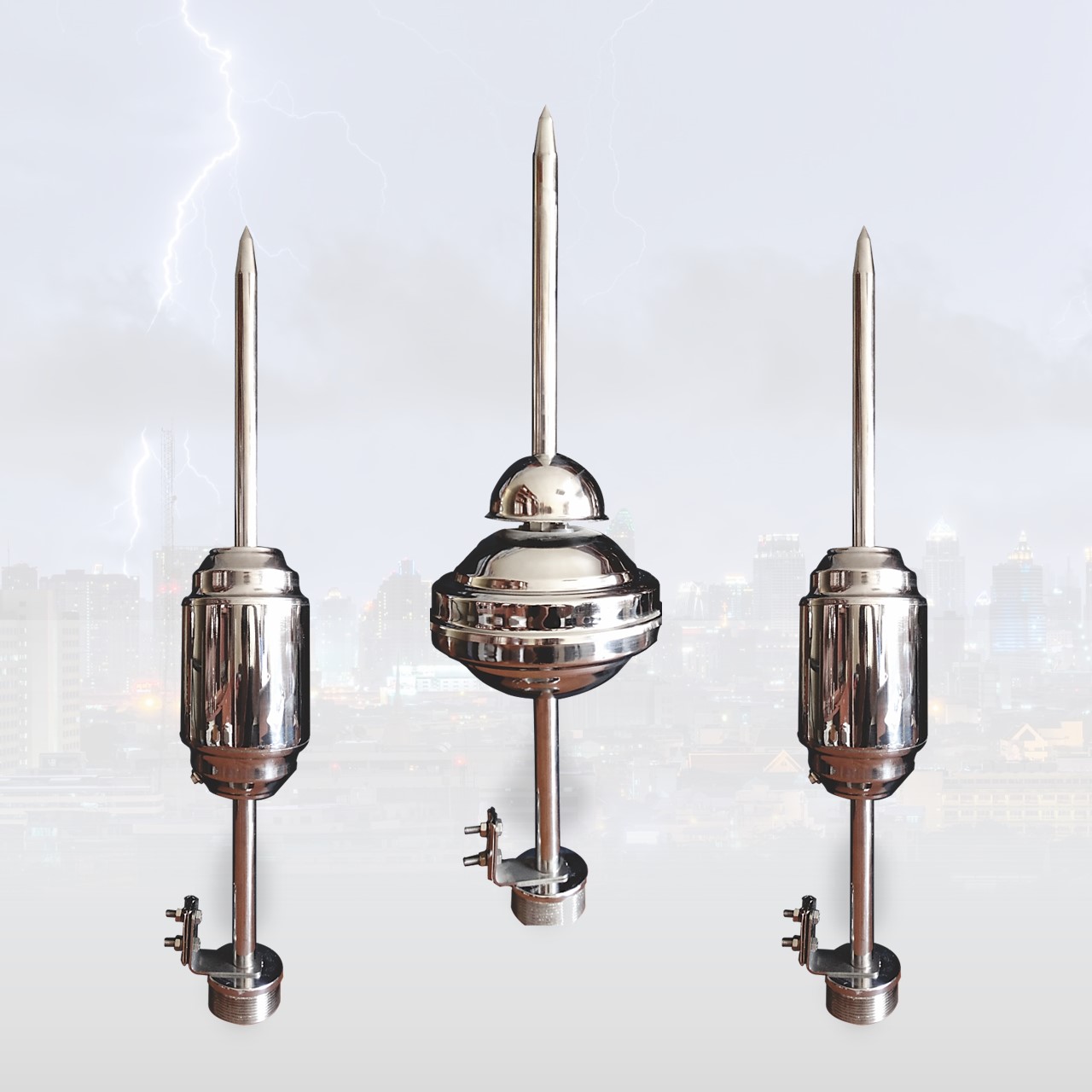
This is the first defense. As a top lightning arrestor maker in Gurgaon, we use Early Streamer Emission (ESE) tech to catch the lightning away from buildings. This stops lightning from hitting the building.
Inner Protection (The Filter)
Even if the lightning rod works well, the strike makes a big Electromagnetic Pulse (EMP), which causes power surges in power lines close by. Surge Protection Devices (SPDs) then act as a second protection, stopping voltage increases from reaching servers or PLCs.
Grounding (The Drain)
This is where the energy leaves. As an earthing maker, we make sure the current has low resistance when it goes into the ground. This keeps people safe and prevents electric shock hazards.
Localized Challenges in 2026 India
India’s varied geography means that a one-size-fits-all approach won’t work. What’s good for a lightning protection company in Jaipur might not be good enough for one in Kolkata.
Coastal Issues (Mumbai & Chennai)
Near the sea, salty air can rust outdoor arresters, and high humidity can damage indoor surge protection devices. Here, a good system uses stainless steel arresters made for marine environments and sealed SPDs to keep the whole safety system rust-free and working well.
Grounding issues (Jaipur & Nagpur)
In dry, rocky areas, it’s hard to get good grounding. Our system uses early streamer emission terminals with chemical earthing and ground enhancement materials to keep a low-resistance path to ground, even in dry soil.
City problems (Bengaluru & Delhi)
In busy tech parks, a lightning strike on one building can affect others through shared power grids. A complete safety plan here includes careful bonding between buildings to keep them all at the same electrical potential and prevent side flashes.
Why Integration is the Future of Safety
In 2026, the increasing complexity of our infrastructure, including 5G towers and EV charging stations, means a fragmented safety approach is risky. Partnering with a lightning arrester manufacturer that knows electrical physics ensures your investment can withstand strikes.
If you need a lightning arrester manufacturer in Hyderabad or an earthing expert in Pune, LES offers the engineering to weather the storm. We offer more than parts; we guarantee that your work stands strong, even during severe weather.
The Success Loop: How Interception and Grounding Sync
A great lightning arrester maker in Hyderabad or Bengaluru really knows how to handle impedance. Many think only the lightning rod matters, but the cable and earth pit are just as important.
Least Resistance Path
When our ESE terminal catches a strike, the energy needs to flow down the building. If the cable has sharp turns or bad links, the lightning might jump to the building’s wiring. LES Ecotonik System makes sure there is a straight path with low impedance.
The Dissipation Zone
When the energy gets to the ground, the earthing system has to soak it up. As an earthing and bonding maker, we use special backfill mixes that grow the rod’s electrical footprint, so the soil can take in the big current without a dangerous rise in voltage near people.
Conclusion: The Power of a Unified Defense
In today’s electrical systems, just installing something and assuming it’s safe isn’t enough. A great air terminal isn’t worth much if the grounding is bad, and strong machinery needs good surge protection to be safe. The best way to protect your infrastructure, equipment, and team is to switch from a scattered approach to a complete electrical safety strategy.
If you go with an integrated solution from a top Lightning Arrester maker, you get rid of any weak spots in your safety plan. Whether you run a tall building in Gurgaon, a data center in Hyderabad, or a factory in Pune, Lightning & Earthing Solutions can give you the coordinated engineering you need to turn a wild lightning strike into something harmless and managed. As a trusted Lightning Arrester manufacturer in Hyderabad we deliver advanced protection systems designed to safeguard commercial, industrial, and high-rise structures with complete reliability and compliance.