
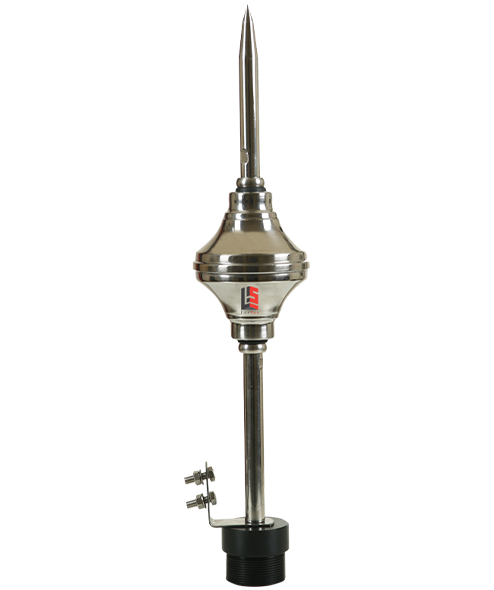
Manufacturer’s Guide to Lightning Arrester Lifespan
Lightning arresters are a critical component of modern electrical safety systems. They quietly protect valuable infrastructure from destructive voltage surges caused by lightning strikes and switching operations. While these devices are designed for durability, their lifespan is not infinite. Understanding how long lightning arresters last, what affects their performance over time, and how manufacturers design for longevity is essential for utilities, industries, and facility managers.
This guide explores lightning arrester lifespan from a manufacturer’s perspective—covering material science, environmental factors, installation quality, maintenance practices, and technological advancements that determine how long an arrester can reliably protect electrical systems.
What Is the Typical Lifespan of a Lightning Arrester?
The lifespan of a lightning arrester generally ranges between 10 to 30 years, depending on its type, application, and operating conditions. Unlike mechanical components, lightning arresters degrade gradually due to electrical stress rather than visible wear and tear.
Each surge event slightly impacts the internal components. Over time, repeated exposure to high-energy surges reduces the arrester’s protective capability. Manufacturers design arresters to withstand thousands of surge events, but lifespan ultimately depends on real-world conditions.
Core Components That Influence Arrester Longevity
The internal structure of a lightning arrester plays a major role in determining its service life. Modern arresters are primarily made using metal oxide varistor (MOV) technology.
Key components affecting lifespan include:
Metal Oxide Blocks: Absorb and dissipate surge energy
Housing Material: Protects internal elements from moisture and pollution
Sealing Systems: Prevent ingress of water and contaminants
Terminals and Connectors: Maintain electrical integrity over time
High-quality materials and precision manufacturing significantly extend operational life.
Role of Surge Frequency and Intensity
Not all lightning arresters age at the same rate. The frequency and intensity of surges they experience directly impact lifespan.
Factors include:
Lightning density in the geographical area
Exposure to switching surges in industrial grids
Quality of upstream protection systems
An arrester installed in a lightning-prone zone will experience higher electrical stress compared to one in a moderate environment. Manufacturers account for this by offering different energy ratings for various applications.
Environmental Conditions and Their Long-Term Impact
Environmental exposure is one of the most underestimated factors affecting lightning arrester life.
Key environmental stressors include:
High humidity: Accelerates insulation degradation
Pollution and dust: Causes surface leakage currents
Salt-laden air: Common in coastal regions, leading to corrosion
Extreme temperatures: Affect material stability
Manufacturers design arresters with polymer housings or porcelain coatings to resist these conditions, but harsh environments still demand closer monitoring.
Installation Quality and Its Effect on Lifespan
Even the best lightning arrester can fail prematurely if installed incorrectly. Installation errors often lead to increased electrical stress or improper energy dissipation.
Common installation issues include:
Poor grounding resistance
Incorrect mounting orientation
Loose electrical connections
Inadequate clearance distances
Manufacturers emphasize correct installation practices because proper grounding and placement can significantly extend arrester life.
Importance of Grounding Systems
Lightning arresters do not work in isolation. Their effectiveness and longevity depend heavily on the quality of the grounding system.
A well-designed grounding system:
Allows fast dissipation of surge energy
Prevents thermal stress buildup
Reduces residual voltage
Poor grounding causes energy to reflect back into the arrester, accelerating internal degradation and shortening lifespan.
Ageing Mechanisms Inside Lightning Arresters
From a manufacturer’s viewpoint, lightning arrester ageing occurs through multiple mechanisms:
Thermal ageing: Heat generated during surge absorption
Electrical ageing: Continuous exposure to system voltage
Moisture ingress: Leads to insulation breakdown
Surface contamination: Causes leakage currents
Modern manufacturing focuses on minimizing these effects through improved sealing, better materials, and advanced testing methods.
Monitoring and Condition Assessment
Manufacturers increasingly recommend condition monitoring to predict lightning arrester end-of-life before failure occurs.
Common monitoring methods include:
Leakage current measurement
Infrared thermal scanning
Visual inspection for cracks or discoloration
Online monitoring devices for critical installations
Proactive assessment helps avoid unexpected failures and extends effective service life.
Maintenance Practices That Extend Lifespan
Although lightning arresters require minimal maintenance, periodic checks can significantly improve reliability.
Recommended practices:
Inspect grounding resistance annually
Clean surfaces in polluted environments
Check for mechanical damage after storms
Replace aged arresters before failure
Manufacturers design arresters for low maintenance, but preventive care ensures consistent performance over decades.
Design Innovations That Improve Service Life
Advancements in lightning arrester design have greatly increased their lifespan compared to older technologies.
Modern improvements include:
High-energy MOV blocks
Silicone rubber housings with superior weather resistance
Pressure-relief systems to prevent catastrophic failure
Enhanced sealing technologies
These innovations reflect a manufacturer’s focus on long-term reliability rather than short-term performance.
Choosing the Right Lightning Arrester Manufacturer in Noida
Selecting the right Lightning Arrester Manufacturer in Noida is crucial for ensuring long service life and dependable performance. Manufacturers with strong engineering capabilities focus on product durability, rigorous testing, and application-specific design.
A reliable manufacturer provides:
Arresters designed for local environmental conditions
Compliance with national and international standards
Proven surge endurance capabilities
Technical support for correct selection and installation
The manufacturer’s expertise directly influences how long the arrester will perform effectively.
How a Lightning Arrester Manufacturer in Noida Ensures Longevity
A professional Lightning Arrester Manufacturer in Noida follows strict quality control at every stage of production. From raw material selection to final testing, each process impacts lifespan.
Key manufacturer practices include:
High-temperature ageing tests
Moisture ingress resistance testing
Surge life cycle testing
Mechanical strength validation
These measures ensure the arrester remains reliable throughout its intended service life.
LES Ecotonik System and Long-Life Lightning Arrester Design
LES Ecotonik System focuses on manufacturing lightning arresters that deliver long-term performance under demanding conditions. Their design philosophy emphasizes durability, safety, and consistent electrical protection.
By combining advanced materials, precision manufacturing, and rigorous testing, LES Ecotonik System ensures:
Extended operational lifespan
Stable performance under repeated surge events
Resistance to environmental and electrical ageing
Reduced risk of sudden arrester failure
Their solutions are engineered to protect critical systems reliably for years.
Conclusion
The lifespan of a lightning arrester is influenced by design quality, environmental exposure, surge frequency, grounding effectiveness, and maintenance practices. From a manufacturer’s perspective, long service life is achieved through superior materials, advanced engineering, and strict quality control.
Choosing a trusted Lightning Arrester Manufacturer in Noida plays a vital role in ensuring durable and reliable surge protection. With a strong focus on longevity, safety, and performance, LES Ecotonik System delivers lightning arresters that protect electrical infrastructure efficiently while minimizing long-term operational risks.