
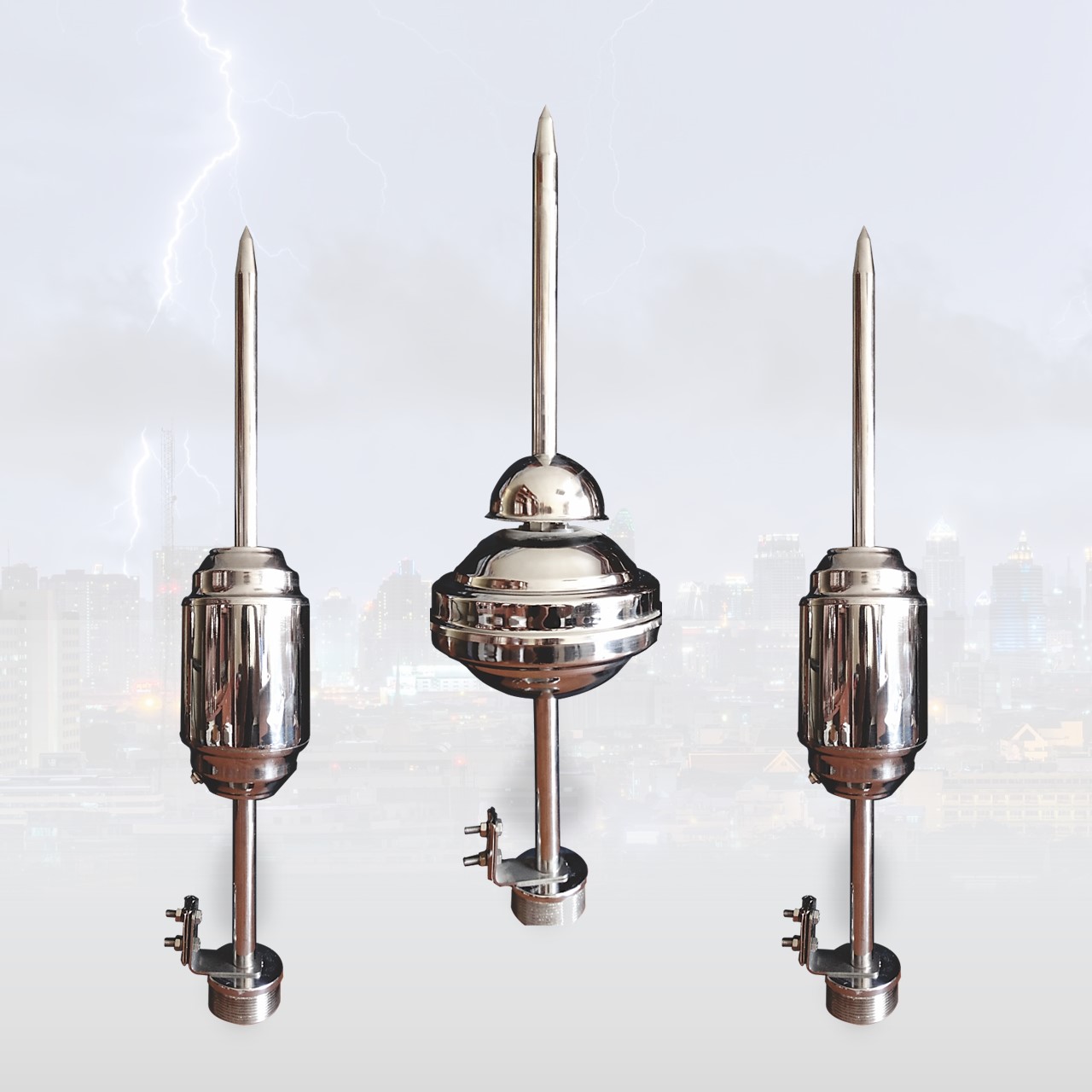
The Role of Lightning Arresters in Protecting Critical Infrastructure
Critical infrastructure, including power plants, data centers, telecommunications networks, hospitals, and transportation systems, forms the backbone of modern society. A single electrical surge or lightning strike can disrupt operations, damage equipment, and even threaten human safety. Protecting these systems from natural electrical hazards is not just a precaution—it is a necessity.
Among the most effective protective measures are lightning arresters, which safeguard infrastructure by controlling high-voltage surges and directing dangerous energy safely to the ground. This article delves into the importance of lightning arresters in protecting critical infrastructure, how they operate, and why proper installation is essential for long-term safety and reliability.
Understanding the Threat: Lightning and Electrical Surges
Lightning is a natural phenomenon that carries immense energy, often exceeding millions of volts. When it strikes or induces surges in electrical systems, it can damage sensitive equipment, start fires, or cause system-wide failures.
Critical infrastructure faces unique challenges because the stakes are high:
- Power Plants: A lightning-induced surge can damage transformers and circuit breakers, potentially causing blackouts.
- Data Centers: Even minor voltage spikes can corrupt servers, destroy storage devices, or result in costly downtime.
- Hospitals: Electrical interruptions in critical care systems could endanger lives.
- Telecommunication Networks: Lightning strikes can disrupt communication lines, affecting emergency services and connectivity.
In all these cases, lightning arresters act as the first line of defense, preventing electrical surges from reaching vital equipment.
How Lightning Arresters Protect Electrical Systems
Lightning arresters work on a simple but highly effective principle: they provide a low-resistance path to safely divert high-voltage surges away from protected systems.
- Normal Operation: The arrester remains dormant under standard voltage conditions.
- Surge Response: When a surge exceeds a predefined voltage threshold, the arrester conducts the excess energy to the ground, bypassing sensitive equipment.
- Recovery: After the surge passes, the device automatically returns to its non-conductive state, ready for future events.
This rapid response protects systems from voltage spikes that could otherwise lead to fires, equipment failure, or operational downtime.
Preventing Fire Hazards in Critical Infrastructure
Lightning-induced surges can generate heat in electrical wiring, panels, and equipment. If left unchecked, this heat can ignite fires.
- Thermal Protection: Lightning arresters prevent excessive voltage buildup, reducing heat accumulation.
- Arc Flash Mitigation: They minimize the chance of arcs forming across electrical gaps, which are common ignition sources in industrial settings.
- Structural Safety: By diverting energy away from combustible materials, arresters also protect buildings and structural components.
For facilities like hospitals or chemical plants, this protection is vital for both human safety and property preservation.
Maintaining Operational Continuity
Downtime in critical infrastructure can have cascading effects:
- Power Outages: Even short-term disruptions can affect cities, industries, and essential services.
- Data Loss: Servers and automated systems can experience irreversible data corruption.
- Service Interruptions: Transportation and communication networks may grind to a halt.
By installing lightning arresters, operators ensure that electrical surges do not interfere with operations, maintaining reliability and continuity.
Integration with Grounding Systems
Lightning arresters are most effective when paired with a robust grounding system. Proper earthing ensures that the diverted energy safely dissipates into the earth without reflecting back into equipment.
- Low-Resistance Grounding: Guarantees that energy is channeled efficiently.
- Bonding Across Systems: Prevents surges from jumping between interconnected equipment.
- Regulatory Compliance: Helps meet international and national electrical safety standards.
Without appropriate grounding, even the best lightning arrester cannot fully protect critical infrastructure.
Industrial Applications of Lightning Arresters
Industries housing flammable chemicals, high-voltage equipment, or sensitive machinery are especially vulnerable to lightning hazards:
- Refineries and Chemical Plants: Arresters prevent ignition of volatile substances.
- Power Transmission Networks: Surge protection maintains grid stability.
- Manufacturing Units: Protect sensitive machinery from costly damage.
Each application demonstrates how lightning arresters not only prevent fire hazards but also safeguard financial and operational interests.
Residential and Commercial Implications
Although critical infrastructure often includes large-scale facilities, smaller commercial and residential structures also benefit from lightning protection:
- Commercial Buildings: Offices, malls, and hospitals rely on uninterrupted electricity.
- Residential Complexes: Lightning arresters prevent damage to appliances, solar systems, and electronics.
- Emergency Preparedness: Minimizes risks to life and property during storms.
Even in smaller setups, a reliable arrester plays a significant role in preventing hazards and maintaining safety.
Lightning Arrester Manufacturer in Delhi: Ensuring Reliable Protection
Choosing the right Lightning Arrester Manufacturer in Delhi is critical to safeguard high-stake infrastructure. A reputable manufacturer ensures:
- Compliance with Safety Standards: Devices meet national and international electrical safety codes.
- High-Quality Materials: Durable components capable of withstanding repeated surges.
- Customized Solutions: Tailored arresters for specific voltage levels and environments.
Advanced Features Offered by Lightning Arrester Manufacturer in Delhi
Modern lightning arresters incorporate advanced features to enhance protection:
- Fast Response Time: Instantaneous diversion of high-voltage surges.
- Low Maintenance: Durable designs reduce inspection requirements.
- Monitoring Capabilities: Remote performance tracking for real-time safety assurance.
LES Ecotonik System: Safeguarding Critical Infrastructure
LES Ecotonik System specializes in providing high-quality lightning protection solutions for critical infrastructure.
- Fire Hazard Mitigation: Prevents overheating, sparks, and electrical fires.
- Operational Safety: Continuous protection for sensitive systems.
- Trusted Performance: Designed for long-term reliability under extreme conditions.
Partnering with a trusted provider like LES Ecotonik System ensures that critical infrastructure remains secure against unpredictable lightning threats.
Conclusion
Lightning arresters are indispensable for protecting critical infrastructure from fire hazards, equipment damage, and operational downtime. By diverting high-voltage surges safely to the ground, they prevent overheating, arc flashes, and potential disasters.
For organizations seeking dependable surge protection, choosing a reputed Lightning Arrester Manufacturer in Delhi vital. LES Ecotonik System stands out as a trusted provider, offering advanced lightning arresters engineered to protect lives, equipment, and essential infrastructure. Investing in high-quality surge protection is not just a technical decision—it is a strategic safety measure for the long-term resilience of critical facilities.