
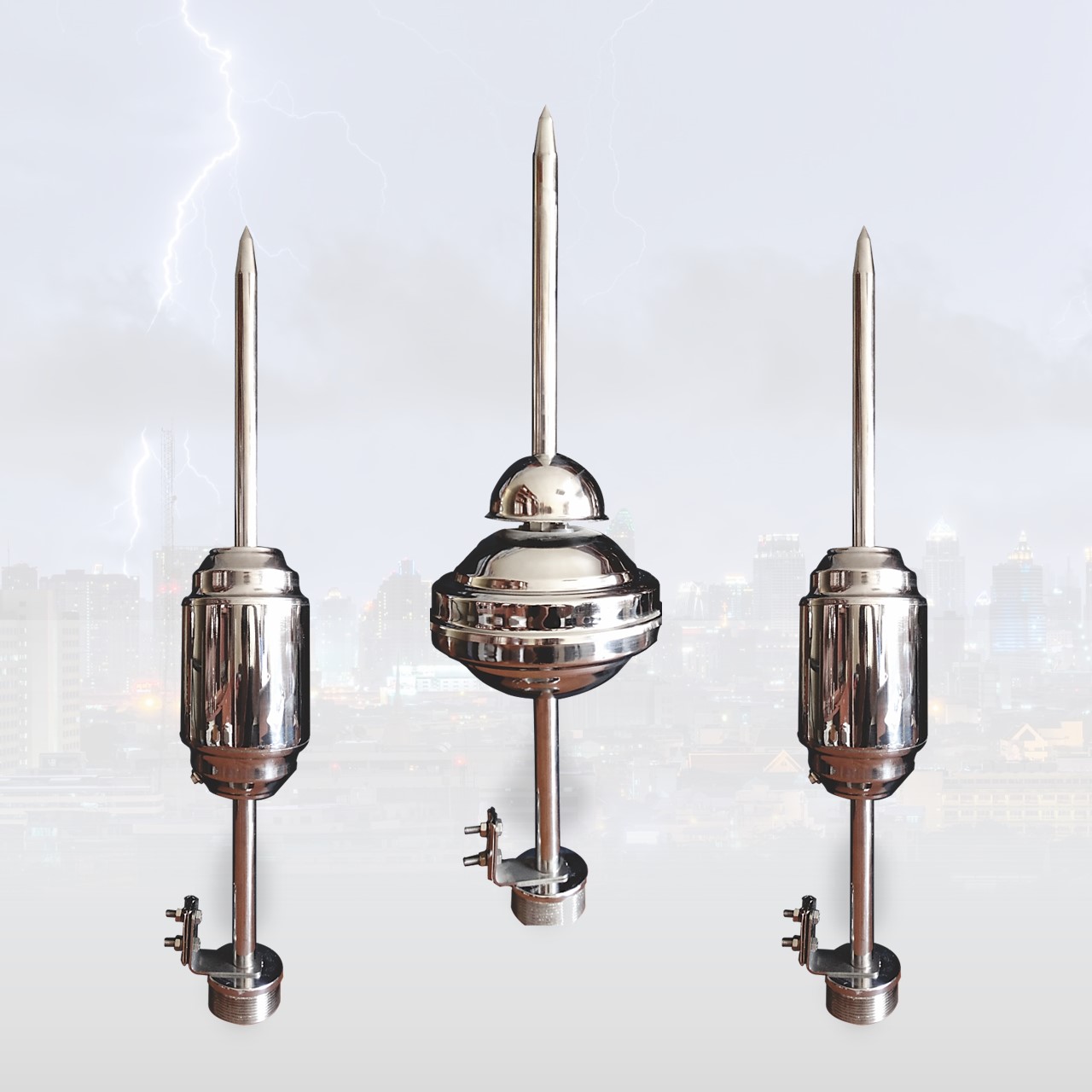
Common Myths About Lightning Protection Debunked
Lightning is one of nature’s most powerful and unpredictable forces. A single lightning strike can release over a billion volts of electricity, generating temperatures hotter than the surface of the sun. Despite such destructive potential, lightning remains surrounded by misconceptions, half-truths, and outdated ideas—especially when it comes to lightning protection systems.
In both residential and industrial settings, these myths often lead to poor decisions, improper installations, or complete negligence. This increases the risk of fires, equipment failure, electrocution, structural damage, and operational downtime.
This comprehensive blog aims to debunk the most common myths about lightning arresters and lightning protection systems, offering clarity backed by engineering principles, global standards, and real-world experience.
Why Lightning Myths Are Dangerous
Electrical safety relies heavily on correct information. Myths may seem harmless, but when it comes to lightning and grounding systems, believing in incorrect assumptions can:
- Endanger human life
- Damage equipment worth lakhs or crores
- Cause fires or explosions
- Affect insurance claims
- Lead to compliance violations
- Result in business interruptions
That’s why it’s crucial to separate scientific facts from long-held misunderstandings.
Myth 1: “Lightning Never Strikes the Same Place Twice.”
One of the oldest and most popular lightning myths is that lightning avoids places it has already struck.
Reality: Lightning frequently strikes the same place multiple times. Tall buildings, communication towers, mountains, trees, and wind turbines are repeatedly hit during storms. The Empire State Building in New York, for example, gets struck over 20 to 25 times a year.
Why it matters: If your structure is tall or prominent, lightning protection is not optional—it’s mandatory.
Myth 2: “Lightning Arresters Attract Lightning.”
People often think installing a lightning arrester will pull lightning toward a building.
Reality: Lightning arresters do not attract lightning. They simply provide a low-resistance path for lightning to safely reach the ground if the structure is already at risk. The arrester intercepts a strike that would have happened anyway.
Why this myth is harmful: Some avoid installing protective systems due to fear of increased lightning activity—but the risk already exists.
Myth 3: “A Lightning Rod Alone Is Enough Protection.”
Many believe a single lightning rod at the top of the building solves the problem.
Reality: Lightning protection requires a complete system, including:
- Air terminals (lightning rods)
- Down conductors
- Bonding networks
- Earthing/grounding system
- Surge protection devices (SPDs)
A rod without proper earthing or bonding may even increase damage risk.
Myth 4: “Grounding and Lightning Protection Are the Same.”
Because both deal with electricity and the earth, people confuse them.
Reality: Grounding (earthing) is for electrical safety under normal conditions. Lightning protection deals with fast, extremely high-energy surges.
Lightning may be thousands of times more powerful than standard electrical fault currents. Hence, specialized components are required.
Myth 5: “Rubber Tires Protect You From Lightning in a Car.”
Movies and old science books popularized this idea.
Reality: Cars protect people due to their metal body, which acts as a Faraday cage. The lightning flows around the vehicle and into the ground. Rubber tires play almost no role.
This myth shows how misunderstood lightning physics can be.
Myth 6: “If It’s Not Raining, Lightning Can’t Strike.”
People assume lightning only strikes when rain is pouring.
Reality: Lightning can strike up to 10–15 km away from the center of the storm. These “bolts from the blue” are extremely dangerous.
So even distant thunder is a warning to take shelter.
Myth 7: “Trees Are Safe Lightning Conductors.”
A very common misconception in rural and suburban areas.
Reality: Trees are poor conductors. When lightning strikes a tree:
- Moisture inside rapidly turns to steam
- The bark explodes
- Fire can start
- Current can jump to nearby structures (“side flash”)
Relying on trees for lightning protection is unsafe.
Myth 8: “Surge Protectors Protect Against Direct Lightning.”
Household surge protectors are often mistaken for lightning arresters.
Reality: A direct lightning strike can carry up to 200,000 amps. A normal surge protector can handle only a small fraction of that.
You need:
- Class I SPDs
- Bonding
- Proper earthing
- Lightning arresters
for complete protection.
Myth 9: “Lightning Only Strikes During Heavy Storms.”
Some believe that if the storm appears weak or far away, there is no danger.
Reality: Lightning depends on charge imbalance inside a cloud or between cloud and ground—not on rainfall levels. A silent, dark cloud can still produce deadly strikes.
Myth 10: “Lightning Protection Systems Are Too Expensive.”
This myth often stops people from investing in protection.
Reality: Lightning protection is actually one of the most cost-effective safety investments. Compared to the potential loss—structural damage, equipment burnout, electrical fires—the cost of protection is minimal.
Myth 11: “Old Buildings Don’t Need Lightning Protection.”
Older structures often run without modern electrical safety systems.
Reality: Older buildings usually need lightning protection even more, because:
- Their wiring systems may be outdated
- They may lack proper bonding
- Materials weaken over time
- Timber structures are fire-prone
Lightning does not discriminate based on building age.
Myth 12: “Lightning Can’t Cause Fire Inside Buildings.”
Some think fire occurs only where lightning directly hits.
Reality: Fires can start due to:
- High-voltage surges
- Side flash
- Overheating of wiring
- SPDs failing
- Earthing faults
Lightning is one of the leading causes of electrical fires worldwide.
Myth 13: “A Perfectly Installed System Never Needs Maintenance.”
One-time installation is often believed to be sufficient.
Reality: Lightning systems require periodic checking for:
- Corrosion
- Earth resistance levels
- Wear and tear
- Conductor damage
- Loose connections
Annual audits are essential for guaranteed safety.
The Importance of Scientific Understanding
Understanding lightning protection from a technical standpoint helps:
- Reduce accidents
- Improve building safety
- Prevent downtime in factories
- Protect sensitive equipment
- Enhance compliance with IEC/IS standards
- Avoid unnecessary fear or negligence
Myths often originate from outdated knowledge, lack of scientific explanation, or assumptions passed down through generations. Today, modern engineering has advanced tremendously, and lightning protection systems are engineered using physics, simulation, and rigorous testing.
Conclusion
To safeguard any modern facility, it is crucial to rely on engineering facts rather than long-standing myths. Choosing the right system, following international installation standards, and ensuring proper testing are all essential components of safe lightning protection.
Whether for homes, industries, or commercial buildings, working with a certified Lightning Arrester Manufacturer in Kolkata ensures that the installation is both scientifically accurate and compliant with safety norms.
A credible Lightning Arrester Manufacturer in Kolkata will provide complete solutions, including air terminals, down conductors, bonding systems, earthing materials, and surge protection devices. This guarantees that the entire building remains protected from direct strikes as well as indirect surges, giving long-term security and peace of mind.
LES Ecotonik System, a trusted Lightning Arrester Manufacturer in Kolkata offers internationally certified lightning protection solutions engineered to meet IEC and IS standards. With advanced designs, high-quality materials, and proven installation techniques, LES Ecotonik System ensures safe, reliable, and efficient protection for every type of structure—eliminating myths and replacing them with scientific, tested safety.