Common Mistakes in Earthing & Bonding and How to Avoid Them
Introduction
Lightning is a powerful natural phenomenon capable of causing catastrophic damage to electrical systems, buildings, and infrastructure. To mitigate these risks, lightning protection systems—especially lightning arresters—play an essential role. These devices provide a controlled path for lightning currents to safely discharge into the earth, thereby protecting equipment, property, and human life.
However, simply installing a lightning arrester system is not enough. Regular evaluation and testing are crucial to ensure it performs efficiently under real lightning conditions. A malfunctioning system may not show visible symptoms but could fail when it matters most, resulting in massive losses.
This blog explores in depth how to evaluate the performance of a lightning arrester system, the key parameters to assess, testing procedures, maintenance strategies, and how professional guidance can ensure your system remains reliable and compliant with international safety standards.
Understanding the Function of a Lightning Arrester System
A lightning arrester is designed to divert high-voltage surges—caused by lightning strikes or transient overvoltages—safely to the ground. It acts as a protective shield between the power system and lightning energy.
The key components of a typical lightning arrester system include:
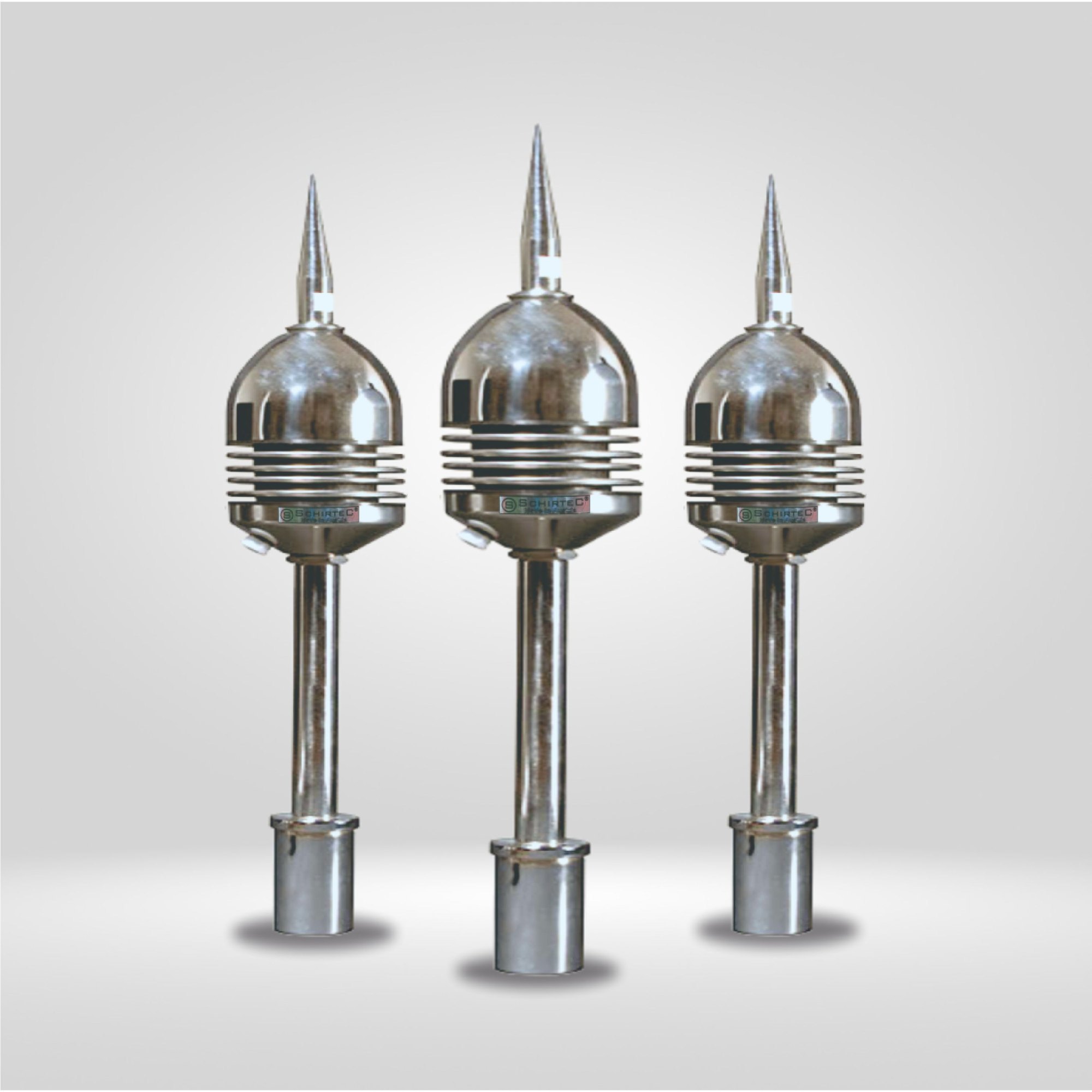
Air Terminals (Lightning Rods): Capture lightning strikes.
Down Conductors: Provide a low-resistance path for the discharge.
Earth Termination System: Safely dissipates the lightning current into the ground.
Surge Protection Devices (SPDs): Protect sensitive electrical equipment from transient
voltages.
When all these components work in harmony, the lightning arrester system ensures that excess energy bypasses critical electrical systems, maintaining safety and operational integrity.
Why Performance Evaluation Is Important
Even a well-installed lightning protection system can deteriorate over time due to environmental factors, corrosion, wear and tear, or accidental damage. Regular evaluation ensures that:
• The system maintains low resistance paths to the ground.
• All components are intact and functional.
• The earthing network efficiently disperses lightning energy.
• Compliance with standards like IEC 62305 or IS/IEC 62561 is maintained.
Periodic assessment prevents unexpected failures during lightning strikes and ensures that your investment continues to protect assets effectively.
Key Performance Parameters to Evaluate
1. Earth Resistance
The grounding system is the most vital part of a lightning protection system. High earth resistance can reduce the efficiency of current dissipation, increasing the risk of side flashes or electrical damage.
Acceptable Range: Typically, earth resistance should be less than 10 ohms for most
installations.
Evaluation Method: Conduct periodic earth resistance testing using earth testers or
fall-of-potential methods.
2. Continuity of Down Conductors
Each down conductor must maintain a continuous, low-resistance connection between the air terminal and the earth termination system. Breaks, loose connections, or corrosion can cause the system to fail.
Evaluation Method: Perform continuity testing using a digital low-resistance ohmmeter.
Ideal Condition: Resistance should be uniform and minimal along all paths.
3. Visual Inspection of Components
Visual checks are the simplest yet most effective method to identify physical deterioration. Look for corrosion, cracks, loose joints, or damaged conductors.
• Inspect air terminals for rust or wear.
• Check bonding connections for integrity.
• Ensure all fasteners and clamps are tight and secure.
4. Lightning Event Counters
Modern lightning protection systems include event counters that record each lightning discharge. These counters help estimate how often the system is exposed to lightning and whether maintenance is required.
Evaluation Method: Check counter readings during periodic inspections.
Action: Investigate and retest the system after significant strike events.
5. Surge Protection Devices (SPDs)
SPDs protect sensitive electronics from transient voltages. Their performance degrades with repeated surges, so regular checks are necessary.
Evaluation Method: Test SPD response using specialized surge testers.
Replacement Criteria: Replace if response times increase or protective capability drops.
Step-by-Step Process for Evaluating a Lightning Arrester System
Step 1: Preliminary Visual Inspection
Inspect the system physically for:
• Corrosion, wear, or mechanical damage.
• Improper routing of conductors.
• Signs of flashover or burn marks.
• Missing clamps or protective covers.
Step 2: Continuity Testing
Use an ohmmeter to verify electrical continuity of the down conductors, connectors, and bonding paths.
Ensure all paths provide low resistance.
Repair or replace sections with excessive resistance.
Step 3: Earth Resistance Testing
Perform grounding resistance tests under different moisture conditions (dry and wet seasons) to obtain
accurate readings.
Record results and compare with initial installation data.
If resistance increases significantly, consider reconditioning or expanding the grounding system.
Step 4: SPD and Counter Evaluation
Test surge devices and lightning counters.
Replace SPDs that show reduced efficiency.
Reset counters after inspections to track new lightning events.
Step 5: Documentation and Compliance Check
Maintain detailed records of all test results, maintenance activities, and corrective actions.
Ensure compliance with IEC 62305-3 and IS 2309 standards.
Include photographs of inspection points for visual reference.
Common Issues That Affect Performance
Corrosion of Conductors and Terminals: Especially in coastal or industrial environments,
corrosion can increase resistance.
Poor Soil Conductivity: Dry or rocky soil increases grounding resistance, reducing
effectiveness.
Improper Bonding: Unbonded metallic structures can cause side flashes.
Lack of Maintenance: Accumulated dirt, debris, or damage often go unnoticed until failure
occurs.
Inadequate Installation: Substandard materials or faulty installation compromise long-term
safety.
Recognizing and addressing these issues promptly ensures continuous protection.
Maintenance Best Practices for Long-Term Reliability
A lightning protection system requires consistent attention. Here’s how to ensure optimal performance:
• Annual Testing: Perform full-system tests at least once a year.
• Post-Lightning Inspection: Inspect immediately after a known strike.
• Component Replacement: Replace any corroded, worn, or damaged parts promptly.
• Environmental Protection: Use corrosion-resistant materials and protective coatings.
• Professional Certification: Get systems inspected by certified lightning protection experts periodically.
Proactive maintenance saves costs in the long term and prevents catastrophic system failures.
Modern Technologies in Lightning Arrester Evaluation
Recent advancements in technology have revolutionized the way lightning systems are monitored and tested. Some modern methods include:
• Remote Monitoring Systems: These track lightning strikes, earth resistance, and system integrity in real
time.
• Infrared Thermography: Detects hotspots or loose connections invisible to the naked eye.
• Ground Impedance Measurement: Provides more accurate data compared to traditional resistance testing.
• Digital Reporting Tools: Automatically generate compliance reports for audits and recordkeeping.
Integrating these technologies enhances accuracy, efficiency, and reliability in system evaluation.
Ensuring Quality with LES Ecotonik System – Trusted Lightning Arrester Manufacturer in Kolkata
As a reputed Lightning Arrester Manufacturer in Kolkata, LES Ecotonik System is known for its precision-engineered products that meet global safety and performance standards. The company’s lightning protection solutions are designed with durability, efficiency, and ease of maintenance in mind.
Their range includes advanced surge arresters, high-performance grounding kits, and monitoring devices that make evaluation and upkeep straightforward.LES Ecotonik System commitment to innovation ensures that their products provide unmatched reliability in protecting against high-voltage surges and lightning events.
LES Ecotonik System’s Expertise in Performance Evaluation and Testing
LES Ecotonik System doesn’t just manufacture high-quality lightning arresters—they also provide professional guidance for performance evaluation and testing. Their experts assist in conducting detailed inspections, grounding resistance analysis, and SPD assessments to ensure your system functions at peak performance.
With years of experience and adherence to IEC 62305 and IS 2309 standards, LES Ecotonik System ensures that your lightning protection system remains compliant, efficient, and future-ready.
Why Choose LES Ecotonik System – Reliable Lightning Arrester Manufacturer in Kolkata
When it comes to lightning safety, choosing a trusted partner like LES Ecotonik System, a leading Lightning Arrester Manufacturer in Kolkata, guarantees quality and dependability. Their solutions are engineered for diverse applications—from industrial complexes and telecom towers to commercial and residential infrastructure.
LES Ecotonik System emphasizes precision design, corrosion-resistant materials, and advanced testing methods, ensuring every product delivers consistent protection and performance.
Final Thoughts
Evaluating the performance of a lightning arrester system is not merely a maintenance task—it’s an essential safety practice that ensures the protection of lives, property, and critical infrastructure. Regular inspections, testing, and proper recordkeeping guarantee that the system remains efficient and reliable even under extreme lightning conditions.
By partnering with LES Ecotonik System, a trusted Lightning Arrester Manufacturer in Kolkata you can be confident that your lightning protection systems meet the highest standards of safety and performance. With their expertise and advanced testing methods, you can protect your assets effectively, minimize downtime, and ensure compliance with international standards—safeguarding your operations today and in the future.