
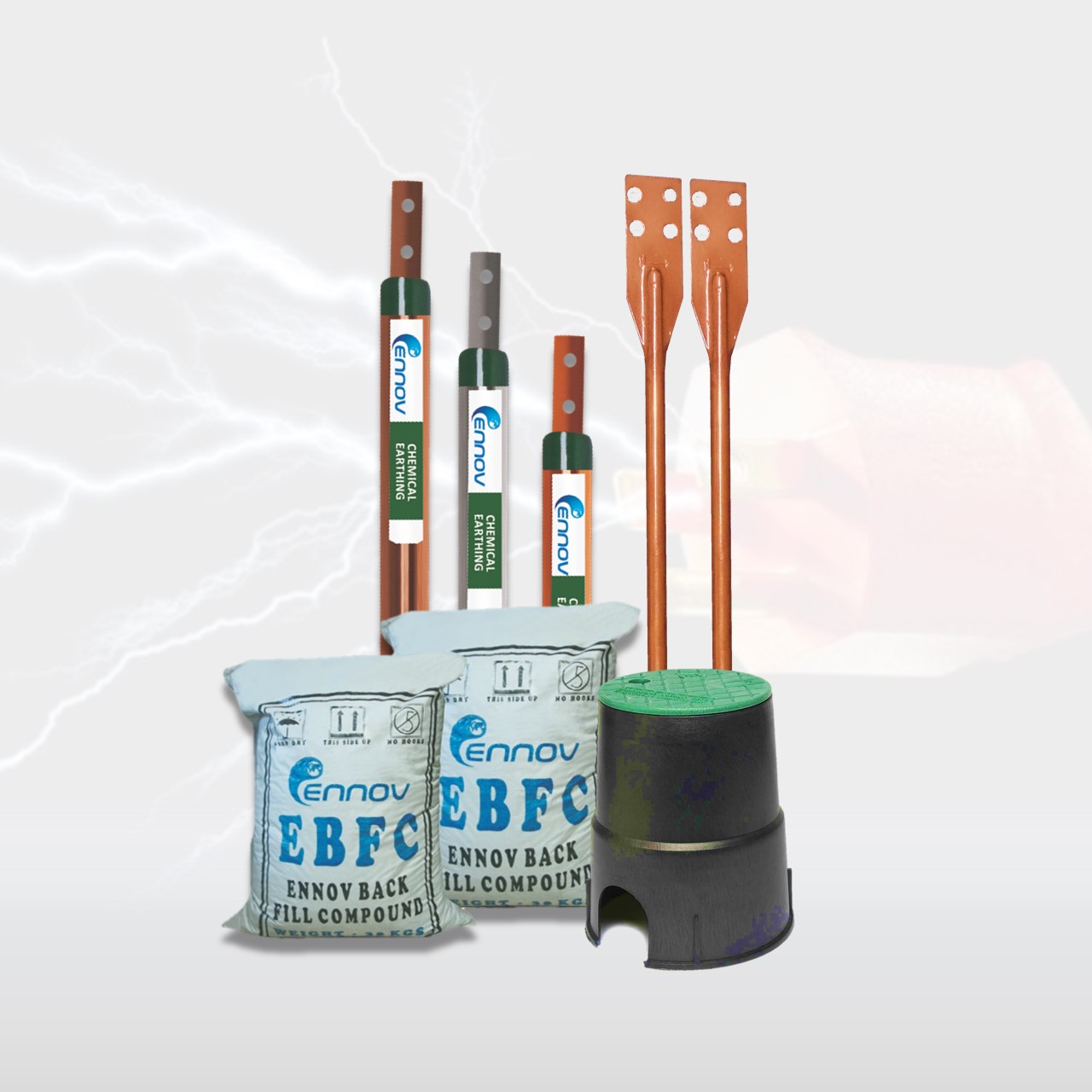
Common Mistakes in Earthing & Bonding and How to Avoid Them
Introduction
In the world of electrical engineering and safety, earthing and bonding are two crucial systems that ensure the protection of both people and property from electrical hazards. Despite being fundamental to any electrical installation, they are often misunderstood, improperly designed, or poorly maintained. Such mistakes not only lead to system inefficiency but also increase the risk of electric shock, equipment failure, and even fire.
Understanding the common mistakes in earthing and bonding—and how to avoid them—can significantly improve the safety, performance, and longevity of electrical systems. This article explores the key errors commonly seen in these systems, their consequences, and practical steps to ensure compliance with modern safety standards.
The Role of Earthing and Bonding in Electrical Safety
Before diving into the mistakes, it’s important to distinguish between earthing and bonding:
Earthing (or grounding): involves connecting non-current-carrying parts of electrical equipment to the earth. It ensures that in case of insulation failure, fault current has a safe path to ground.
Bonding: involves connecting metallic parts together to equalize potential differences, preventing dangerous voltage between conductive parts that can cause electric shock.
Together, they form a safety network that prevents electrocution, equipment damage, and voltage instability in electrical installations.
Why Proper Earthing and Bonding Are Essential
The primary reasons for implementing an effective earthing and bonding system include:
Protection of life and property: Prevents electric shocks and fire hazards.
Equipment protection: Provides a safe discharge path for lightning and fault currents.
Voltage stabilization: Maintains system voltage within safe limits.
Compliance: Meets safety codes and electrical standards like IEC, IS, or IEEE regulations.
However, the benefits are often undermined by improper installation, neglect, or lack of understanding of these systems.
Common Mistake 1: Inadequate Grounding System Design
One of the most frequent mistakes is improper or inadequate design of the earthing system. Many installations rely on a “one-size-fits-all” approach rather than designing grounding according to soil resistivity, load requirements, and fault current levels.
For example, using a single earth electrode for an industrial setup may not be sufficient to handle high fault currents. Similarly, not considering soil type and moisture content can lead to high resistance paths, reducing grounding efficiency.
How to Avoid It:
• Conduct a soil resistivity test before installation.
• Design grounding networks based on site-specific data.
• Use multiple electrodes or grid earthing for industrial facilities.
• Follow relevant standards such as IS 3043 or IEEE 80.
Common Mistake 2: Poor Connections and Corrosion Issues
Loose connections, corroded joints, or improper welding are common problems that compromise grounding systems over time. Corrosion increases the resistance at connection points, making the grounding system ineffective.
How to Avoid It:
• Use copper-bonded or tinned connectors to prevent corrosion.
• Apply anti-oxidation compounds on joints.
• Inspect and tighten all connections regularly.
• Protect exposed metal parts with corrosion-resistant coatings or covers.
Regular maintenance can greatly extend the life and performance of grounding systems.
Common Mistake 3: Using Incompatible Materials
Mixing metals such as copper, aluminum, and steel in grounding systems can lead to galvanic corrosion. Over time, one of the metals deteriorates faster, creating unsafe resistance levels and potential open circuits.
How to Avoid It:
• Use the same metal type throughout the system whenever possible.
• If mixing is unavoidable, use bimetallic connectors to minimize corrosion.
• Follow manufacturer guidelines for material compatibility.
Common Mistake 4: Improper Sizing of Conductors
Grounding and bonding conductors are sometimes undersized to cut costs, but this can be dangerous. If the conductor cannot handle fault currents, it may overheat or melt, leading to electrical fires or system failure.
How to Avoid It:
• Size conductors based on maximum expected fault current and duration.
• Follow standards such as IEC 60364 and IS 3043 for sizing requirements.
• Consider future load expansions when choosing conductor sizes.
Proper sizing ensures both safety and system reliability.
Common Mistake 5: Ignoring Periodic Testing and Maintenance
Earthing and bonding systems are not “install and forget” components. Soil conditions, corrosion, and mechanical wear can degrade their performance over time. Unfortunately, many organizations neglect regular inspection and testing, leading to unnoticed system failure.
How to Avoid It:
• Conduct earth resistance testing at least annually.
• Inspect all connections for wear, corrosion, or looseness.
• Record test data and track performance over time.
• Replace or upgrade components when resistance values exceed permissible limits.
Scheduled maintenance ensures continuous protection against faults.
Common Mistake 6: Neglecting Equipotential Bonding
A frequent oversight in installations is incomplete or missing equipotential bonding, especially in large facilities. Without proper bonding between metallic parts, potential differences can develop, creating electric shock risks even if grounding exists.
How to Avoid It:
• Bond all exposed conductive parts, metal pipes, and structural steel.
• Use bonding jumpers in metallic enclosures and conduit systems.
• Verify that all equipment grounding terminals are interconnected.
Equipotential bonding is essential for minimizing voltage differences during fault conditions.
Common Mistake 7: Overlooking Lightning Protection Integration
A lightning protection system (LPS) must be integrated with the earthing system. Failing to connect both systems correctly can cause dangerous potential rises or incomplete dissipation of lightning current.
How to Avoid It:
• Combine lightning and electrical earthing into a single, interconnected system.
• Ensure all down conductors and grounding electrodes are bonded together.
• Use surge protection devices (SPDs) for additional protection.
This ensures that lightning energy is safely dispersed without damaging electrical systems.
Common Mistake 8: Not Documenting or Labeling the System
Many maintenance teams face challenges due to lack of documentation or labeling of grounding points and bonding connections. Without proper records, testing, troubleshooting, or future upgrades become complex and error-prone.
How to Avoid It:
• Keep detailed as-built drawings of all earthing and bonding networks.
• Label all grounding points clearly.
• Maintain maintenance logs and testing records for reference.
Documentation ensures traceability and compliance during audits or safety inspections.
Common Mistake 9: Overlooking Environmental Factors
Environmental conditions such as soil moisture, temperature, and pollution levels can significantly impact the performance of earthing systems. For instance, dry or rocky soil increases earth resistance, while coastal areas promote corrosion.
How to Avoid It:
• Choose grounding materials suited to local environments.
• For high-resistance soil, use chemical earthing with conductive compounds.
• Apply moisture-retaining backfill compounds like bentonite or graphite.
Adapting to local environmental conditions ensures long-term efficiency.
Common Mistake 10: Lack of Professional Supervision and Standards Compliance
Improper installation by unqualified personnel is one of the most significant contributors to faulty earthing and bonding systems. Non-compliance with standards can lead to hazardous installations that fail under fault conditions.
How to Avoid It:
• Engage certified electrical engineers for design and installation.
• Ensure compliance with national and international standards (IS, IEC, IEEE).
• Regularly audit and inspect installations to ensure ongoing compliance.
Professional oversight guarantees that systems are both safe and effective.
Ensuring Reliable Performance with LES Ecotonik System — A Trusted Earthing & Bonding Manufacturer in Jaipur
As a reputed Earthing & Bonding Manufacturer in Jaipur, LES Ecotonik System understands the critical role of grounding in electrical safety. Their advanced products are engineered to deliver stable, low-resistance earthing that meets international performance standards.
LES Ecotonik System’s solutions include high-conductivity earth electrodes, maintenance-free earthing kits, and durable bonding accessories—each designed for optimal safety and longevity. Whether for residential, industrial, or commercial projects, their systems ensure dependable fault protection with minimal maintenance.
Innovation and Quality by LES Ecotonik System in Earthing Solutions
What sets LES Ecotonik System apart is its dedication to innovation and quality. The company employs cutting-edge technology to manufacture corrosion-resistant materials, ensuring low resistance and consistent performance even in harsh conditions.
Each product undergoes rigorous quality testing to ensure compliance with IS 3043, IEC 62561, and IEEE standards. By integrating quality materials and precision engineering, LES Ecotonik System provides customers with lasting solutions that eliminate common grounding errors and performance issues.
Why Choose LES Ecotonik System — The Leading Earthing & Bonding Manufacturer in Jaipur
Choosing LES Ecotonik System , a trusted Earthing & Bonding Manufacturer in Jaipur, ensures that your electrical installations are protected by systems designed for reliability, safety, and long-term performance. Their products not only meet regulatory standards but also deliver value through reduced maintenance, extended lifespan, and superior protection.
For industries that cannot afford downtime or safety lapses, LES Ecotonik System’s earthing and bonding solutions are the foundation of secure electrical operations.
Final Thoughts
Mistakes in earthing and bonding can have devastating consequences, from electrical failures to life-threatening hazards. By understanding and avoiding these common errors—such as poor design, corrosion, improper connections, and lack of testing—organizations can achieve safer, more efficient electrical systems.
Partnering with an expert like LES Ecotonik System, a leading Earthing & Bonding Manufacturer in Jaipur ensures that your grounding solutions are designed and built with precision, safety, and compliance in mind. Investing in quality earthing and bonding isn’t just a technical decision—it’s a commitment to safety, reliability, and long-term cost savings for every electrical system.