
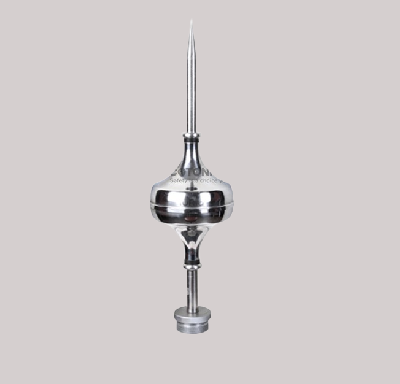
Lightning Arrester Solutions for Rural Electrification Projects
Introduction
Rural electrification is one of the most significant steps toward achieving inclusive development. Access to electricity in rural areas not only improves the quality of life but also drives socio-economic growth through education, healthcare, irrigation, communication, and small-scale industry development. However, the process of electrifying rural regions brings with it unique infrastructural, environmental, and technical challenges—particularly in terms of electrical safety.
One of the most critical, yet often overlooked components in rural power infrastructure is the lightning arrester. In regions prone to thunderstorms or where earthing is inconsistent, lightning strikes can severely damage transformers, power lines, and consumer equipment. This can result in blackouts, fires, and significant economic loss.
In this blog, we will explore why lightning arresters are indispensable in rural electrification projects, how they function, what challenges they address, and the types most suitable for low and medium voltage setups commonly found in rural India.
Understanding the Lightning Risk in Rural India
Lightning is one of nature’s most destructive forces, releasing millions of volts in an instant. While cities often have advanced infrastructure to handle such surges, rural areas typically lack the protection systems needed to safeguard homes and public electrical facilities.
According to data from the India Meteorological Department, India witnesses over 20 million lightning strikes annually. Rural belts of Uttar Pradesh, Bihar, Jharkhand, Odisha, Madhya Pradesh, and even parts of Delhi and Haryana are regularly affected. Unfortunately, due to lack of awareness or budget constraints, preventive measures are rarely implemented in these high-risk zones.
This gap makes the installation of lightning protection systems, especially lightning arresters, not just beneficial but essential.
What is a Lightning Arrester and How Does It Work?
A lightning arrester is a device installed in power systems to protect electrical equipment from high voltage surges, especially those caused by lightning. It works by redirecting the surge to the ground before it reaches the main electrical system.
When a high-voltage surge from a lightning strike enters the system, the arrester provides a low-resistance path to the ground, allowing the surge to be dissipated safely. After the surge passes, the arrester resets itself, ready to protect again.
Key Components of a Lightning Arrester:
- Metal Oxide Varistors (MOVs): Offer variable resistance based on voltage.
- Spark Gaps: Automatically open circuits to divert surges.
- Grounding System: Safely channels energy away from sensitive components.
Why Lightning Arresters are Crucial in Rural Electrification
- Protecting Distribution Transformers: Rural power distribution heavily depends on pole-mounted or pad-mounted transformers. These are exposed to environmental elements and lightning-induced surges. Installing surge arresters at each distribution transformer can dramatically extend the equipment’s life and reliability.
- Safety of Life and Property: A power surge can ignite fires or electrocute people, especially if grounding is poor. Lightning arresters drastically reduce such risks by preventing surge energy from entering homes.
- Improved Grid Reliability: Arresters help maintain stable operation, reducing maintenance costs and improving community confidence in the electrical grid.
- Cost Efficiency: Arresters are low-maintenance, one-time installations that can save lakhs of rupees annually in damage and loss.
Challenges in Implementing Lightning Arresters in Rural Areas
- Lack of Awareness: Many Gram Panchayats and local authorities are unaware of lightning arresters or their role. Training and capacity building are essential.
- Budget Constraints: Rural projects often prioritize visible infrastructure like poles and wires, neglecting protection systems.
- Improper Installation: Even when arresters are installed, improper grounding, low-quality materials, or incorrect placement reduces their effectiveness.
- Environmental Factors: High soil resistivity (rocky or dry soil) reduces the effectiveness of grounding systems, requiring specialized solutions.
Types of Lightning Arresters Suitable for Rural Use
- Distribution Class Arresters: Ideal for 11kV and 33kV distribution transformers in rural feeders.
- Station Class Arresters: Used in rural substations to protect equipment like breakers and control gear.
- Intermediate Arresters: Cost-effective protection for medium surge exposure.
- Polymer-Housed Arresters: Weather-resistant and maintenance-free, perfect for rural outdoor installations.
Case Study: Lightning Arrester Deployment in Rural Delhi
Several rural zones in Delhi, such as Narela, Bawana, and Najafgarh, have experienced repeated transformer failures during monsoons. In 2023, under the Delhi Electrification Safety Initiative, over 200 transformers were fitted with polymer lightning arresters.
The results:
- Transformer burnout incidents dropped by over 70%.
- Downtime per incident reduced from 18 hours to 2–3 hours.
- Improved voltage stability and reduced appliance flickering reported by villagers.
Why Lightning Protection Is the Future of Smart Villages
The Indian government’s smart village vision includes solar, EV, and digital infrastructure—all reliant on stable electricity. Lightning arresters ensure durability and safety.
Installing arresters in:
- Solar inverter systems
- Rural EV charging stations
- Internet towers and routers
…ensures long-term sustainability and resilience.
Reliable Solutions from a Leading Lightning Arrester Manufacturer in Delhi
LES Ecotonik System, a reputed manufacturer in Delhi, Pune, and Noida, offers products tailored for rural environments. Their solutions are weather-resistant, durable, and easy to install.
Company advantages:
- High-performance surge protection
- Compliance with BIS and IEC standards
- Custom solutions for high soil resistivity
- On-ground training for technicians
Empowering Rural Electrification Through LES Ecotonik System
LES Ecotonik systempartners with government and private agencies to provide cost-effective lightning protection for rural electrification.
- Tailor-made arrester solutions for rural terrains
- On-time supply and support for large-scale projects
- Data-driven recommendations using lightning density maps
They ensure that electrification doesn’t just light up villages—it protects them too.
Conclusion
Lightning-related damages in rural electrification can no longer be treated as a seasonal inconvenience. They are serious threats to life, infrastructure, and progress. A single strike can disrupt an entire community’s power supply, stall education, impact health centers, and hinder economic activity.
By incorporating lightning arresters into the core design of rural power systems, planners can ensure long-term stability and safety. With companies like LES Ecotonik System, a reliable Lightning Arrester Manufacturer in Delhi,Lightning Arrester Manufacturer in Pune Lightning Arrester Manufacturer in Noida offering specialized solutions for rural electrification, there is no excuse for overlooking surge protection. The path to sustainable, smart, and safe rural electrification begins with prevention and prevention begins with the right arrester in the right place.