Why Commercial Complexes Should Invest in Lightning Protection Devices
INTRODUCTION
In today’s fast-paced world, where commercial buildings have become the nerve centers of economic activity, ensuring safety and operational continuity is a top priority. These complexes, ranging from shopping malls and office towers to tech parks and industrial hubs, are often built with advanced architecture, host expensive electronic systems, and accommodate large volumes of people daily. Yet one of the most underestimated risks to their infrastructure remains a force of nature: lightning.
Lightning strikes can unleash destructive surges of electricity, damaging buildings, disrupting business operations, and endangering lives. As climate patterns shift and extreme weather becomes more frequent, the importance of lightning protection systems in commercial infrastructure has become a crucial consideration, not a mere afterthought.
This blog takes a deep dive into why commercial complexes must prioritize investment in lightning protection devices, exploring the science behind lightning strikes, the vulnerabilities of modern infrastructure, and the long-term benefits of proactive protection.
Understanding Lightning Strikes and Their Threat
Lightning is a powerful natural phenomenon generated by imbalances between storm clouds and the ground, or within the clouds themselves. When the electrical potential becomes too great, a discharge occurs—commonly known as a lightning strike.
The typical lightning bolt carries around 30,000 to 50,000 amps of electric current, temperatures hotter than the sun’s surface, and can travel at speeds over 200,000 mph. These figures are not just impressive—they’re incredibly dangerous, especially when it comes to buildings and infrastructure.
Key Risks of Lightning Strikes to Commercial Complexes:
Structural Damage: A direct hit can fracture concrete, explode bricks, or ignite fires.
Power Surges: Indirect strikes can travel through wiring and plumbing, damaging electronics and appliances.
Data Loss: In commercial environments relying on digital infrastructure, a strike can wipe out essential records and operational systems.
Operational Downtime: Businesses can lose hours, days, or even weeks in the aftermath of a major strike.
Injury or Death: Human safety is the greatest concern, especially in densely populated buildings.
Why Commercial Complexes Are Particularly Vulnerable
1. Tall Structures and Metallic Components
Most commercial buildings are significantly taller than residential homes, increasing their chances of being struck. Additionally, they often incorporate metallic elements like air-conditioning ducts, communication antennas, steel supports, and elevators—all of which can act as conductors for lightning energy.
2. High Concentration of Electronics
Modern commercial complexes house everything from HVAC systems and industrial machinery to surveillance equipment and data servers. These electronic systems are sensitive to power surges and even a mild indirect strike can result in irreversible damage.
3. Multiple Entry Points for Energy Surges
Electricity doesn’t always enter a building directly through the roof. Surges can travel through utility lines, phone lines, internet cables, and plumbing systems. A lightning protection system must therefore be comprehensive, accounting for all potential paths.
4. Increased Human Footfall
Office buildings, malls, hospitals, and schools witness a high number of daily visitors and workers. Any lightning-related incident that causes injury or panic can have legal, reputational, and financial consequences.
5. Mission-Critical Operations
Some commercial spaces like data centers, broadcast stations, and financial institutions require uninterrupted operation. Even a momentary outage can lead to massive losses, reinforcing the need for a fail-proof lightning defense.
Anatomy of an Effective Lightning Protection System
A professionally designed lightning protection system doesn’t just divert lightning away from the building; it ensures that the electrical energy is safely discharged into the ground without affecting the infrastructure or its occupants.
1. Air Terminals (Lightning Rods)
These are metal rods strategically placed at the highest points of a building. Their role is to intercept lightning before it can hit vulnerable parts of the structure.
2. Conductors
Conductors are thick copper or aluminum cables that connect air terminals to the grounding system. They provide a low-resistance path for lightning to follow.
3. Grounding Electrodes
Ground rods or grounding plates buried in the soil provide the final destination for the lightning current. Proper grounding ensures the safe dispersion of energy into the Earth.
4. Surge Protection Devices (SPDs)
Installed at electrical service entrances, SPDs prevent voltage spikes from harming the internal electrical infrastructure. They are essential for protecting electronics, elevators, and fire safety systems.
5. Bonding System
All metallic elements of the building (pipes, ducts, equipment) are interconnected to eliminate potential voltage differences during a strike, preventing dangerous arcing.
Regulatory Compliance and Safety Standards
Many regions have building codes or safety regulations that require lightning protection systems for commercial and public infrastructure. Standards such as IEC 62305, NFPA 780, and IS/IEC 62305 define the design, installation, and maintenance requirements for these systems.
Non-compliance not only puts businesses at risk but also exposes them to legal liabilities and insurance complications. Insurance providers may even deny claims if adequate lightning protection measures weren’t in place during an incident.
The Economic and Strategic Benefits of Lightning Protection
1. Asset Protection
From machinery and servers to interior finishes, the cost of replacing damaged equipment can be astronomical. A one-time investment in lightning protection shields these assets effectively.
2. Business Continuity
Minimizing downtime means your operations remain uninterrupted, avoiding revenue loss and customer dissatisfaction.
3. Insurance Savings
Many insurers offer reduced premiums for buildings equipped with certified lightning protection systems.
4. Enhanced Reputation
Investing in safety measures demonstrates your brand’s commitment to employee and visitor well-being, improving trust and brand image.
5. Sustainability and Resilience
Lightning protection contributes to a building’s resilience strategy, an increasingly important factor in environmental, social, and governance (ESG) reporting.
Choosing the Right Lightning Arrester Manufacturer for Your Project
When implementing a lightning protection strategy, sourcing high-quality components from a reliable Lightning Arrester Manufacturer is crucial. A substandard arrester can fail under extreme voltage conditions, compromising the entire protection system.
An experienced Lightning Arrester Manufacturer provides more than just products—they offer expertise in customizing systems based on building specifications, location risk levels, and operational needs.
LES Ecotonik System: Trusted Lightning Arrester Manufacturer for Commercial Infrastructure
Among the most respected names in the industry, LES Ecotonik System stands out as a trusted Lightning Arrester Manufacturer offering cutting-edge solutions tailored for commercial applications. With a commitment to innovation and compliance, LES Ecotonik system ensures that every product meets rigorous national and international standards.
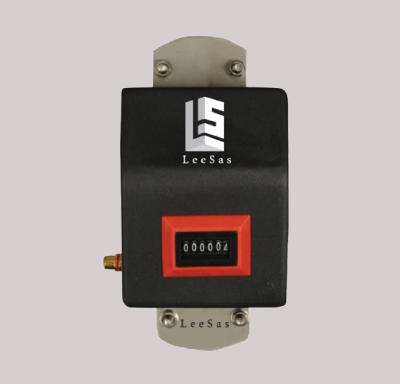
Their lightning arresters are built using high-quality materials and advanced manufacturing techniques to ensure durability, fast response times, and minimal maintenance. Whether it’s a skyscraper in an urban hub or a sprawling industrial park, LES Ecotonik System offers scalable and efficient lightning protection devices for all kinds of commercial complexes.
Why Choose LES Ecotonik System as Your Lightning Arrester Partner?
Custom Engineering: Every lightning protection system is tailored to suit the building’s structure, elevation, and risk profile.
End-to-End Support: From initial consultation and risk assessment to installation guidance and maintenance, LES Ecotonik System is with you at every step.
Certified Compliance: All products meet the highest international standards, ensuring performance, reliability, and safety.
Proven Track Record: With successful installations across commercial sectors, the company has earned a reputation for excellence and trust.
Conclusion
Lightning strikes are unpredictable, but their impact on unprotected infrastructure is devastatingly consistent. For commercial complexes striving to ensure safety, business continuity, and regulatory compliance, investing in a robust lightning protection system is not a luxury—it’s a necessity.
By selecting a reputable Lightning Arrester Manufacturer like LES Ecotonik System, businesses ensure they are not only meeting safety standards but are also safeguarding assets, people, and long-term brand integrity. With advanced products, expert guidance, and a commitment to protection, LES Ecotonik System is your ideal partner in lightning defense.