
Upgrading Old Earthing & Bonding Systems: Why It’s No Longer Optional
Electrical safety standards have evolved significantly over the years, but many buildings and industrial facilities still rely on outdated earthing and bonding systems installed decades ago.
While these systems may have once met safety norms, today they often fall short of current electrical loads, modern equipment sensitivity, and updated regulatory requirements.
Upgrading old earthing and bonding systems is no longer just a best practice—it is a necessity for safety, compliance, and operational reliability.
This article explains why aging systems fail, the risks they pose, and how modern upgrades improve electrical safety across industries.
Understanding the Role of Earthing and Bonding
Earthing and bonding are fundamental to electrical safety. While often mentioned together, they serve distinct but interconnected purposes.
Earthing provides a low-resistance path for fault currents to dissipate safely into the ground.
Bonding ensures that all conductive parts remain at the same electrical potential, preventing dangerous voltage differences.
Together, they protect people, equipment, and structures from electric shock, fire hazards, and equipment damage.
Why Older Systems Are Becoming Unsafe
Many legacy earthing and bonding systems were designed for electrical environments that no longer exist.
Older facilities typically had lower power consumption, fewer sensitive electronics, and simpler distribution networks.
Today’s challenges include:
Increased electrical loads
High-speed electronic equipment
Automation and digital control systems
Renewable energy integration
Old systems struggle to handle these demands, increasing the risk of failure.
Common Problems Found in Aging Earthing Systems
Upgrading begins with identifying weaknesses. Older systems often suffer from predictable issues:
Corroded earth electrodes
Increased soil resistance due to dryness or construction changes
Loose or degraded bonding connections
Inadequate conductor sizes
Non-compliance with updated standards
These issues reduce fault current dissipation and compromise safety.
Impact of Corrosion on System Performance
Corrosion is one of the biggest threats to earthing and bonding effectiveness.
Over time, moisture, soil chemicals, and environmental exposure degrade conductors and electrodes.
Consequences include:
Increased earth resistance
Intermittent grounding paths
Unpredictable fault behavior
Modern upgrades use corrosion-resistant materials designed for long-term stability.
Changing Electrical Loads and Their Risks
Electrical systems today operate at much higher loads than in the past.
Equipment such as data centers, CNC machines, VFDs, and medical devices require stable grounding to function safely.
Old systems not designed for such loads may lead to:
Equipment malfunction
Electrical noise interference
Frequent system trips
Increased fire risk
Upgrading ensures compatibility with modern electrical infrastructure.
Safety Hazards of Inadequate Bonding
Bonding failures are particularly dangerous because they often go unnoticed until an accident occurs.
Poor bonding allows different metal parts to carry different voltages, creating shock hazards.
Typical risks include:
Electric shock to personnel
Dangerous touch and step voltages
Equipment casing becoming live during faults
Upgraded bonding systems equalize potentials, drastically reducing these risks.
Compliance With Modern Electrical Standards
Electrical safety regulations are continuously updated to reflect technological advancements and safety research.
Older earthing systems often fail to meet current requirements.
Upgrading helps achieve compliance with:
National electrical codes
Industrial safety regulations
Insurance and audit requirements
International safety standards
Non-compliance can result in penalties, shutdowns, or liability issues.
Role of Soil Conditions in System Performance
Over time, soil conditions around earth electrodes change due to construction, landscaping, or climate effects.
Dry soil significantly increases resistance.
Modern upgrades address this by:
Using chemical earthing methods
Enhancing moisture retention
Increasing electrode depth or quantity
These solutions ensure stable earth resistance year-round.
Fire Prevention Through Better Grounding
Poor earthing and bonding are major contributors to electrical fires.
Fault currents that cannot dissipate properly generate excessive heat, damaging insulation and nearby materials.
Upgrading systems:
Enables rapid fault current discharge
Reduces overheating
Prevents insulation breakdown
This directly lowers fire risk in industrial and commercial facilities.
Benefits of Upgrading Earthing & Bonding Systems
Modern upgrades offer long-term operational and safety benefits:
Enhanced personnel safety
Improved equipment reliability
Reduced electrical noise
Longer system lifespan
Lower maintenance costs
The investment pays for itself by preventing failures and downtime.
Planning an Effective Upgrade Strategy
Upgrading is not just about replacing components—it requires careful planning.
Key steps include:
Site assessment and soil testing
Measurement of existing earth resistance
Identification of bonding gaps
Selection of appropriate materials
Compliance verification
A systematic approach ensures effective and lasting results.
Choosing the Right Earthing & Bonding Manufacturer in Jaipur
Selecting a trusted Earthing & Bonding Manufacturer in Jaipur is critical when upgrading old systems.
The manufacturer’s experience, material quality, and technical expertise directly influence system performance and lifespan.
A reliable manufacturer provides:
Application-specific earthing solutions
Compliance with safety standards
Durable, corrosion-resistant materials
Engineering support for system design
Choosing the right partner ensures a safe and future-ready installation.
How an Earthing & Bonding Manufacturer in Jaipur Adds Value
A professional Earthing & Bonding Manufacturer in Jaipur goes beyond supplying products.
They assist in system evaluation, customization, and performance optimization.
Key value additions include:
Site-specific design recommendations
Advanced testing and quality control
Long-term performance assurance
Technical documentation and guidance
This holistic approach ensures successful system upgrades.
LES Ecotonik System and Modern Earthing Solutions
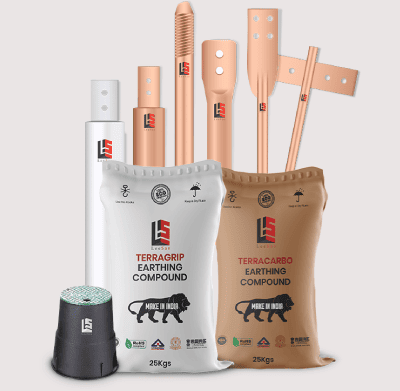
LES Ecotonik System specializes in designing and manufacturing advanced earthing and bonding solutions tailored for modern electrical environments.
Their products are engineered to deliver consistent performance even under challenging soil and load conditions.
With a focus on safety, durability, and compliance, LES Ecotonik System ensures:
Low earth resistance stability
Long-term corrosion resistance
Enhanced fault current handling
Reduced maintenance requirements
Their solutions support seamless upgrades from legacy systems to modern standards.
Conclusion
Upgrading old earthing and bonding systems is no longer optional in today’s high-demand electrical environments.
Aging infrastructure poses serious safety, compliance, and operational risks that can no longer be ignored.
By partnering with a trusted Earthing & Bonding Manufacturer in Jaipur organizations can ensure safe, compliant, and future-ready electrical systems.
With proven engineering expertise and reliable products, LES Ecotonik System provides modern solutions that enhance safety, protect assets, and deliver long-term value.