
Understanding How Lightning Protection Prevents Electrical Fires
Lightning is one of the most powerful natural phenomena on earth. A single lightning strike can carry over 300 million volts of electricity, capable of causing instant structural damage, power surges, electrical breakdowns, and even devastating fires. In fact, globally, thousands of electrical fires each year are directly or indirectly triggered by lightning-induced surges.
As modern buildings become more dependent on electronic devices, automated systems, and sensitive equipment, the risk associated with lightning increases significantly. Preventing electrical fires through a robust lightning protection system has become a necessity—not a luxury.
This comprehensive blog explains how lightning protection works, why electrical fires happen, and how modern protection systems safeguard homes, industries, commercial facilities, and infrastructure.
Understanding the Danger: How Lightning Causes Electrical Fires
Lightning-induced electrical fires can occur in multiple ways. Understanding these mechanisms helps in appreciating the importance of proper lightning protection.
1. Direct Lightning Strikes on Buildings
A direct strike injects an enormous amount of current into the structure. Even if the building has some level of grounding, the sudden surge can:
Ignite flammable materials
Melt wires and insulation
Damage electrical panels
Start roof fires
Cause structural cracks
Traditional buildings with wooden roofs or older wiring systems are especially vulnerable.
2. Power Surges Through Electrical Lines
Lightning does not have to strike a building directly to cause a fire. A nearby strike can travel through:
Overhead power lines
Underground cables
Telephone lines
Internet cables
Metallic pipelines
This induced surge can quickly overload circuits, leading to:
Overheating of electrical devices
Melting of wiring insulation
Short circuits
Spark-generated fires
Most electrical fires caused by lightning start this way.
3. Ground Potential Rise (GPR)
When lightning hits the ground, the current spreads outward in all directions. This creates a temporary but extremely dangerous voltage difference between two points on the ground. This sudden potential rise can enter a building’s grounding system and destabilize circuits, heating up electrical components and triggering fires.
4. Poor or Outdated Electrical Infrastructure
Older buildings often have:
Worn-out wiring
Inadequate grounding
Low-rated circuit breakers
Faulty connectors
Improper earthing networks
When lightning interacts with these weak points, the risk of electrical fires multiplies.
Why Lightning Protection Is Critical
Lightning protection systems (LPS) are designed to control, divert, and dissipate lightning energy safely into the ground. A well-designed LPS prevents fires by:
Stopping direct lightning damage
Redirecting high-voltage surges
Protecting the internal electrical network
Preventing overheating of wires and devices
Reducing spark formation
Securing flammable areas in and around the building
With the right components, lightning protection acts as your structure’s shield against unpredictable natural forces.
Components of an Effective Lightning Protection System
To understand how lightning protection prevents electrical fires, let’s break down the major components:
1. Air Termination System (Lightning Rods)
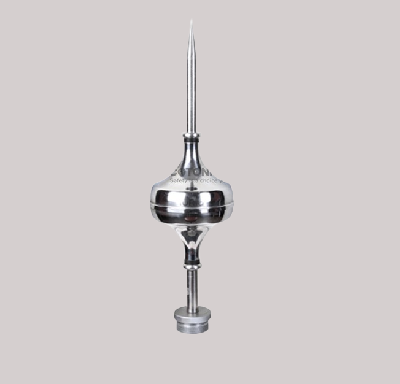
Lightning rods capture lightning energy before it reaches the structure. They provide a safe, elevated point of contact, ensuring the lightning does not hit roof materials or exposed electrical cables that could trigger fires.
2. Down Conductors
These conductors channel the captured lightning current from the rod to the ground.
Key features include:
Low-resistance pathways
Proper physical protection
Safe separation from flammable materials
If improperly installed, down conductors can heat up and damage nearby structures.
3. Earth Termination System
This system dissipates the lightning current safely into the soil.
A good earthing system ensures:
Minimal ground resistance
Zero overheating
No backflow into electrical circuits
Poor grounding is one of the most common causes of lightning-related fires.
4. Surge Protection Devices (SPDs)
SPDs protect internal electrical systems. They:
Absorb surges
Divert excess voltage
Prevent fires in appliances and wiring
Protect sensitive electronics
SPDs act as the second line of defense after the external LPS.
5. Bonding and Equipotential Connections
Bonding ensures all grounding systems—electrical, metallic structures, plumbing lines—maintain the same electrical potential. This prevents dangerous arcs and sparks, especially during lightning events.
How Lightning Protection Prevents Electrical Fires
Understanding the science behind fire prevention helps clarify why lightning protection is essential.
1. Prevents Overheating of Building Materials
Lightning generates massive heat. A proper LPS ensures:
Lightning does not strike flammable materials
No wire melts due to uncontrolled current
Structural integrity remains intact
This drastically reduces fire risks.
2. Eliminates Uncontrolled Voltage Flow
Without protection, lightning surges travel unpredictably through electrical wiring. This can instantly overload circuits. LPS and SPDs control the voltage, guiding it safely to the ground.
3. Protects Appliances from Internal Short Circuits
Overloaded appliances can:
Burst
Spark
Catch fire
SPDs prevent such incidents by blocking excess voltage before it reaches devices.
4. Reduces the Risk of Flashovers
A flashover occurs when electricity jumps from one conductor to another through air. Lightning strikes increase flashover risk. Bonding systems eliminate potential differences that create flashovers.
5. Prevents Damage to Electrical Panels
Electrical panels are high-risk zones during lightning events. Surges can cause internal arcs and overheating. SPDs and grounding systems keep panels safe from ignition.
Industries and Buildings That Face the Highest Risk
Certain sectors are more prone to lightning-induced electrical fires:
Manufacturing plants
Hospitals
Data centers
Warehouses
Telecom towers
Fuel storage facilities
Educational institutions
Commercial complexes
High-rise buildings
Residential apartments
Why Regular Maintenance of Lightning Protection Systems Is Important
A lightning protection system is only effective if properly maintained:
Ground resistance tests
SPD health checks
Conductor continuity tests
Bonding inspections
Corrosion checks
Tightening of mechanical joints
Replacement of worn-out components
A well-maintained system ensures consistent fire prevention.
Common Mistakes That Lead to Lightning-related Electrical Fires
Avoiding these mistakes can save lives and property:
Installing lightning rods without SPDs
Poor earthing system design
Incorrect placement of conductors
Lack of bonding
Use of substandard components
No periodic testing
Assuming small buildings don’t need protection
Lightning does not differentiate between small and large structures—every building is vulnerable.
Why Certified Lightning Protection Systems Are Essential
When choosing a protection system, working with a trusted Lightning Arrester Manufacturer in Pune ensures that your building receives reliable components that meet internationally recognized safety standards. Certified arresters significantly reduce the chances of electrical fires by effectively diverting hazardous surges and stabilizing grounding networks.
A professional Lightning Arrester Manufacturer in Pune, such as LES Ecotonik System , delivers products that undergo rigorous quality checks, performance tests, and compliance with IEC and IS standards. Their lightning arresters are engineered to withstand extreme surge currents, ensuring optimal protection for residential, commercial, and industrial environments.
FINAL THOUGHTS
By partnering with LES Ecotonik System, a leading Lightning Arrester Manufacturer in Pune you ensure maximum fire safety, enhanced surge protection, and long-term reliability for your building. Their expertise in advanced lightning protection technologies helps safeguard your infrastructure from the devastating consequences of electrical fires.