
A Simple Guide to Surge Protection for Homes and Industries
Surge Protection for Homes and Industries
Surge protection is a critical aspect of electrical safety, both in homes and industries. With the growing dependence on electrical systems and the increasing complexity of modern devices, power surges pose a significant risk to sensitive electronics and equipment. Surge protection helps safeguard electrical appliances, machinery, and critical infrastructure from damage caused by transient voltage spikes. Whether you’re a homeowner looking to protect household appliances or a business owner aiming to secure industrial equipment, understanding surge protection is crucial.
In this guide, we will explore the basics of surge protection, its importance, and how surge protection devices (SPDs) work to prevent damage. We’ll also look at why choosing the right surge protection is essential for both residential and industrial applications.
What is Surge Protection?
A power surge, or voltage surge, refers to a sudden increase in the voltage of an electrical circuit. It can be caused by several factors, including lightning strikes, power outages, faulty wiring, or even the activation of large equipment. These surges can cause significant damage to electrical systems, often in the form of overheating, electrical fires, or permanent damage to electronic components.
Surge protection refers to the use of specialized devices or systems that limit the impact of these sudden voltage spikes. Surge protectors, often called surge arresters or voltage surge protectors, are designed to divert excess voltage to the ground or limit the amount of voltage passing through the device to a safe level.
Surge protection is essential because:
- Prevention of Damage: It prevents power surges from damaging sensitive electronic equipment like computers, televisions, refrigerators, and industrial machines.
- Extended Equipment Lifespan: Proper surge protection can prolong the life of electrical devices by preventing wear caused by frequent voltage fluctuations.
- Fire Prevention: By limiting excess electrical current, surge protection reduces the risk of electrical fires caused by short circuits and overheating.
- Improved Safety: Surge protection helps ensure the safety of the entire electrical system, preventing dangerous voltage levels that could lead to electrocution or other hazards.
How Surge Protection Works
Surge protection devices work by either redirecting or absorbing the excess voltage to prevent it from reaching sensitive equipment. The key components involved in surge protection are:
- Metal Oxide Varistor (MOV): This is one of the most common components used in surge protectors. When the voltage exceeds a certain threshold, the MOV conducts electricity to ground, redirecting the surge away from the protected device.
- Gas Discharge Tube (GDT): A gas discharge tube is another type of component used in surge protectors. It conducts when the voltage exceeds a specific level, allowing the excess current to flow through the tube and safely discharge it.
- Transient Voltage Suppressor (TVS): A TVS diode is designed to absorb or clamp voltage spikes by acting as a short circuit for a brief period, thus protecting the device from a surge.
- Capacitors: These components help to smooth out power surges and reduce their impact on sensitive equipment.
- Grounding: Proper grounding ensures that the excess voltage is safely directed to the earth, avoiding harm to the electrical system or devices connected to it.
Surge protection can be applied at various points in the electrical system, such as at the point of entry (main panel), at individual devices (outlet strip), or for specific equipment (industrial machinery).
Why Surge Protection is Essential for Homes
For homeowners, surge protection is vital in preventing damage to the electrical appliances and devices that we rely on daily. Homes today are filled with a wide array of sensitive electronics—computers, refrigerators, HVAC systems, microwaves, and entertainment systems, to name just a few. Without proper surge protection, these appliances are at risk of being damaged during power surges.
Common Causes of Power Surges in Homes:
- Lightning Strikes: Direct or nearby lightning strikes can send powerful surges through the electrical grid, affecting anything connected to it.
- Power Grid Switching: When power companies switch on or off high-voltage transmission lines, it can create momentary surges that travel into homes.
- Faulty Wiring: Poorly maintained or old electrical wiring can increase the likelihood of power surges. Loose connections or improperly grounded circuits can create instability.
- Large Appliances: High-powered appliances like air conditioners, refrigerators, and washing machines can create surges when they are switched on or off.
Types of Surge Protection for Homes:
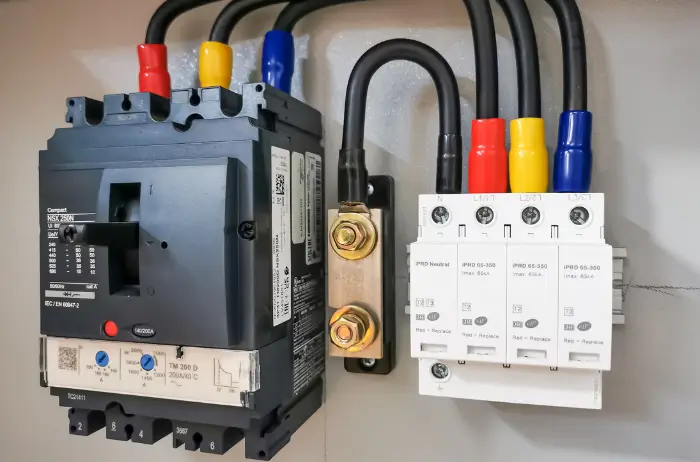
- Whole-House Surge Protectors: Installed at the main electrical panel, these protect the entire house from power surges by blocking excess voltage from entering the electrical system.
- Point-of-Use Surge Protectors: These are the common surge protectors used for individual devices, typically in the form of power strips or plugs. They are ideal for protecting sensitive electronics like computers, TVs, and gaming consoles.
By investing in quality surge protection, homeowners can avoid costly repairs or replacements of their electrical devices.
Surge Protection in Industrial Applications
In industrial settings, surge protection is even more critical. Industrial equipment often involves complex machinery, electrical systems, and valuable data servers that are integral to production processes. A single power surge can result in expensive downtime, damaged machinery, or loss of valuable data. Therefore, industrial surge protection systems need to be more robust, with multiple layers of defense.
Challenges in Industrial Surge Protection:
- Large-Scale Equipment: Industrial machinery, including motors, PLCs (Programmable Logic Controllers), and HVAC systems, are often exposed to frequent surges that can lead to operational failure if not adequately protected.
- Critical Data Systems: Data centers and control rooms contain sensitive electronic equipment that requires constant uptime. A power surge could wipe out entire systems, resulting in both financial loss and data loss.
- Environmental Factors: Industries located in areas prone to thunderstorms or unstable power grids must have enhanced surge protection measures in place to ensure continuity of operations.
Types of Surge Protection for Industries:
- Type 1 Surge Protection: Installed at the main distribution board, these systems offer high-energy protection and are ideal for preventing surges caused by external factors like lightning strikes.
- Type 2 Surge Protection: Installed at sub-distribution boards, these protect sensitive equipment within the facility from internal electrical surges.
- Type 3 Surge Protection: These are point-of-use devices that protect individual pieces of equipment, such as computers or control systems, from local electrical spikes.
In industrial applications, surge protection solutions should be custom-designed to fit the specific needs of the operation, taking into account factors like the type of machinery, location, and the vulnerability of critical systems.
Surge Protection for Homes and Industries: Why LES Ecotonik System is the Right Choice
When selecting a surge protection system, it’s crucial to work with a reliable and experienced surge protection manufacturer. LES Ecotonik System is a trusted name in the industry, known for its high-quality surge protection solutions for both homes and industries. With a focus on safety, durability, and advanced technology, LES Ecotonik System offers a wide range of surge protection products tailored to meet the unique needs of residential and industrial clients alike.
Why Choose LES Ecotonik System?
- Innovative Technology: LES Ecotonik System integrates the latest advancements in surge protection technology, ensuring the best possible protection for your home or business.
- Comprehensive Solutions: Whether you’re looking for whole-house protection or industrial-grade devices for heavy machinery, LES Ecotonik System offers a full range of surge protectors designed for different applications.
- Reliability: Known for their high-quality construction, LES Ecotonik System products are designed to withstand even the most challenging electrical environments.
- Customizable Options: LES Ecotonik System works with clients to design surge protection solutions that are perfectly suited to their specific needs, offering both standard and custom options.
By choosing LES Ecotonik System, you can have peace of mind knowing that your electrical system is equipped with the best surge protection available.
Conclusion
Surge protection is not just a luxury; it is a necessity for both homes and industries. Power surges can cause
catastrophic damage to sensitive electronic equipment, resulting in costly repairs, downtime, and even safety
hazards. By investing in the right surge protection solutions, you can protect your assets, improve safety, and
prolong the life of your electrical systems.
Whether you are a homeowner or an industrial operator, choosing the right surge protection device is essential.
LES Ecotonik System offers a wide range of reliable, high-quality surge protectors designed to meet the diverse
needs of both residential and industrial customers. With their innovative solutions and commitment to safety, LES
Ecotonik System is the ideal partner for protecting your home or business from the risks of power surges.
With this guide, you now have a solid understanding of surge protection and why it’s so crucial for electrical
systems in both homes and industries. Ensure that your electrical infrastructure is equipped to handle power
surges, and consider contacting a trusted surge protection manufacturer like LES Ecotonik System for the best
protection solutions on the market.