
Why Lightning Protection Systems Matter for Modern Infrastructure
Why Lightning Protection Systems Matter for Modern Infrastructure
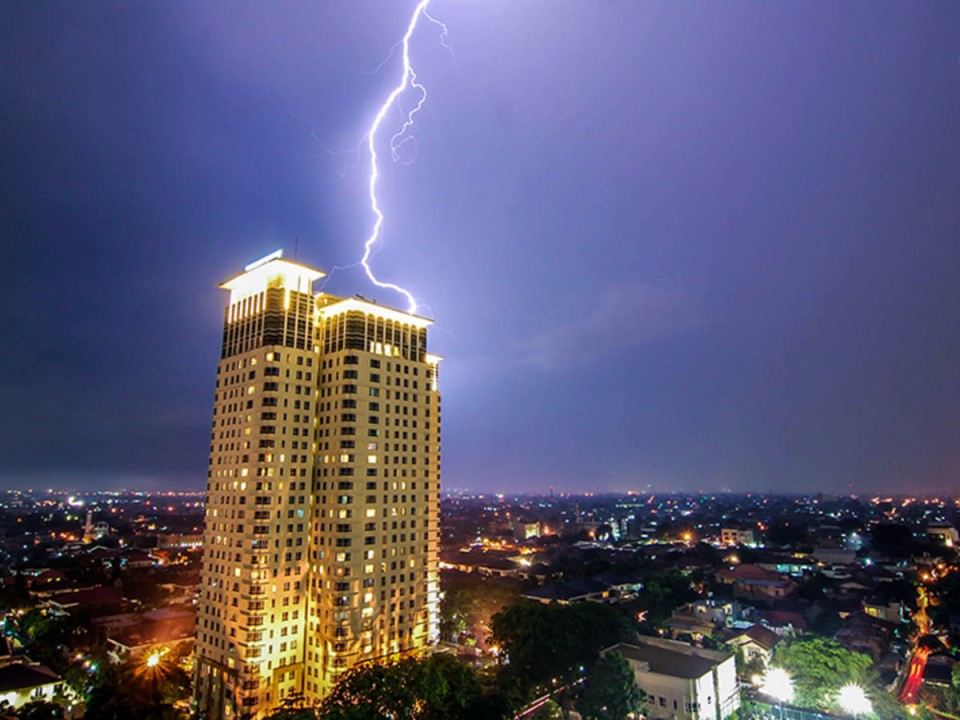
In an age where infrastructure projects are becoming more advanced and resilient, one critical element often overlooked is lightning protection. Whether it’s a skyscraper in a city skyline, a large industrial facility, or even a modern residential building, lightning strikes pose a significant risk to both human safety and the integrity of the structures themselves. The economic and safety implications of lightning-related damage cannot be overstated, and a proper lightning protection system (LPS) is essential to mitigate these risks.
In this post, we’ll explore why lightning protection systems are vital for modern infrastructure, how they work, and the role that lightning arresters play in safeguarding structures. We’ll also focus on the importance of choosing the right lightning protection solution and introduce LES Lightning, a trusted lightning arrester manufacturer in Ahmedabad, offering solutions to protect your property and assets from the unpredictable force of nature.
The Growing Need for Lightning Protection in Modern Infrastructure
As the world becomes increasingly urbanized, lightning strikes pose a greater risk than ever before. High-rise buildings, power plants, communication towers, and other vital structures are often vulnerable to lightning strikes. Modern infrastructure is more susceptible to these hazards due to the increasing use of electronic systems, metallic frames, and high-energy equipment. A lightning strike can lead to catastrophic consequences such as fires, electrical surges, equipment damage, and loss of data.
The growing frequency of extreme weather events, coupled with the rise in modern construction techniques, has heightened the importance of implementing effective lightning protection systems. Here are some key reasons why lightning protection systems matter for modern infrastructure:
1. Preventing Structural Damage
When lightning strikes a building or infrastructure, it can cause severe damage to both the structure and its electrical systems. For example, the intense heat generated by a lightning strike can ignite fires, damage the building’s exterior, or even cause structural collapse. A properly installed lightning protection system, which includes lightning rods and earth grounding systems, safely diverts the lightning strike to the ground, preventing damage to the building itself.
2. Protecting Human Life
In addition to damage to the building, lightning strikes can pose a severe threat to human life. Direct lightning strikes or secondary effects, such as fires or electrical surges, can cause injuries or even fatalities. In commercial buildings, hospitals, schools, and high-traffic public spaces, the risk to human life is a critical concern. A lightning protection system ensures the safety of those inside and around the structure by mitigating the dangers posed by lightning strikes.
3. Safeguarding Electrical and Communication Systems
Modern buildings are heavily reliant on electrical and communication systems for their operation. Lightning strikes can cause power surges or equipment malfunctions, resulting in costly downtime, equipment replacement, and data loss. A well-designed lightning protection system includes surge protection devices and lightning arresters that help safeguard critical infrastructure, including data centers, communication towers, and electrical systems, from lightning-induced power surges.
4. Reducing Economic Loss
The financial consequences of lightning strikes can be significant. Damaged equipment, lost productivity, insurance claims, and repairs can quickly add up. For businesses, manufacturing units, and industries that rely on complex machinery or electrical systems, lightning damage can result in substantial downtime, affecting profits and productivity. Lightning protection systems are a long-term investment that can help minimize these risks and save businesses from unexpected losses.
5. Legal and Insurance Compliance
In many regions, there are strict building codes and regulations that require the installation of lightning protection systems for new constructions, especially for tall buildings and industrial complexes. Non-compliance with these regulations can lead to penalties, legal issues, or denial of insurance claims. Having a lightning protection system in place ensures compliance with local safety standards and helps businesses avoid costly legal and insurance complications.
How Lightning Protection Systems Work
A lightning protection system (LPS) is designed to intercept, conduct, and safely dissipate the energy from a lightning strike into the ground, preventing damage to the structure. The core components of a typical lightning protection system include:
1. Air Terminals (Lightning Rods)
The lightning rod, or air terminal, is a metal pole installed at the highest point of the building or structure. Its primary function is to intercept the lightning strike and direct it safely down to the ground. The air terminal is made of highly conductive materials, such as copper or aluminum, to ensure that the lightning energy flows smoothly into the system.
2. Conductors
The conductors are the copper or aluminum cables that connect the air terminals to the ground system. These cables are carefully routed along the building’s surface or within walls to provide a clear, unobstructed path for the lightning energy to travel. Conductors must be properly sized to handle the electrical energy from a lightning strike without damage.
3. Grounding System
The grounding system is an essential component of the LPS, as it safely disperses the lightning energy into the earth. The system consists of grounding electrodes, such as copper plates or rods, buried deep in the ground to provide low resistance to the flow of electricity. A well-designed grounding system ensures that lightning energy is effectively dissipated into the earth without causing harm to the building or its occupants.
4. Surge Protection Devices
Surge protectors are additional components often integrated into lightning protection systems to safeguard electrical equipment from power surges caused by lightning strikes. These devices are installed in the electrical system and prevent surges from damaging sensitive equipment like computers, servers, and HVAC systems.
5. Bonding and Earthing
Bonding refers to the process of electrically connecting different metal parts of the building (such as plumbing, electrical systems, and structural elements) to the lightning protection system. This helps reduce the potential difference between various parts of the building, minimizing the risk of electrical shock or fire during a lightning strike.
The Role of Lightning Arresters in Modern Infrastructure
Lightning arresters, also known as lightning rods or surge protectors, are essential components in the broader lightning protection system. They are designed to intercept lightning strikes and direct the electrical energy away from vulnerable parts of the infrastructure. Whether for a residential building, industrial complex, or commercial property, installing high-quality lightning arresters ensures that the system works efficiently, providing maximum protection.
Why You Need a Reliable Lightning Arrester Manufacturer in Ahmedabad
When selecting a lightning arrester for your infrastructure, it’s crucial to source it from a reliable manufacturer that ensures the highest standards of quality, efficiency, and compliance with safety norms. LES Lightning, a leading lightning arrester manufacturer in Ahmedabad, offers a wide range of advanced lightning protection solutions designed to meet the unique needs of modern infrastructure.
Why Choose LES Lightning for Your Lightning Protection Needs?
- High-Quality Products: LES Ecotonik System manufactures lightning arresters using premium materials like copper and aluminum, ensuring durability and efficient performance during lightning strikes.
- Custom Solutions: Whether you’re constructing a new building, upgrading an old system, or dealing with unique site conditions, LES Lightning offers custom solutions to meet your specific requirements.
- Compliance with Safety Standards: LES Lightning ensures that all products adhere to local and international safety standards, helping you comply with building codes and regulations.
- Expert Installation and Support: With decades of experience in the industry, LES Lightning provides professional installation and support services, ensuring that your lightning protection system operates flawlessly.
LES Lightning: Leading the Way in Lightning Protection Systems
LES Lightning is a trusted name when it comes to lightning protection systems in Ahmedabad and across India. With a strong focus on innovation, quality, and customer satisfaction, LES Lightning offers cutting-edge lightning arresters and other components that protect buildings, industrial complexes, and infrastructure from the dangers of lightning.
As a lightning arrester manufacturer in Ahmedabad, LES Lightning specializes in designing and supplying reliable, high-performance systems tailored to the needs of various industries. Whether you’re building a new facility, retrofitting an old structure, or looking to upgrade your existing system, LES Lightning is the go-to provider for state-of-the-art lightning protection solutions.
Conclusion
In 2025, lightning protection systems are more important than ever in safeguarding modern infrastructure. With the increasing complexity of buildings and the growing reliance on electronic systems, ensuring your property is equipped with an effective lightning protection system is a critical investment in safety, reliability, and compliance.
From preventing structural damage to protecting human life and minimizing economic loss, the benefits of a lightning protection system cannot be overstated. With the expertise of a reputable lightning arrester manufacturer in Ahmedabad like LES Lightning, you can ensure that your infrastructure is fully protected from the risks of lightning strikes.
Don’t wait until it’s too late—invest in a high-quality lightning protection system today, and ensure your infrastructure is prepared to withstand nature’s unpredictable force.