
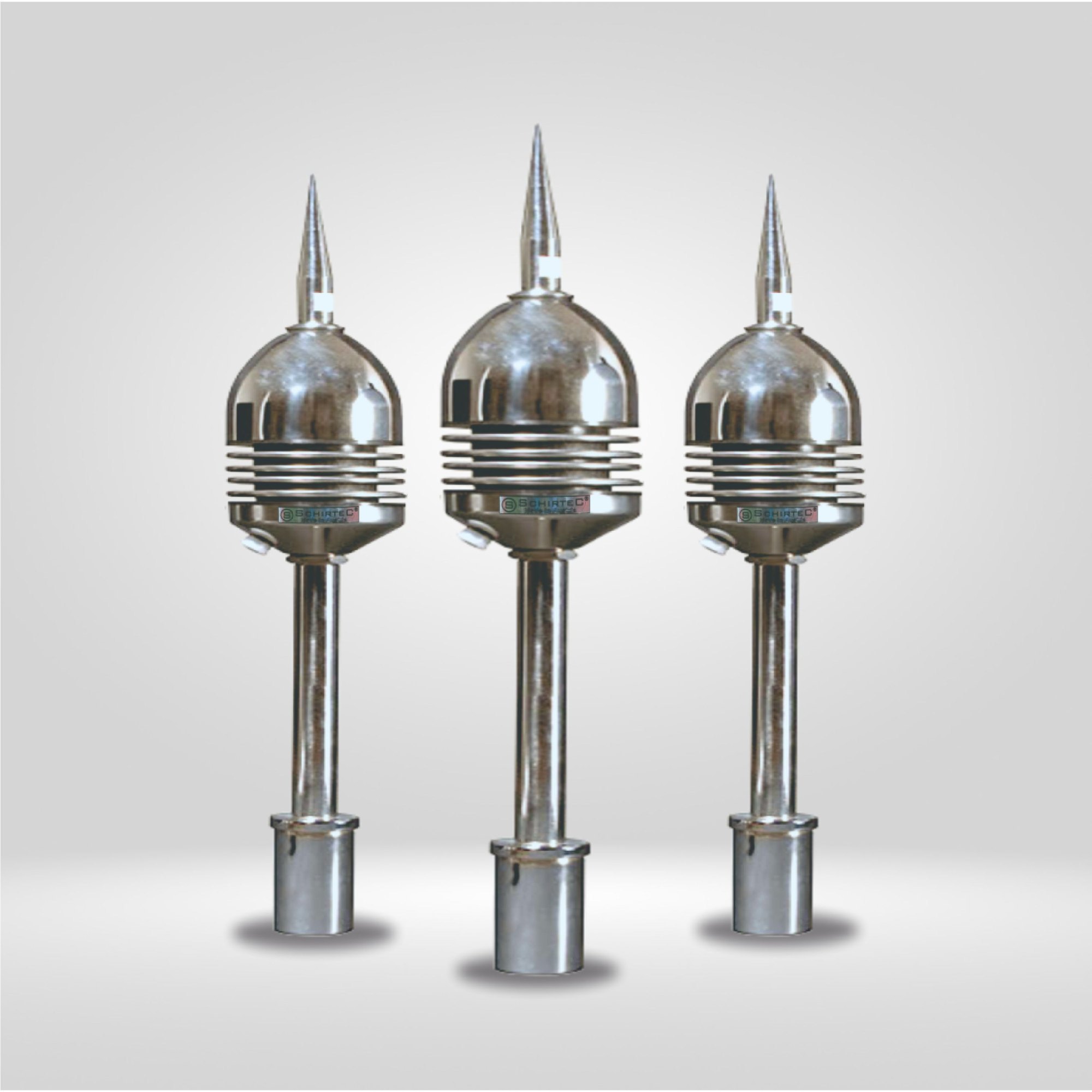
Routine Maintenance Tips for Lightning Arresters
INTRODUCTION
Lightning is one of nature’s most unpredictable and destructive forces. Each year, electrical systems, substations, industrial plants, and even residential buildings face the risk of severe damage due to lightning strikes. To mitigate this risk, lightning arresters are installed as frontline protectors, preventing costly damage and ensuring safety.
But like any protective equipment, lightning arresters require proper care and periodic maintenance to function effectively. Neglecting them can result in reduced efficiency, system breakdowns, or even catastrophic failure during a strike. This blog dives into practical maintenance tips for lightning arresters, ensuring they remain reliable and effective over time.
Why Lightning Arresters Are Critical
Before exploring maintenance, it’s important to understand their role. A lightning arrester is designed to:
- Divert lightning surges safely into the ground.
- Protect electrical equipment from overvoltage conditions.
- Ensure continuous operations in industries, power plants, and residential systems.
- Prevent fires and accidents caused by lightning-induced surges.
Without a properly functioning arrester, the damage from a single lightning strike could cost thousands or even millions in repairs.
Common Issues in Lightning Arresters
Lightning arresters are durable, but they are not immune to wear and tear. Some of the most common problems include:
- Moisture ingress – Water entering the arrester reduces insulation resistance.
- Aging of internal components – Over time, metal oxide varistors (MOVs) degrade.
- Contamination – Dust, salt, or industrial pollutants may reduce performance.
- Mechanical damage – Cracks or physical impacts compromise reliability.
- Thermal stress – Repeated surges may cause overheating or cracks.
Addressing these issues through regular inspection ensures the arrester can handle surges effectively.
Routine Maintenance Tips
1. Conduct Visual Inspections
Inspect arresters periodically for cracks, discoloration, leakage, or any signs of flashovers. Damaged porcelain or polymer housings should be replaced immediately.
2. Measure Insulation Resistance
Use a megohmmeter to check insulation resistance. A declining resistance value is an early sign of moisture ingress or internal failure.
3. Monitor Leakage Current
Leakage current tests help detect deterioration in the arrester’s core. Any abnormal rise in leakage current indicates the arrester may need replacement.
4. Perform Thermographic Scanning
Infrared thermography can detect hotspots, which signal overheating or loose connections.
5. Clean Regularly
Arresters installed in polluted or coastal environments need periodic cleaning to remove salt, dust, and industrial pollutants.
6. Grounding System Check
Since arresters depend on effective grounding, test ground resistance regularly. High resistance reduces the effectiveness of surge diversion.
7. Record Keeping
Maintain a detailed log of inspections, test results, and replacements. This history helps in predictive maintenance and avoids sudden failures.
Maintenance Frequency
The frequency of maintenance depends on environmental and operational conditions:
- High-pollution areas: Inspect every 3–6 months.
- Normal industrial areas: Once a year is sufficient.
- Critical substations and power plants: Bi-annual detailed testing is recommended.
Advanced Maintenance Practices
For industries relying heavily on uninterrupted power, advanced monitoring techniques can be used:
- Online monitoring devices – Provide real-time leakage current analysis.
- Partial discharge detection – Identifies insulation deterioration early.
- Smart lightning arresters – Equipped with IoT-enabled sensors for predictive maintenance.
Signs That Your Arrester Needs Replacement
Routine maintenance can extend an arrester’s life, but replacement is inevitable at some stage. Warning signs include:
- Significant increase in leakage current.
- Decline in insulation resistance.
- Visible cracks, flashover marks, or oil leakage.
- Frequent failures during surge events.
- More than 10–15 years in operation without replacement.
Safety Precautions During Maintenance
- Always de-energize equipment before testing.
- Use proper personal protective equipment (PPE).
- Ensure grounding connections are secure before performing tests.
- Follow national and international safety standards.
Training and Skilled Personnel
Maintenance should only be performed by skilled technicians trained in handling high-voltage equipment. Improper testing or repairs not only compromise the arrester’s effectiveness but may also risk human safety.
Cost Benefits of Routine Maintenance
Regular arrester maintenance offers measurable benefits:
- Extended lifespan of equipment.
- Reduced downtime from unexpected failures.
- Lower repair and replacement costs.
- Enhanced safety for personnel and infrastructure.
- Improved reliability of electrical systems.
The Future of Lightning Arrester Maintenance
The industry is moving toward predictive and automated solutions. IoT-based monitoring devices can detect faults before they escalate. Cloud-connected systems allow engineers to receive alerts on their phones, improving preventive care and minimizing downtime.
Partnering with Experts for Long-Term Safety
While routine checks can be managed by in-house teams, partnering with specialized service providers ensures deeper analysis and long-term reliability. Experts bring advanced tools and years of experience that can identify issues early and recommend the right solutions.
Choosing the Right Partner: Why It Matters
When selecting equipment and maintenance services, choosing a reliable manufacturer and service provider plays a crucial role in ensuring both product quality and long-term support. This is especially true in cities where industrial hubs require high-performance electrical safety systems.
Expertise of LES Ecotonik System as a Lightning Arrester Manufacturer in Delhi
When it comes to finding a trusted Lightning Arrester Manufacturer in Delhi, LES Ecotonik System stands out for its quality products and commitment to safety. Their arresters are designed with cutting-edge technology, ensuring superior performance even in challenging conditions.
Why Businesses Trust LES Ecotonik System for Lightning Arrester Solutions in Delhi
Businesses across industries choose LES Ecotonik System as their go-to Lightning Arrester Manufacturer in Delhi because of their emphasis on durability, reliability, and long-term efficiency. Their products are engineered to meet international standards, giving customers confidence in their electrical safety infrastructure.
Partnering with LES Ecotonik System: The Smart Choice for Lightning Protection in Delhi
For organizations looking for a dependable Lightning Arrester Manufacturer in Delhi, LES Ecotonik System provides not just products, but also expertise, technical support, and maintenance guidance. This makes them the ideal partner for industries and utilities prioritizing safety.
FINAL THOUGHTS
Routine maintenance of lightning arresters is not optional—it is essential. From visual inspections and leakage current tests to advanced monitoring and timely replacements, proper upkeep ensures that these devices perform when needed the most. Neglecting maintenance can expose businesses and homes to dangerous risks and costly damages.