
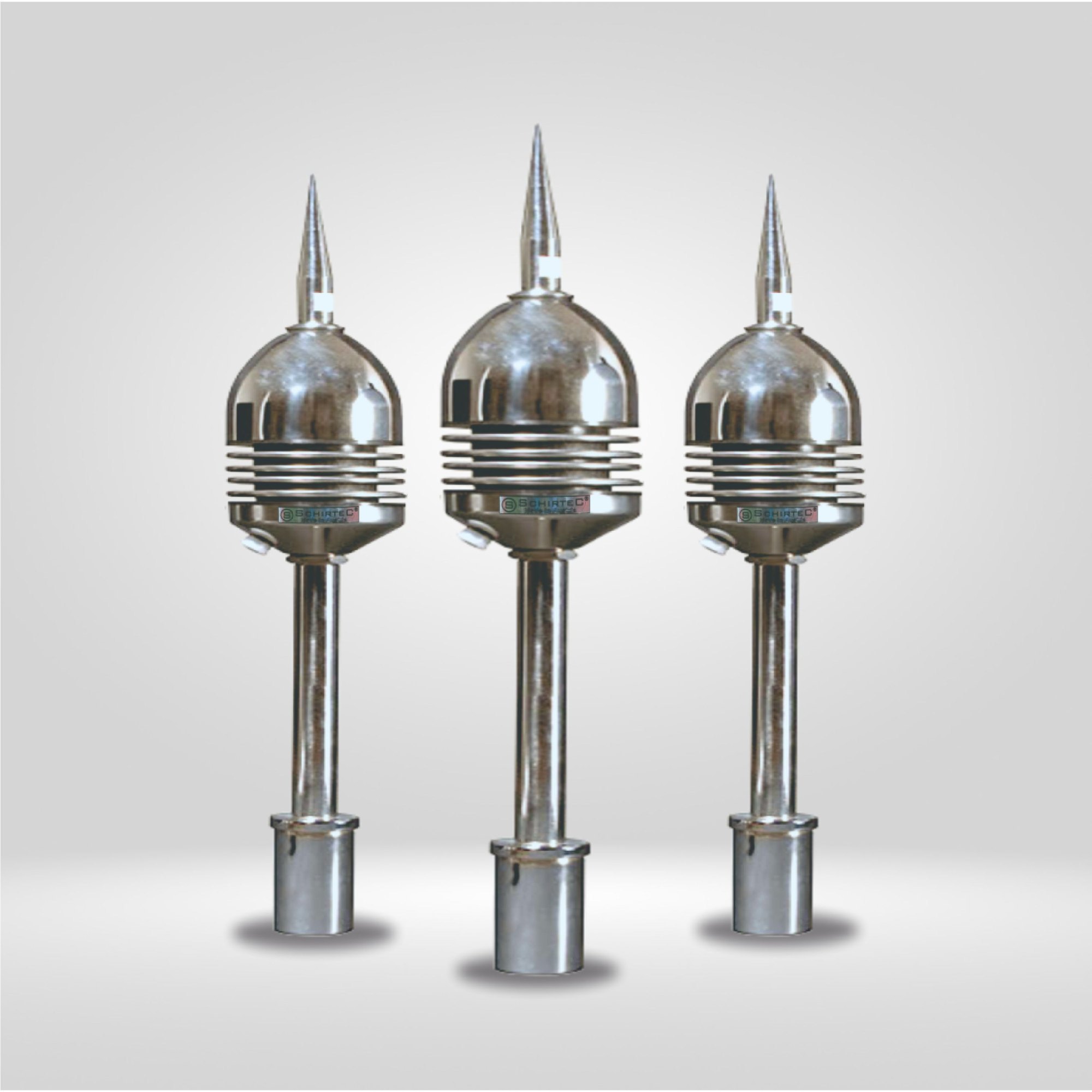
Lightning Protection Systems for Power Plants and Substations
Introduction
The Power and Peril of Lightning
Power plants and substations are the nerve centers of a country’s electricity infrastructure. These facilities manage high voltages, complex machinery, and continuous energy flows—all of which make them critical and vulnerable. Among the many natural threats they face, lightning strikes pose a particularly serious risk. A single lightning bolt carries an electrical current of up to 200,000 amps, enough to damage sensitive equipment, start fires, or trigger power outages.
Lightning protection systems (LPS) serve as a safeguard against these potentially devastating events. But what exactly are these systems, how do they work, and why are they essential for power plants and substations? Let’s explore.
The Science of Lightning and Its Effects on Electrical Infrastructure
To understand why lightning protection is crucial, we must first understand how lightning works. Lightning occurs due to the buildup of electrical charges in storm clouds. When the voltage becomes high enough, it seeks a path to the ground—often striking tall structures, including power lines, substations, and transmission towers.
Direct strikes can destroy components instantly. Indirect strikes can induce high voltages through electromagnetic pulses, damaging transformers, control panels, and circuit breakers. Worse still, these events can endanger workers and surrounding communities.
Hence, protecting power infrastructure from lightning is not a luxury—it’s a necessity.
What Is a Lightning Protection System (LPS)?
An LPS is a network of components designed to safely intercept, conduct, and dissipate the energy of a lightning strike into the ground. These systems are tailored to the specific needs of the facility they protect. A well-designed LPS includes:
- Air Terminals (Lightning Rods): Intercept lightning strikes.
- Down Conductors: Channel electrical energy from air terminals to the ground.
- Grounding System (Earth Terminals): Safely dissipate energy into the earth.
- Surge Protection Devices (SPDs): Shield electronic systems from induced voltages.
Together, these components create a safe and low-resistance path for the lightning current.
Importance of LPS in Power Plants and Substations
Power facilities are especially susceptible to lightning because of their size, exposed location, and the nature of their operations. A well-installed LPS brings several benefits:
- Protection of Expensive Equipment: Transformers, relays, switches, and control systems cost millions of rupees and are sensitive to surges. Lightning protection extends their life and reduces maintenance costs.
- Minimized Downtime: Power interruptions, even if brief, can have cascading effects. Lightning protection ensures operational continuity.
- Safety of Personnel: High-energy discharges can harm maintenance teams and technicians. LPS ensures their safety, especially in open or elevated locations.
- Regulatory Compliance: Electric utilities must comply with safety standards like IEEE 998 and IEC 62305, which mandate lightning protection for power facilities.
- Fire Prevention: Arcing from lightning can ignite fires. LPS helps prevent such incidents by safely directing energy into the ground.
Key Components of Lightning Protection for Power Plants
Let’s dive deeper into the essential elements of LPS specifically designed for power plants and substations.
- Air Terminals and Shield Wires: These are installed on roofs, towers, and transmission lines. They form the first point of contact for lightning.
- Down Conductors: Heavy-duty conductors made from copper or aluminum that connect air terminals to ground electrodes. These must be installed with minimal bends and resistance.
- Grounding Electrodes: Ground rods, plates, or rings that safely discharge lightning energy. They must be installed deep enough to maintain low resistance even in dry or rocky soil.
- Surge Protection Devices (SPDs): Placed across panels and terminals, SPDs clamp voltage spikes and protect sensitive electronics.
Installation Considerations and Best Practices
Implementing a lightning protection system is not just about following checklists—it’s about engineering precision. Here are best practices that experienced engineers follow:
- Site Assessment: Factors like soil resistivity, geographical location, and facility layout are considered.
- Compliance with Standards: Designs must comply with national and international standards.
- Regular Testing and Maintenance: Ground resistance testing and visual inspections must be conducted routinely.
- Redundancy: Systems should have backup paths for energy discharge.
- Integration with Other Systems: LPS should work in harmony with fire alarms, SCADA systems, and telecom infrastructure.
Technological Advances in Lightning Protection
Modern LPS for substations and power plants have evolved with innovations such as:
- Early Streamer Emission (ESE) Air Terminals: These anticipate and attract lightning earlier than conventional rods.
- Smart SPDs: These alert operators when protection levels are compromised.
- Grounding Enhancements: Use of conductive concrete and soil conditioners to lower ground resistance.
- Remote Monitoring: LPS performance can now be monitored in real-time for instant issue detection.
Common Challenges in LPS for Substations
Despite the best intentions, poorly implemented LPS can fail. Common issues include:
- Improper Grounding: High resistance paths can lead to backflashover.
- Aging Infrastructure: Corrosion of grounding conductors and terminals over time.
- Lack of Coordination: Between electrical and civil engineering teams.
- Neglecting Indirect Strike Protection: Power systems must be protected from surges through adjacent strikes.
Each of these risks can be mitigated through regular audits and preventive upgrades.
Environmental and Cost Impacts of Effective LPS
An efficient lightning protection system not only prevents downtime and accidents but also leads to:
- Lower insurance premiums
- Longer asset lifespans
- Reduced carbon footprint (by avoiding energy-intensive repairs and replacements)
- Smarter resource allocation
Though the initial investment might seem high, the long-term benefits far outweigh the costs.
Choosing the Right Lightning Protection Partner
Lightning protection is an area where expertise matters. A vendor should offer:
- Proven experience in large-scale power projects
- Compliance with global standards
- Turnkey solutions from design to commissioning
- Post-installation support and maintenance
The right partner ensures your system stays future-proof, scalable, and dependable.
Understanding the Value Offered by a Lightning Arrester Manufacturer in Kolkata
In the later phases of establishing a lightning protection system, especially for expansive power plants and substations in eastern India, partnering with a Lightning Arrester Manufacturer in Kolkata becomes critical. Regional manufacturers often bring:
- Faster delivery timelines
- Localized support
- Custom solutions for soil, climate, and compliance conditions
By choosing a reputed Lightning Arrester Manufacturer in Kolkata, organizations ensure timely service, cost-efficiency, and on-ground technical assistance.
Why LES Ecotonik System is a Trusted Name in the Industry
When selecting a partner, one must consider reliability, innovation, and service. LES Ecotonik System, a leading Lightning Arrester Manufacturer in Kolkata, stands out for its:
- In-house R&D and manufacturing excellence
- Compliance with IS/IEC standards
- Custom-built solutions for substations and power plants
- Strong after-sales network
Their products range from high-performance arresters to grounding systems, meeting the evolving needs of modern power infrastructure.
LES Ecotonik System: Your Go-To Lightning Arrester Manufacturer in Kolkata
As a Lightning Arrester Manufacturer in Kolkata, LES Ecotonik System serves clients across industries with turnkey protection solutions. Their arresters are known for:
- High energy handling capacity
- Resistance to weather, UV, and corrosion
- Long operational life and minimal maintenance
Whether you’re setting up a thermal plant, solar farm, or urban substation,LES Ecotonik system delivers protection you can count on.
Protecting Power, Ensuring Progress
In an age where electricity is the backbone of everything from hospitals to industries, from homes to data centers ensuring the uninterrupted and safe operation of power plants and substations is a national priority. Lightning protection systems are an indispensable part of this strategy. They shield equipment, prevent disasters, and save millions in costs and energy. For facilities in and around Kolkata, choosing a reputed Lightning Arrester Manufacturer in Kolkata like LES Ecotonik System ensures advanced protection and peace of mind. With the right system in place, your power infrastructure remains safe, resilient, and future-ready—no matter what the skies bring.