
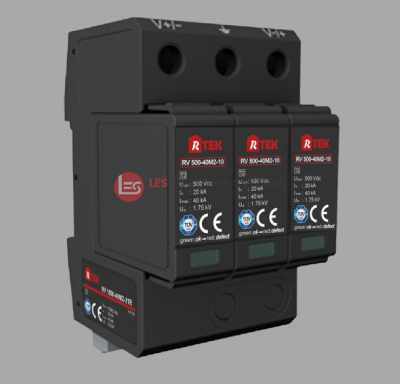
Common Misconceptions About Surge Protection Devices
INTRODUCTION
In today’s increasingly electrified world, the demand for safe, consistent, and reliable power is higher than ever. We rely on sophisticated electronic devices in our homes, offices, factories, and data centers to maintain the smooth flow of work, entertainment, and security. Yet despite their critical role, these devices are under constant threat from one of the most unpredictable hazards in the electrical ecosystem: power surges. Power surges can be triggered by anything from lightning strikes and grid switching to equipment failures and even internal building wiring issues. That’s why surge protection devices (SPDs) have become indispensable in modern electrical systems. However, there are still widespread myths and misconceptions about SPDs what they do, how they work, and what level of protection they offer. This comprehensive guide will break down these misconceptions and help you better understand surge protection devices, ensuring your electrical infrastructure stays resilient and secure.
Why Surge Protection Matters
Let’s begin with the basics. A power surge is a sudden, brief increase in voltage that can damage or destroy electrical equipment. These surges can occur in milliseconds, with voltages spiking far beyond what a device is designed to handle.
Without proper surge protection, even a minor surge can:
- Permanently damage sensitive electronics
- Disrupt critical operations
- Lead to costly repairs and downtime
- Compromise safety
As we connect more sensitive electronics to the power grid, from computers to smart home devices, surge protection becomes a foundational element of electrical safety.
How Surge Protection Devices Work
An SPD works by diverting excess voltage away from your equipment and safely grounding it before it causes harm. These devices respond almost instantly, clamping down the surge to a safer level that your equipment can handle. SPDs are not all the same; they come in multiple classes and configurations to handle different types of surges, from massive lightning-induced events to smaller transients caused by switching heavy machinery.
Misconception #1: “I Only Need Surge Protection for Lightning”
A common myth is that surge protection is only needed in areas prone to lightning strikes. While lightning is indeed a powerful cause of surges, studies show that the majority of damaging surges actually come from internal sources within the building itself.
For example:
- Switching large motors on and off
- Elevators and HVAC equipment
- Faulty wiring
- Malfunctioning appliances
These internal surges can be just as destructive as lightning. Hence, comprehensive surge protection is critical even if you live in a region with low lightning risk.
Misconception #2: “My Circuit Breaker Protects Against Surges”
Another frequent misconception is that a standard circuit breaker can protect equipment from surges. Circuit breakers are designed to protect against overcurrent — in other words, they trip when the current exceeds safe levels over a period of time. However, a surge is a momentary overvoltage, often lasting microseconds. Circuit breakers cannot respond fast enough to stop these fast transients. Only a properly designed SPD can do that.
Misconception #3: “One Surge Protector for the Whole Building Is Enough”
Some people believe a single surge protector installed at the main panel will protect their entire building. While a whole-building SPD is vital, it is only the first layer of defense. Sensitive equipment, such as computers and medical devices, may need point-of-use SPDs for localized protection. Think of surge protection like a team sport where each layer supports the others. Combining panel-level devices with plug-in protectors ensures no vulnerable equipment is left exposed.
Misconception #4: “Surge Protectors Last Forever”
Many assume surge protection devices work indefinitely. In truth, SPDs degrade over time. Each time they divert a surge, they experience a small amount of wear. Eventually, their components, typically metal oxide varistors (MOVs) will lose effectiveness. A good SPD includes an indicator light or monitoring system to show whether it is still operational. Regular inspection and scheduled replacement are essential to keep your protection system reliable.
Misconception #5: “All Surge Protectors Are the Same”
Not all SPDs are created equal. Differences exist in:
- Surge current capacity
- Response time
- Standards compliance (such as UL 1449 or IEC 61643)
- Durability
- Installation requirements
It is crucial to select a surge protection device suited to your particular risk profile and installation environment. A residential surge protector will not meet the needs of a large industrial facility, for instance.
Misconception #6: “If I Have an SPD, I Don’t Need Grounding”
Some believe that surge protection alone will solve all power quality issues. In reality, surge devices rely on proper grounding to function correctly. If your grounding system is inadequate or faulty, an SPD cannot safely discharge a surge, leaving your equipment at risk. Always pair surge protection with a well-designed, code-compliant grounding and bonding system.
Misconception #7: “Plug-In Strips Are Enough for Surge Protection”
Cheap plug-in surge strips sold at electronics stores provide minimal protection and are not a substitute for professional-grade surge protection. These devices may handle small, routine surges but cannot withstand high-energy events like a major lightning strike.
A robust surge protection strategy should include:
- Service entrance surge protectors
- Sub-panel SPDs
- Dedicated protectors for mission-critical equipment
This multi-layered defense is the only reliable way to protect your facility.
Misconception #8: “Surge Protection Only Matters for Computers”
Another outdated view is that surge protection is only needed for computers or servers. Today, everything from LED lighting to home appliances includes sensitive microprocessors. Even your smart refrigerator is vulnerable to transient overvoltages. Modern living means everything runs on electronics, and everything needs protection.
The Role of Surge Protection Device Manufacturers in Setting Standards
As demand for surge protection grows, so does the importance of working with a reputable Surge Protection Device manufacturer that follows global standards and safety codes. Manufacturers who invest in research, testing, and quality assurance help advance the reliability and effectiveness of SPDs across industries. They not only develop devices but also provide guidance on proper installation and maintenance, which is crucial for achieving optimal performance.
How LES Ecotonik System Empowers Safer Installations
LES Ecotonik Systems, a trusted name among Surge Protection Device manufacturers, goes beyond just supplying hardware. They build educational awareness, offer best-practice training, and support customers in understanding how to integrate surge protection devices correctly within their electrical systems. From residential projects to massive industrial plants, LES Ecotonik System’s solutions deliver exceptional resilience and ensure that each layer of protection is working as designed. Their team emphasizes not just products but also consultation and design support, adding a valuable dimension to safety planning.
Choosing a Surge Protection Device Manufacturer You Can Trust
Selecting the right Surge Protection Device manufacturer is vital for anyone serious about power quality and safety. With partners like LES Ecotonik System, you gain confidence that your protection strategy is rooted in best practices and cutting-edge innovation.
When you work with a reputable manufacturer, you benefit from:
- Certified products that meet stringent global standards
- Technical support during installation and after-sales service
- Access to the latest surge protection technology
- Long-term performance and reliable safety
This is a key investment in protecting not just equipment, but also operational continuity and human safety.
Conclusion
Rely on Expertise, Not Assumptions
The world of surge protection is far more complex than many people realize. Outdated myths can leave your infrastructure dangerously exposed. A strong understanding of what surge protection devices truly do and what they don’t is essential for keeping your assets safe. By partnering with an expert Surge Protection Device manufacturer like LES Ecotonik System, you gain the insights, tools, and support needed to build a comprehensive, layered defense against surges. Don’t leave your valuable systems to chance; invest in knowledge, proven solutions, and quality partners for a more secure electrical environment today.