INTRODUCTION
Solar Energy’s Bright Future Comes with Invisible Risks
As the global focus shifts toward sustainability and renewable energy, solar panels are rapidly becoming a popular choice for homeowners, businesses, and industries alike. These sleek, silent, and efficient systems are now found on rooftops, open grounds, and even floating installations. However, with this surge in solar adoption comes a hidden but significant risk of lightning strikes.
Solar panels are usually placed in open, elevated spaces to receive maximum sunlight. Ironically, these ideal conditions also make them highly vulnerable during thunderstorms. A single bolt of lightning can damage or destroy a solar installation worth lakhs of rupees in seconds. That’s where lightning arresters come in as the unsung heroes, shielding solar systems from electrical fury unleashed by nature.
This article explores how lightning arresters work, why they are critical for solar setups, and how the right protection strategy can save investments, equipment, and even lives.
Understanding the Threat: Why Lightning Is a Major Concern for Solar Systems
Lightning is one of the most powerful and unpredictable natural phenomena. A single lightning strike carries electrical energy ranging between 100 million to 1 billion volts. When it hits the ground or any elevated structure this energy can cause massive destruction.
For solar panel systems, the risk is even more pronounced due to:
- Height and exposure: Rooftop and elevated installations are more susceptible
- Metallic frames and wiring: Good conductors that can carry lightning’s energy
- Delicate electronics: Inverters and control systems can be damaged instantly
- Expensive replacement costs: A damaged solar system is costly to repair or replace
Even if a strike doesn’t make direct contact, nearby strikes can induce surges through grounding systems or utility lines, causing silent but severe damage to the sensitive components of the solar setup.
What is a Lightning Arrester and How Does It Work?
A lightning arrester, also known as a surge diverter or lightning protection device, is designed to protect electrical systems by diverting high-voltage surges safely into the ground. The basic mechanism involves:
- Detection of voltage surge: When the voltage exceeds a threshold, the arrester activates
- Diversion to ground: The excess energy is diverted away from the system to a safe grounding path
- Normal operation resumes: Once the surge passes, the system returns to its regular state without disruption
In the context of solar systems, lightning arresters are typically installed at multiple points:
- At the solar panel level (DC side)
- Near the inverter (AC side)
- At the main power distribution board
- Along grounding systems
This layered protection ensures that whether lightning strikes directly or indirectly, the surge is handled efficiently without harming your solar equipment.
Types of Lightning Arresters for Solar Installations
Solar panel systems are complex and consist of various components that operate at both AC and DC voltages. Therefore, the lightning protection strategy must cover all aspects of the system. Common types of lightning arresters used in solar applications include:
- DC Surge Protection Devices (SPDs): Installed between solar panels and the inverter
- AC SPDs: Protect the inverter from surges on the output side
- Combined Type 1+2 Arresters: Offer protection against both direct and indirect strikes
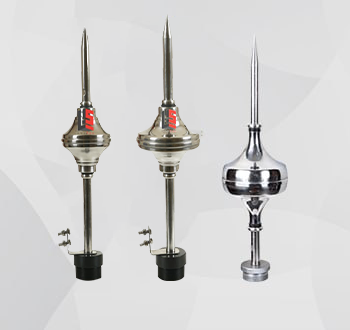
- Point Discharge Arresters (ESE Systems): Installed on tall buildings to divert lightning at the atmospheric level
Choosing the correct type depends on system size, installation environment, local lightning density, and regional regulations.
The Role of Grounding in Lightning Protection
No lightning arrester can perform effectively without a proper grounding system. The entire concept of surge diversion hinges on the ability to transfer excess voltage into the earth quickly and safely. An effective grounding system should:
- Have low resistance (typically less than 1 ohm)
- Be corrosion-resistant and long-lasting
- Be maintained and tested regularly
- Connect all metallic and electrical parts uniformly
Neglecting grounding is one of the most common and costly mistakes in solar installations. A well-designed lightning arrester combined with a faulty ground system is like having a parachute that doesn’t open.
Risks of Not Using Lightning Arresters in Solar Systems
Ignoring or postponing the installation of lightning arresters can result in serious consequences:
- System Downtime: Entire solar plants may be shut down for weeks during repair
- Equipment Failure: Inverters, batteries, and MPPT controllers are especially fragile
- Fire Hazards: Voltage surges can cause sparks, leading to fires in enclosed areas
- Data Loss: Some solar systems rely on real-time monitoring; surges can wipe out data
- Warranty Voids: Many manufacturers require surge protection for claims to be valid
Given these stakes, investing in a lightning protection system is not an option—it’s a necessity.
Best Practices for Integrating Lightning Arresters in Solar Installations
If you’re planning a solar setup or already have one installed, here are best practices for protection:
- Risk Assessment: Evaluate the strike probability in your region and site
- Choose Certified Devices: Always select IS/IEC-compliant arresters
- Layered Protection: Use both AC and DC surge protection for complete safety
- Regular Maintenance: Inspect SPDs, check grounding resistance, and replace worn parts
- Professional Installation: Always engage certified electrical engineers or specialists
Incorporating these steps ensures your solar energy system remains efficient and safe throughout its operational life.
Why Lightning Protection Is Critical in High-Risk Zones
LES India experiences a high frequency of lightning activity, especially during the monsoon months. Coastal cities like Chennai are particularly prone due to their geographical location. This makes lightning protection systems an essential part of solar infrastructure, not just for large commercial plants but also for residential and small-scale installations.
With the increasing push for green energy, the number of solar panels in cities like Chennai is skyrocketing. But this growth must be matched with equal investment in safety infrastructure, particularly lightning arresters. After all, clean energy should also be safe energy.
Choosing the Right Manufacturer Makes All the Difference
There’s no one-size-fits-all when it comes to lightning protection. From choosing the right arrester model to ensuring proper coordination between DC and AC systems, expertise is key. That’s why it’s essential to work with a specialist who understands both the technical and environmental aspects of lightning protection.
If you’re installing solar panels in a high-risk zone like Tamil Nadu, it’s best to consult with a trusted Lightning Arrester Manufacturer in Chennai who can provide certified, custom-designed solutions for your pro